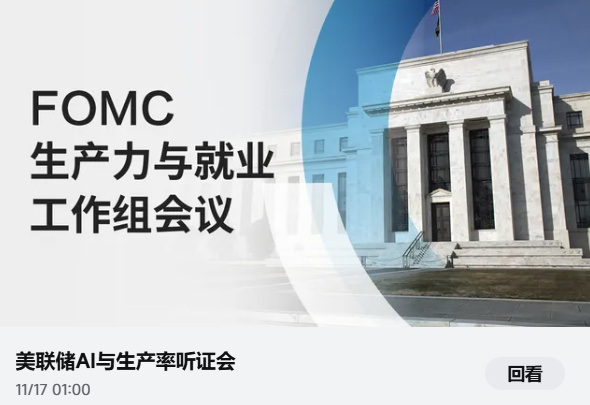

Is the Fed writing the script for an “AI bubble burst”?
Fed Chair Warsh admitted that they’ve started gaming out three possible outcomes for AI: a productivity boom, mass unemployment, and a bubble bursting. Translation: even the central bank is drawing up contingency plans for an “AI crash,” and you’re still asking me whether it’s time to buy the dip?
Let me break down just how absurd this is:
Warsh went into the most detail about the bubble-burst scenario: money gets poured in, returns fail to materialize, stocks fall first, then the economy slows and unemployment rises.
In 2026, several major cloud providers are pouring more than $700 billion into AI capital spending. It contributes to GDP, but the cost is ballooning debt and credit risk.
The numbers don’t lie: Nvidia’s price-to-earnings ratio has been slashed from 40 to 11, while CoreWeave’s CDS spread has surged to 12.89%. Financing costs have already made their move.
The funniest part? The Philly Semiconductor Index rose 8% last week, but hedge funds turned around and posted net selling for the second week in a row, mainly by opening new short positions. Talking bullish, trading bearish—an old tradition.
The Fed itself has said this is scenario analysis, not a forecast. So the real trading opportunity isn’t in picking a direction; it’s in volatility. Buy put spreads on SOXS, or just short a basket of highly leveraged AI hardware stocks, with a stop-loss if the Philly Semiconductor Index reclaims its previous high. Betting that “someone will bolt first” is a lot cheaper than betting on an “AI perpetual motion machine.” $SOXL $KORU $SNDK