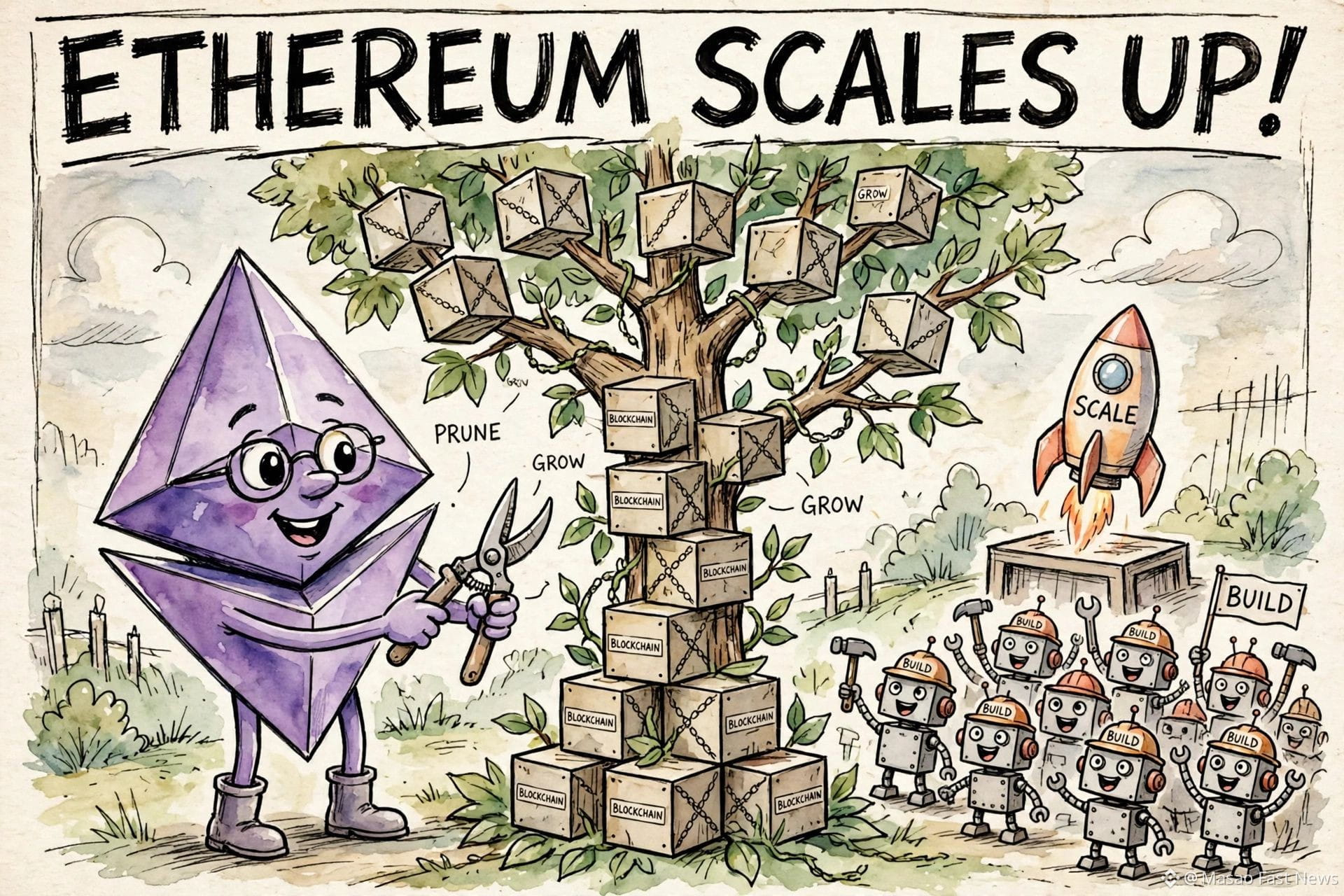
Vitalik: EIP-8037 will curb "state" bloat so Ethereum can scale
Vitalik Buterin has weighed in on EIP-8037 — a proposal to increase gas fees for creating new storage slots, contract code, and accounts, separating execution scaling from state data growth while keeping the network secure.
According to Vitalik, increasing the gas limit by 10× without EIP-8037 could cause annual state growth to balloon from around 110 GiB to as much as 1,100 GiB — making it increasingly difficult for nodes to keep up. The proposal sets a fee of 1,530 gas per byte of new state, aiming to keep growth at around 120 GiB per year.
Most core developers currently support giving applications time to fix compatibility issues before Glamsterdam goes live — an upgrade that was delayed after an audit found that EIP-8037 and EIP-8038 break some gas assumptions that existing contracts rely on. Vitalik also called for clearer communication about upcoming changes: the gas mechanism, state tree, blob structure, consensus algorithm, and transaction format — while noting that the consensus algorithm could change significantly over the next two years and older transaction types could gradually be phased out.
$ETH is trading around $1,812, up 1.08% over the past 24 hours, recovering in step with the market after the weekend drop.
Do you think increasing state creation fees will slow Ethereum down in the short term — or is this a necessary price to pay for the network to scale sustainably?