


The most painful keyword in crypto right now is liquidity.
More than 4% of the #USDT supply has already been drained in the fourth quarter, with roughly $10 billion leaving the market. Even with some signs of a bottom, it’s hard to declare that the broader market has bottomed based on the funds that remain. As liquidity continues to tighten, Aave has made a major move, prompting many to wonder: could this be the turning point DeFi has been waiting for?
✅ Proposal unanimously approved: Bitcoin can now be used as collateral to borrow
As early as November 9, the DAO of #AAVE unanimously approved a proposal to officially support using Bitcoin as collateral to borrow stablecoins.
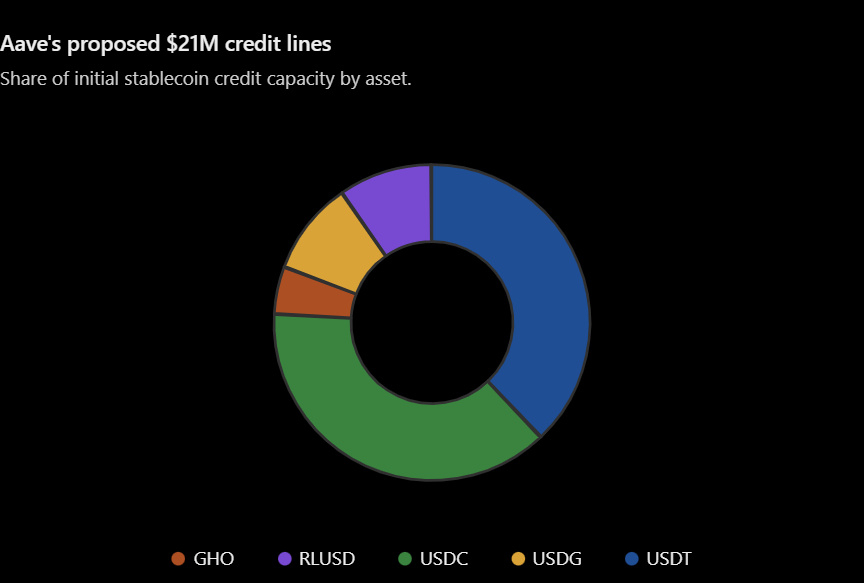
The project has set aside $21 million in credit market capacity for five major stablecoins. USDT and USDC are the main beneficiaries, receiving $8 million each and together accounting for nearly three-quarters of the allocation. The native stablecoin #GHO gets $1 million, while USDG and RLUSD split the remaining $4 million.
One particularly notable aspect is that the system is built on Aave V4 and developed by Babylon. There’s no need to wrap BTC or find a custodian—native Bitcoin can enter the lending pool directly. According to the team, the “hub-and-spoke” architecture keeps markets isolated, so problems in a new market are less likely to affect other assets.
📉 DeFi Lending Hits Rock Bottom, but Aave Defies the Trend
The on-chain lending business has been struggling lately.
According to Galaxy Research, crypto-backed lending overall fell by more than 16% in the second quarter. The contraction in DeFi lending was especially pronounced: in just a few months, the volume of active loans was cut in half. With markets looking volatile, people have been reluctant to put up assets as collateral to borrow.
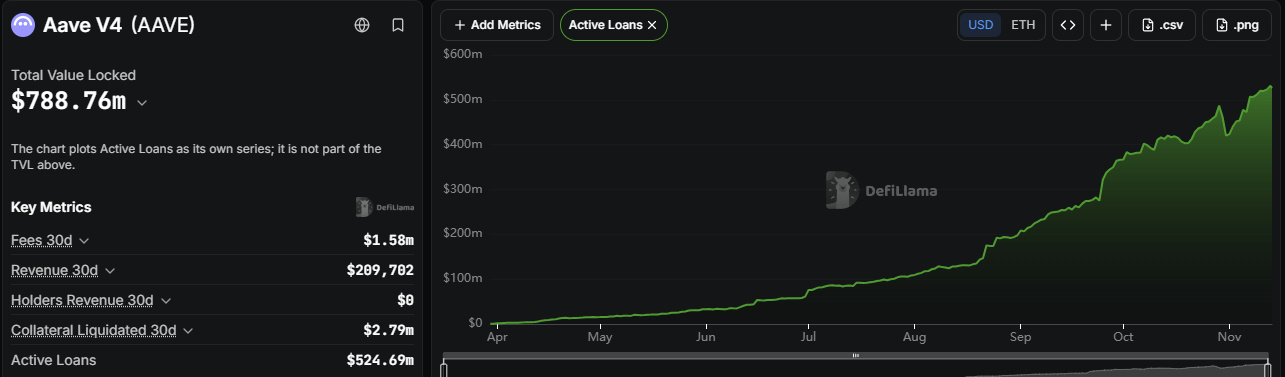
But Aave has charted a different course. Powered by V4, its active loans hit a record high, nearly doubling in the second quarter to reach $500 million. Building on this momentum, the team hopes to tap into an underdeveloped market by using Bitcoin as collateral.
The Bitcoin-backed lending market is still very small, with its estimated size amounting to just 0.24% of Bitcoin’s total market cap—leaving plenty of room to grow. If the platform can attract large Bitcoin holders to put up their assets as collateral, turning dormant BTC into on-chain liquidity, stablecoin circulation could also pick up.
⚠️ The Other Side of the Coin: The Leverage Risk
The upside looks appealing, but the risks shouldn’t be overlooked.
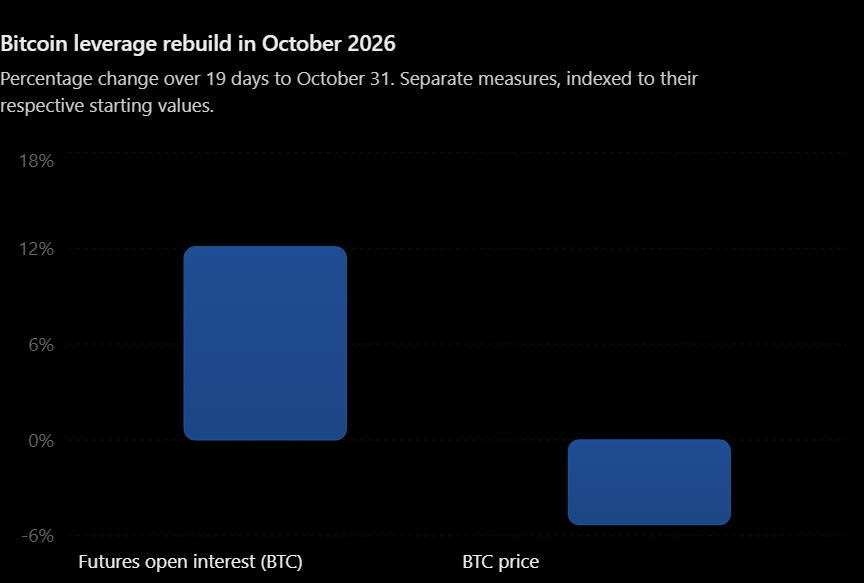
Many users take the stablecoins they borrow and immediately use them to trade crypto with leverage. A strange pattern has also emerged recently: Bitcoin’s price is falling, while open interest in futures is rising, suggesting that some traders are quietly piling on leverage. Similar situations have occurred several times in the past, and each ended with large-scale liquidations of long positions.

Opening up Bitcoin-backed lending would effectively add another route for taking on leverage. When markets swing sharply, cascading liquidations can deepen losses and amplify volatility across the market. And it’s important to note: this feature won’t create stablecoins out of thin air; it will simply put existing funds to work. To bring in genuinely new liquidity, the platform will also need to attract new depositors.
🤔 Could It Be DeFi’s Savior?
The crypto market is facing a liquidity crunch rarely seen in years. Stablecoin market capitalization continues to shrink, while DeFi’s total value locked keeps falling. Everyone is looking for new sources of capital.
Aave’s Bitcoin bet is based on a clear idea: tap the largest crypto asset by market cap and turn existing Bitcoin holdings into fresh liquidity for on-chain lending. If successful, it could spur stablecoin trading and revive dormant DeFi activity. But if speculative sentiment takes over, it could also amplify market swings.
Ultimately, this is just an experiment. Whether it can turn latent demand into real, additional liquidity remains to be seen—and the market will have to decide.
Reminder: The above is for market information only and does not constitute investment advice. Leveraged lending carries extremely high risk.