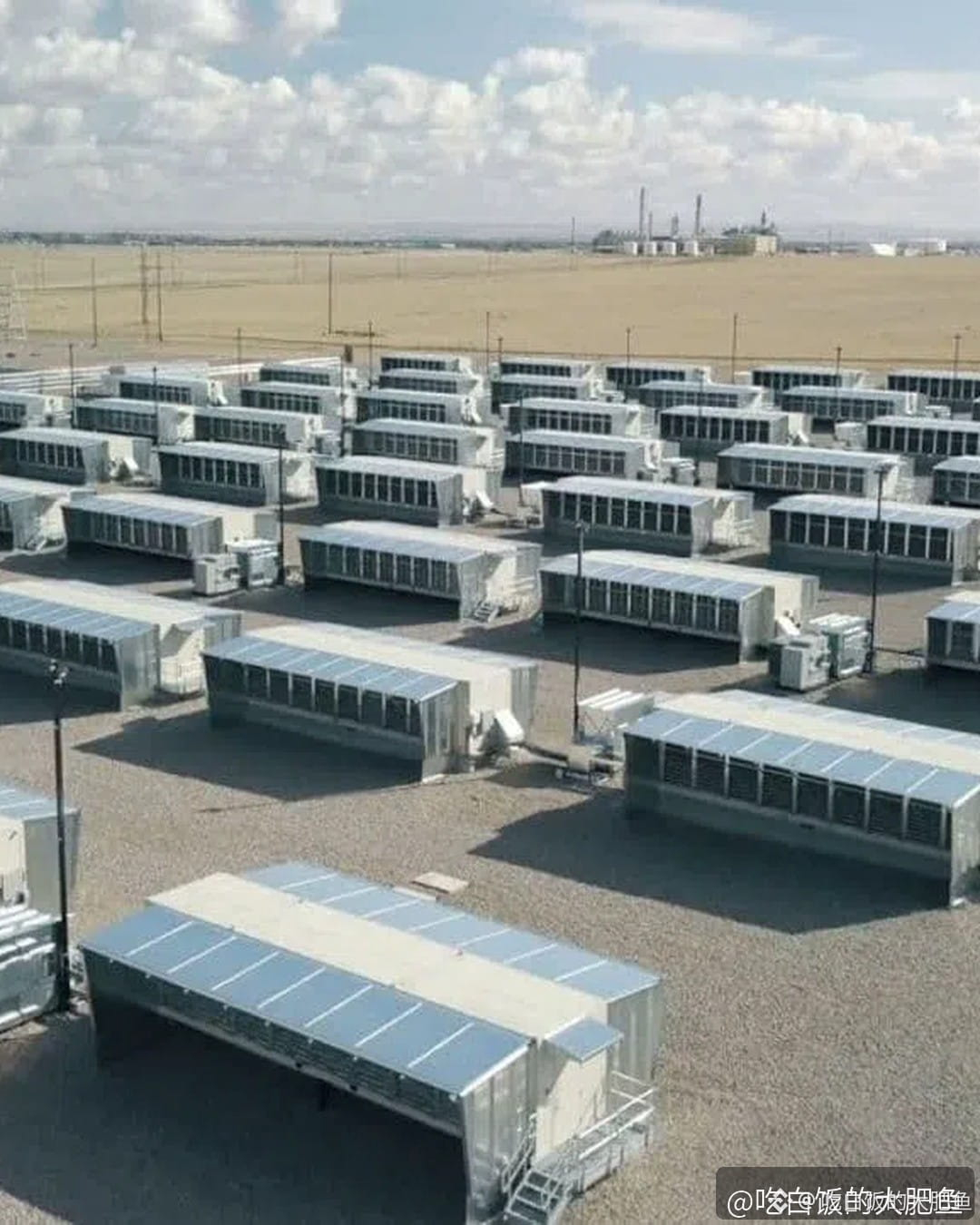
It reported $632 million in profit, and the stock rose—but not a cent of that came from mining. It was an unrealized gain on paper; the money actually banked came from selling coins 📉
MARA just reported Q3 results: revenue of $164.2 million, down 35% year over year; net income of about $632 million, including $885 million in accounting gains from the rising price of Bitcoin. Mining is becoming less profitable, so the company has simply changed its game plan.
In the six weeks after the quarter ended, MARA sold 13,597 $BTC at an average price of about $81,039, bringing in roughly $1.1 billion—equivalent to 40% of the 34,012 coins it held at the end of September, and more than six times the 2,247 coins it mined in the entire third quarter. It used $750 million to pay off its Bitcoin-backed loans, freeing up 17,477 pledged coins and reducing the share of its holdings pledged as collateral from 57% to under 5%.
It’s not the only one selling. Lookonchain estimates that 14 publicly listed companies sold a combined total of more than 108,000 BTC in 2026, with MARA and Riot accounting for more than half. MARA alone has already sold over 40,000 coins this year. The company said in its quarterly report that it plans to keep selling, with the proceeds going toward AI infrastructure, next year’s convertible note redemptions, and a $500 million buyback. CryptoQuant data also shows a sharp rise in outflows from miner wallets on November 8 and 9.
BTC is currently around $71,460, down 3.5% over the past 24 hours, with an intraday low of $71,113. The Fear & Greed Index is at 29.
This whale’s take: The role of miners is changing. Two years ago, MARA promised to hold every coin it mined; now it’s one of the market’s most aggressive sellers. Selling at $81,000 isn’t exactly selling too early, but for the market, coins held by miners have shifted from “locked up” to “supply.” With ETF outflows continuing, those two sources of selling pressure are colliding, which puts a discount on the potential height of any short-term rebound. Watch two signals: whether outflows from miner wallets continue, and whether hashrate holds steady after the difficulty adjustment.