On November 11, real-time quotes from five exchanges became available through an on-chain pipeline. Pyth became an NYSE-authorized distributor, bringing BQT top-of-book quotes and trades into the data marketplace, shortly after securing authorization to distribute Nasdaq real-time quotes. This isn’t just another market-data app; it’s the first time exchange order-book data has entered the oracle market. $BTC
BQT is the NYSE’s own real-time top-of-book quote data, covering its own market as well as American, Arca, National, and Texas—all U.S. equity venues under Intercontinental Exchange. The interesting part is that the data is distributed through Pyth, but ownership and pricing rights remain in the exchange’s hands. The distributor changed; the owner didn’t. $ZEC
That data marketplace only launched this April. It’s a venue where institutions sell data to one another at set prices. First-party data providers list their market data, and who can access it—and how much they pay—is governed by commercial contracts, not open-source sharing. No matter how many on-chain access points open up, the underlying price list is still in force. $XAU
The economics become clearer when you break them down. Market-data fees used to be spread across subscriptions to various terminals. Now there’s an additional on-chain distribution channel, but the payees haven’t changed: they’re still the exchanges and first-party data providers. Oracles collect a cut for delivery; the real toll stays at the source.
This matters most to the people building tokenized stocks and perpetuals. They’re not looking for cheaper prices; this compliant arrangement brings traditional market-data licensing fees, unchanged, into their products’ cost structures. It’s the same bill, just with an additional on-chain intermediary paying it.
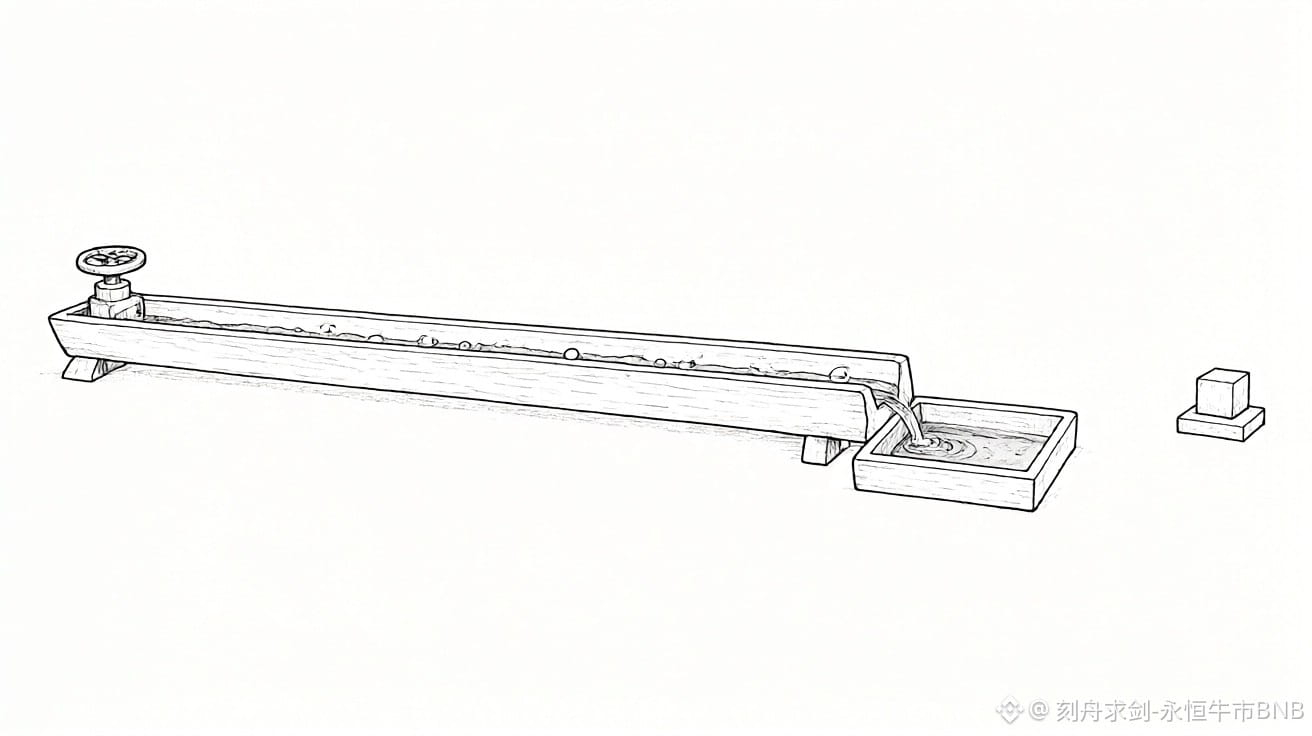
The pipeline can change, but the tollbooth isn’t going anywhere.
That’s the flow of money I’m watching. An additional on-chain data access point might sound like a victory for free, open access, but in reality, it just moves the toll window. Whose books the money ends up in hasn’t changed at all.
Personal opinion, not investment advice. You are responsible for your own gains and losses.
#Pyth数据市场接入纽交所实时行情