The same Bitcoin, but three publicly listed companies have written three completely opposite sets of books—and after looking them over, this whale has just one takeaway: hoarding coins isn’t really about conviction. It’s about cash flow.
Strive netted $509 million in the third quarter. Sounds impressive, but look under the hood and the picture changes: revenue was just $2.696 million, and it lost $36 million from operations. Nearly all its profit came from $533.7 million in unrealized gains as the Bitcoin it held appreciated. Then in October, it bought another 15,124 coins, bringing its holdings to 43,124. The higher Bitcoin climbs, the better its books look—but it hasn’t gained a cent in cash.
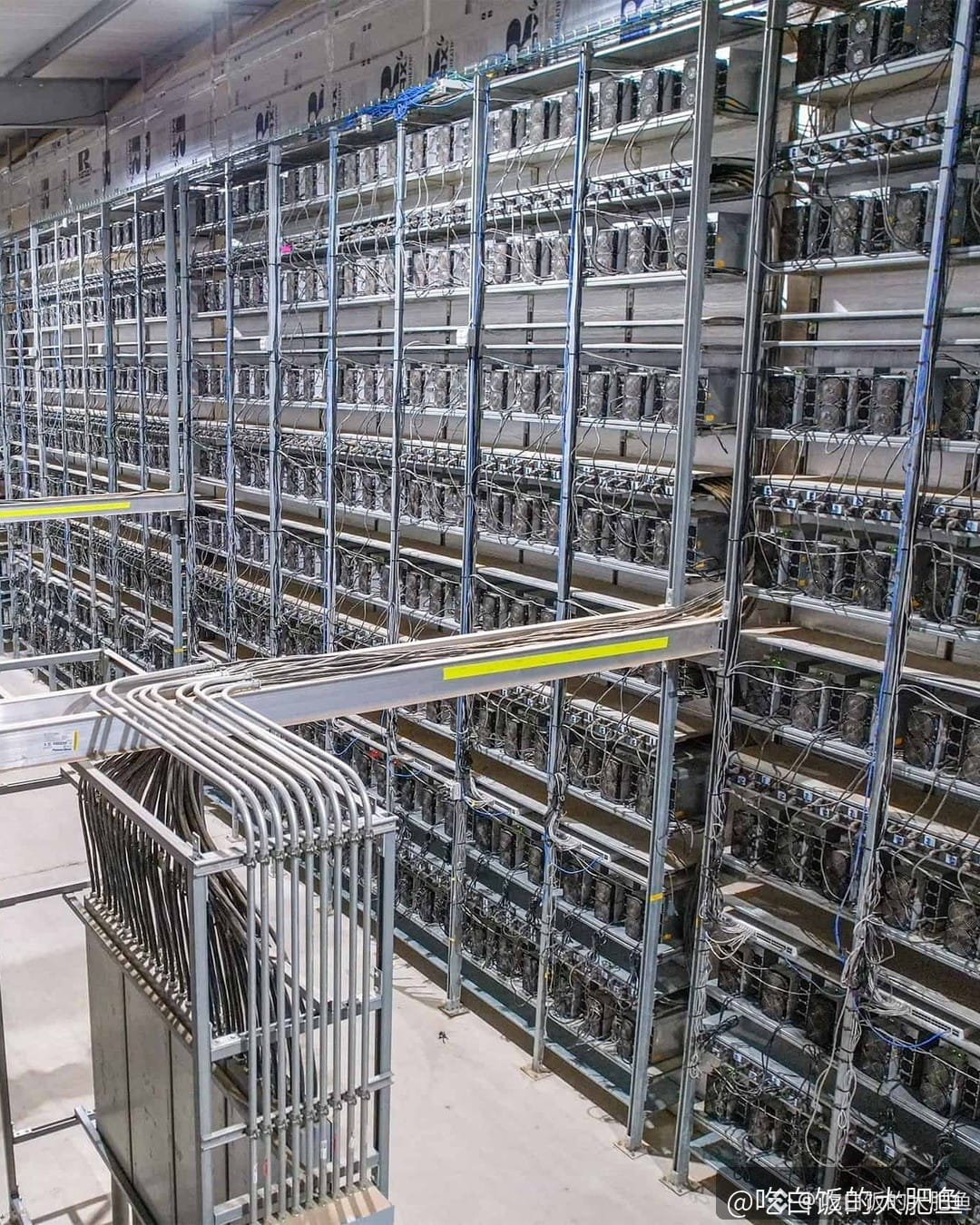
Bitdeer ($BTDR) is the exact opposite: last week it mined 258.6 Bitcoin and sold every single one. It has zero Bitcoin on its books. It’s not that it can’t hold on to the coins; it chooses to treat them as a product, converting them into cash as soon as they’re mined and using that cash to pay electricity bills and expand its AI computing capacity. Production has also fallen for two weeks in a row, and at the end of September it had just 47 coins on its books.
BitFuFu sits somewhere in between: it mined just 137 coins in October, down 18% from September. Network difficulty rose 11.8%, yet it still increased its holdings from 1,388 coins to 1,454. Production fell, but it kept accumulating.
This whale’s take: none of the three is wrong—the mistake is judging them by the same yardstick. Strive is betting that Bitcoin will keep rising; its reported profits are its story. Bitdeer is betting on steady cash flow, so Bitcoin’s price swings matter much less to it. BitFuFu is betting that the difficulty peak will pass, so it’s accumulating while it waits. $BTC is now hovering around $74,000, and once the US October CPI is released at 21:30 tonight, the odds chart for a December rate hike will have to be redrawn. Then we’ll see whose books crack first.