Revenue fell 35%, yet net profit jumped fivefold—MARA’s earnings had little to do with mining.
MARA Holdings ($MARA ) released its Q3 earnings after the market closed on November 9, Eastern Time: revenue was $164.2 million, down 35% year over year from $252.4 million in the same period last year; net profit was about $634 million, compared with $123.1 million a year earlier, and earnings per share were $1.28.
Where did the profit come from? About $885 million of the reported earnings came from non-cash fair-value gains on digital assets. Mining itself is shrinking: the company mined 2,247 BTC in the third quarter, up 5% year over year, but the realized price fell to $71,688, down 37%, dragging block reward revenue down by 37% as well.
There was another major move after the earnings report: after quarter-end, the company sold 13,597 BTC, raising about $1.1 billion. It used $750 million to repay all of its Bitcoin-backed loans—in effect, swapping coins for a debt-free balance sheet.
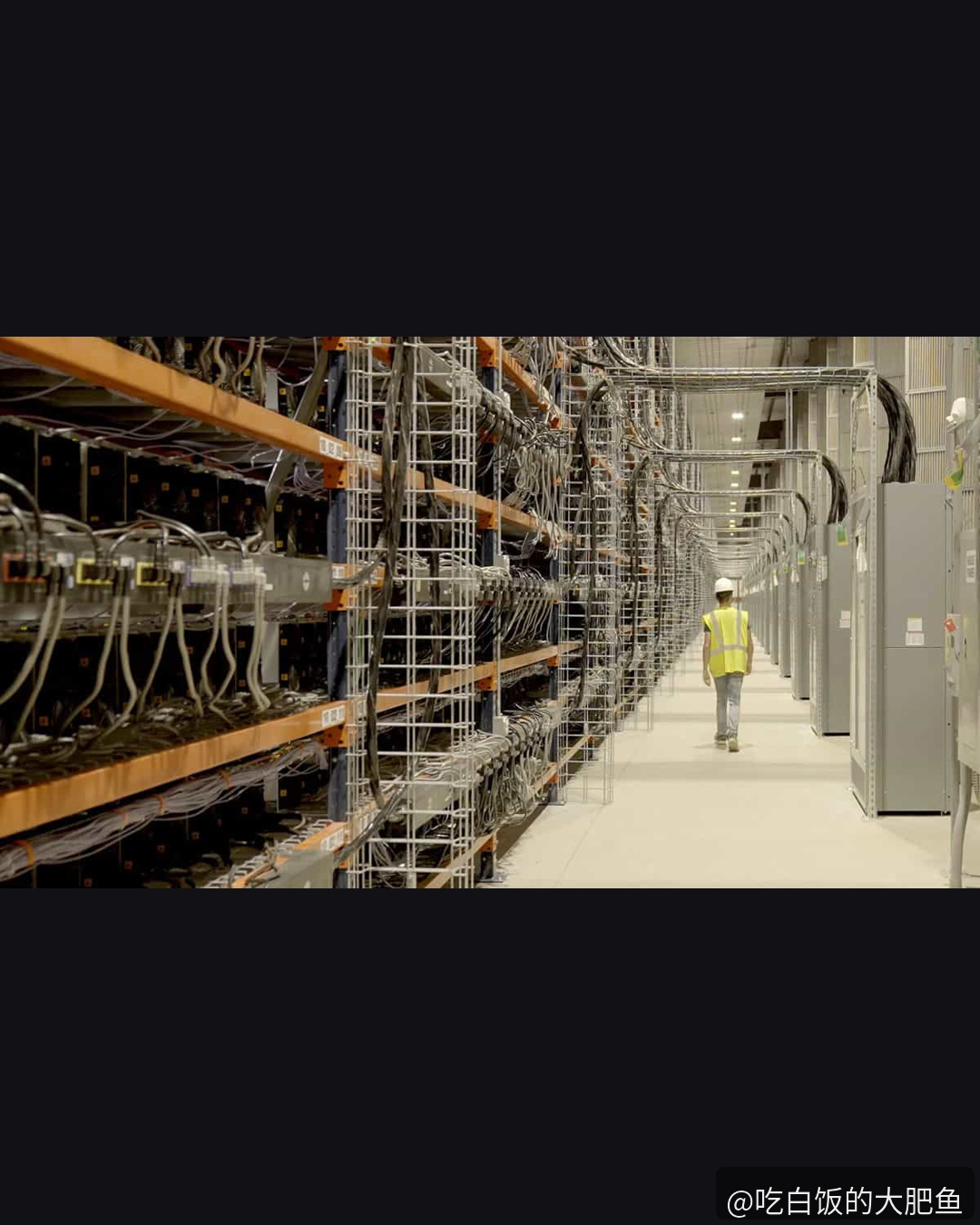
My take: The key point in this earnings report isn’t how much MARA made; it’s that the company is changing course. It has 1.9 gigawatts of energized capacity across 19 data centers, with a target of 4.8 gigawatts, and the Federal Energy Regulatory Commission has just approved its acquisition of Long Ridge. Mining revenue is only a small part of the story; the rest hinges on whether AI computing demand can fill the gap. Three things to watch: after selling coins to pay down debt, the balance sheet is cleaner—but can computing orders keep up? Operating cash flow was still negative by $643 million over nine months, a reminder that accounting profit and actual cash flow are two different things. The stock closed at $6.64 on November 9, not far above its 52-week low of $5.69 on November 5, and is still down about 26% year to date. Against a backdrop of $BTC fluctuating around $75,000, mining companies’ earnings are essentially leveraged readings of the coin price. For MARA, the question now is whether its transformation can outpace the price of Bitcoin. First, it needs to secure its bread and butter; we can revisit the AI order book after the earnings call.
MARA Holdings ($MARA ) released its Q3 earnings after the market closed on November 9, Eastern Time: revenue was $164.2 million, down 35% year over year from $252.4 million in the same period last year; net profit was about $634 million, compared with $123.1 million a year earlier, and earnings per share were $1.28.
Where did the profit come from? About $885 million of the reported earnings came from non-cash fair-value gains on digital assets. Mining itself is shrinking: the company mined 2,247 BTC in the third quarter, up 5% year over year, but the realized price fell to $71,688, down 37%, dragging block reward revenue down by 37% as well.
There was another major move after the earnings report: after quarter-end, the company sold 13,597 BTC, raising about $1.1 billion. It used $750 million to repay all of its Bitcoin-backed loans—in effect, swapping coins for a debt-free balance sheet.
My take: The key point in this earnings report isn’t how much MARA made; it’s that the company is changing course. It has 1.9 gigawatts of energized capacity across 19 data centers, with a target of 4.8 gigawatts, and the Federal Energy Regulatory Commission has just approved its acquisition of Long Ridge. Mining revenue is only a small part of the story; the rest hinges on whether AI computing demand can fill the gap. Three things to watch: after selling coins to pay down debt, the balance sheet is cleaner—but can computing orders keep up? Operating cash flow was still negative by $643 million over nine months, a reminder that accounting profit and actual cash flow are two different things. The stock closed at $6.64 on November 9, not far above its 52-week low of $5.69 on November 5, and is still down about 26% year to date. Against a backdrop of $BTC fluctuating around $75,000, mining companies’ earnings are essentially leveraged readings of the coin price. For MARA, the question now is whether its transformation can outpace the price of Bitcoin. First, it needs to secure its bread and butter; we can revisit the AI order book after the earnings call.