
SaintXLucky
587 Posts
SaintXLucky
 Square Verified+
Report
Block User
Appropriate Risk, Appropriate Returns: Conservative Investors, Twitter X: SaintXLucky, | Co-founder of the Galaxy Community。
Open Trade
Frequent Trader
2.2 Years
582 Following
37.5K+ Followers
14.6K+ Liked
Posts
Portfolio
All
Quotes
Live
PINNED
·
--
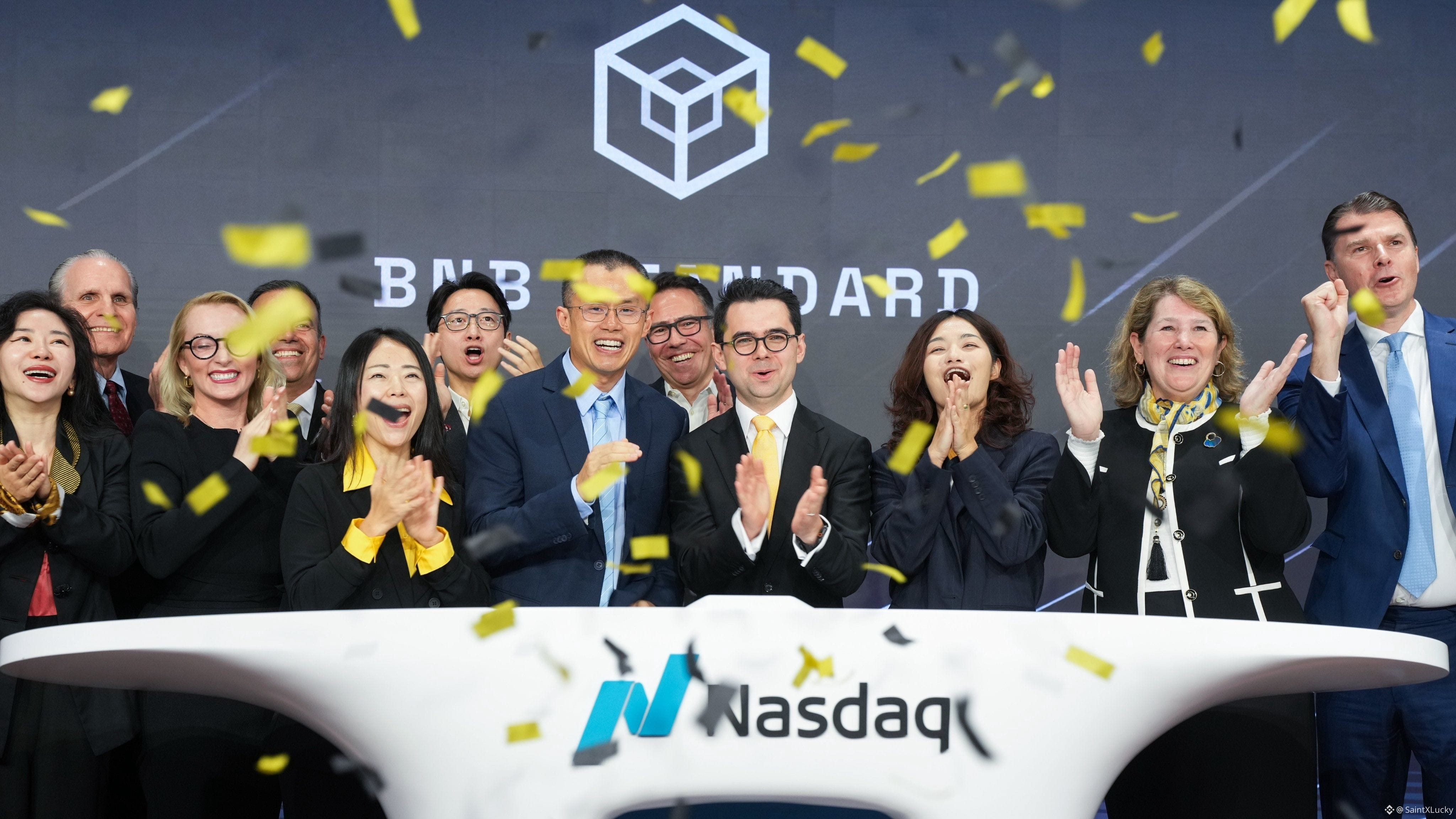
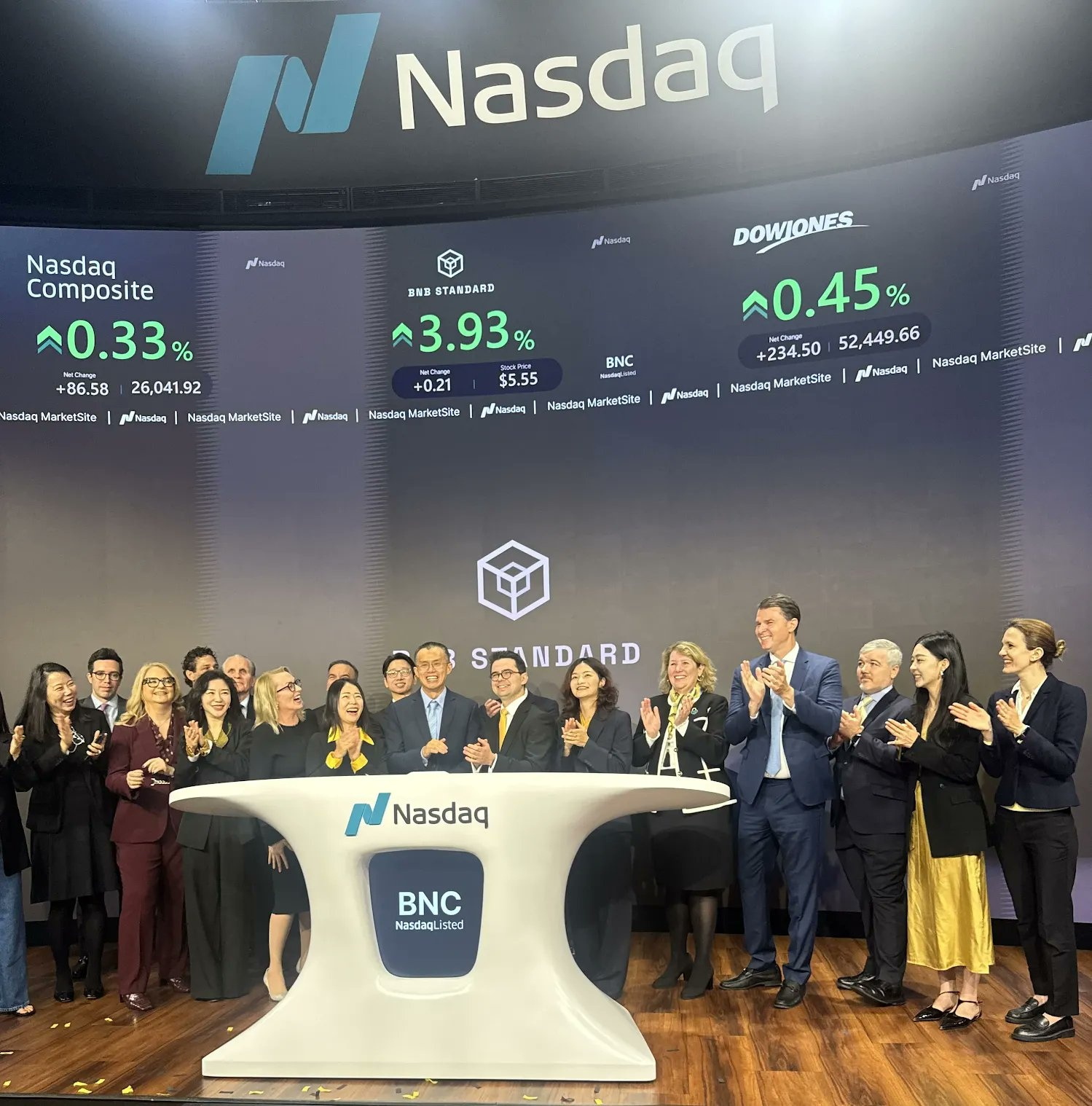
🔥 BOSS|Arriving with capital ambitions
━━━━━━━━━━━━━━
A community-building movement focused on capital markets
Jointly launched by the grassroots BNB Chain community
“BNC On-Chain Board of Directors” is the vision
Bringing the community onto the capital stage is the ambition
◆ Understand BOSS, and see the vision of a group of people
━━━━━━━━━━━━━━
A community-building movement focused on capital markets
Jointly launched by the grassroots BNB Chain community
“BNC On-Chain Board of Directors” is the vision
Bringing the community onto the capital stage is the ambition
◆ Understand BOSS, and see the vision of a group of people
1
5
1.2k
PINNED
·
--
Verified
Amid the sharp downturn—and this is not investment advice—let’s look at the positive developments:
1. Zcash($ZEC )—The most direct technical catalyst
NU7 mainnet launch (activation on November 5–6). Block times will be reduced from 75 seconds to 25 seconds (about 3× faster), speeding up privacy-payment confirmations. The Network Sustainability Mechanism will be activated: 60% of transaction fees will go into a reserve (and not into circulation) to fund miner rewards in the future (starting around 2031). It will increase the capacity for private transactions and reduce the burden of wallet synchronization, while retiring the old Sprout pool.
2. Hyperliquid($HYPE )—Institutional and regulatory progress
Hyperliquid Strategies, a publicly traded HYPE treasury company, has filed an application with the CFTC to register as a futures commission merchant (FCM), aiming to serve the HIP-3 perpetuals market for U.S. users. It also reported quarterly revenue of about $13.3 million, with net profit significantly boosted by unrealized gains on HYPE. Earlier, a partnership involving ICE (the parent company of the New York Stock Exchange) helped fuel expectations that Hyperliquid infrastructure could enter the regulated U.S. perpetuals market.
This is progress toward “regulatory compliance and institutional adoption,” supporting long-term demand for HYPE.
3. Sui($SUI )—A major consumer-facing on-ramp
Samsung Wallet will support USDC on the Sui network for U.S. Galaxy users, across about 82 million compatible devices, with the rollout expected in November. A key feature is gasless stablecoin transfers: users won’t need to hold SUI to transfer USDC.
This is a strong signal that Sui is gaining traction in payments and consumer use cases, and could support stablecoin liquidity and real-world ecosystem usage.
4. Other specific project developments worth watching
ApeCoin / ApeChain (APE): Fully migrating from LayerZero to Chainlink CCIP as its official cross-chain standard (covering the Yuga Labs ecosystem, including BAYC-related projects). APE and USDC will be upgraded to the Chainlink Cross-Chain Token standard, improving cross-chain security and interoperability. API3: Emissions have ended, and a proposal would cap supply at 200 million tokens while moving governance to Snapshot. Canton Coin (CC): The registration statement for the first U.S. ETF tracking a Canton Network coin is expected to take effect on November 13; the network continues to make progress in institutional RWA and settlement use cases. Polygon (POL): A hard-fork proposal would return about 70 million frozen POL (worth approximately $6.5 million) to affected parties, including Binance and Polymarket.

1.7k
43
123
1.7k
·
--

橙子Joyce
·
--
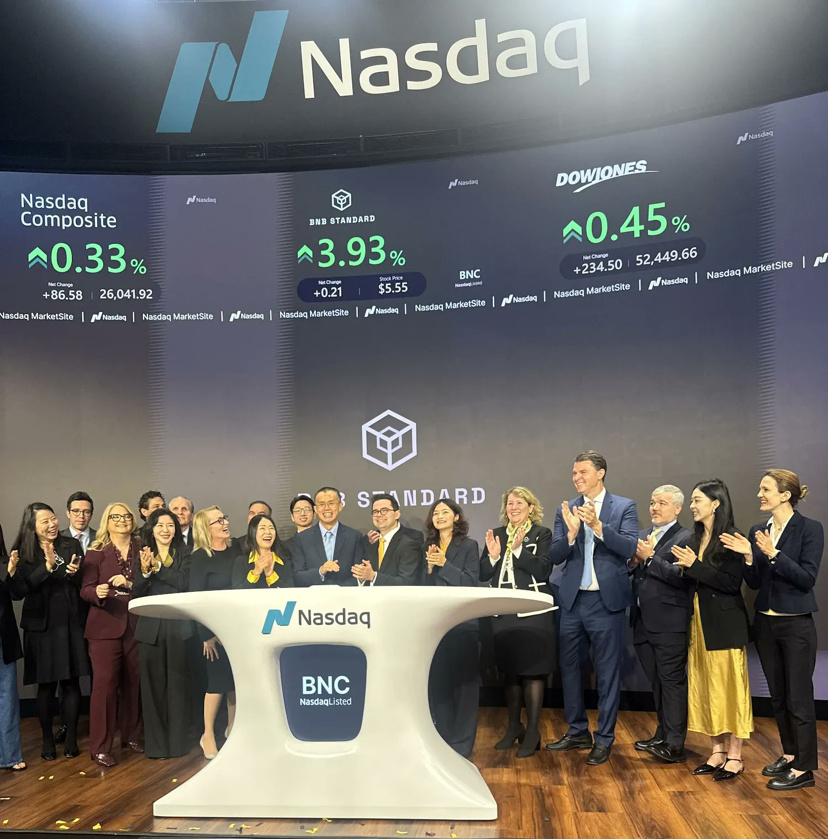
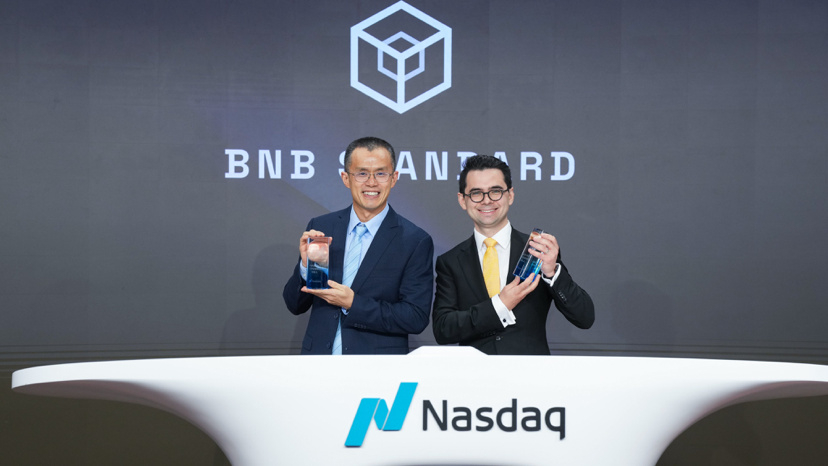
🔥 BOSS|Arriving with capital ambitions
━━━━━━━━━━━━━━
A community-building movement focused on capital markets
Jointly launched by the grassroots BNB Chain community
“BNC On-Chain Board of Directors” is the vision
Bringing the community onto the capital stage is the ambition
◆ Understand BOSS, and see the vision of a group of people
━━━━━━━━━━━━━━
A community-building movement focused on capital markets
Jointly launched by the grassroots BNB Chain community
“BNC On-Chain Board of Directors” is the vision
Bringing the community onto the capital stage is the ambition
◆ Understand BOSS, and see the vision of a group of people
2
233
·
--

紫藤Sofi
·
--
Red envelopes 🧧🧧 are waiting for you
Jensen Huang has been trending over the past couple of days, sparking heated discussion:
His private life is a matter of morals; what really matters to the market is whether this investigation will uncover hard evidence related to computing power, chip restrictions, or national security.
Jensen Huang has been trending over the past couple of days, sparking heated discussion:
His private life is a matter of morals; what really matters to the market is whether this investigation will uncover hard evidence related to computing power, chip restrictions, or national security.

1
128
·
--
@ENTRY HUNTER⁷⁸⁹
@ENTRY HUNTER⁷⁸⁹

ENTRY HUNTER⁷⁸⁹
·
--
HAVE a Great Weekend !
THANKS ALL
CLAIM REWARD !!
JOIN GROUPCHAT ..
$HYPE
THANKS ALL
CLAIM REWARD !!
JOIN GROUPCHAT ..
$HYPE

120
·
--

远方1688BNB
·
--
#DeepSeekbug
The process of navigating life is, in essence, a continual effort to reshape the limits of what you can endure. When you’ve seen more of the world and weathered deeper hardships, your psychological threshold rises accordingly. Things that once kept you awake all night and made you feel as though your world was falling apart may, years later, seem like nothing more than gentle ripples in a vast ocean.
The process of navigating life is, in essence, a continual effort to reshape the limits of what you can endure. When you’ve seen more of the world and weathered deeper hardships, your psychological threshold rises accordingly. Things that once kept you awake all night and made you feel as though your world was falling apart may, years later, seem like nothing more than gentle ripples in a vast ocean.

233
·
--

静静Emily
·
--
[Ended] 🎙️ Is it time to enter Bitcoin now?
8.7k listens
1
167
·
--

Anna-汤圆
·
--
[Replay] 🎙️ Let's talk about whether we're in a bull or bear market right now
02 h 11 m 04 s · 6.5k listens
2
189
·
--

奋斗Hustle1688
·
--
[Replay] 🎙️ Building bnb and √: What Is an Iron Army?
02 h 40 m 35 s · 4.8k listens
1
235
·
--
🎙️ Let's talk about whether we're in a bull or bear market right now
End
02 h 11 m 04 s
6.3k
22
18
·
--
🎙️ Building BNB and √—Let’s talk about what makes an iron army.
End
02 h 40 m 35 s
4.6k
7
16
·
--
Everyone is welcome to tune in to the beautiful woman's livestream when the time comes.
Everyone is welcome to tune in to the beautiful woman's livestream when the time comes.

幸运雨Rainny
·
--
✨ Debut Livestream Preview · Lucky Rain Rainny
⏰ November 10, 18:00–20:00
Market insights, thoughtful discussions, and a leisurely chat about the vast world of Web3 🌙
Looking forward to seeing you all in the livestream
⏰ November 10, 18:00–20:00
Market insights, thoughtful discussions, and a leisurely chat about the vast world of Web3 🌙
Looking forward to seeing you all in the livestream

1
464
·
--
Democrats flipped multiple Senate seats in traditionally red states (Texas, Kansas, South Carolina, Iowa, Ohio, etc.) and won a House majority, ending Republican control of Congress. This is seen as a strong backlash against Trump's agenda.
Key regulatory committees may change leadership: Elizabeth Warren is expected to become chair of the Senate Banking Committee, while Maxine Waters may retake the chair of the House Financial Services Committee. Both have long been critical of crypto, increasing the likelihood of future oversight hearings and investigations into crypto businesses linked to the Trump family.
Advancing the CLARITY Act (Crypto Market Structure Act) has become much more difficult. The bill previously failed in a Senate procedural vote, and it will be even harder to advance an industry-friendly version in the new Congress; Democrats may push for a version that places greater emphasis on investor protection and conflict-of-interest reviews. Regulatory certainty is likely to decline in the short term, while rulemaking may become stricter over the longer term (with the SEC/CFTC continuing to advance it through administrative channels).
Core thesis:
The negative impact is concentrated in political tokens: assets associated with Trump and his family ($TRUMP , $WLFI , etc.) are “policy assets,” and the Republican loss directly undermines their narrative and demand.
Major cryptocurrencies are more like “macro assets”: BTC/ETH and others have partly decoupled from politics, rebounding after short-term volatility and reflecting the market's increasing maturity. Events such as the Binance hack have a greater impact on prices.
Medium- to long-term risks: tighter regulation and legislative gridlock could constrain institutional investment and the rollout of innovative projects; however, areas with established pathways, such as stablecoins (e.g., those related to the GENIUS Act), are relatively independent. The Trump administration may still pursue deregulation at the executive level, creating a “Congress vs. executive branch” tug-of-war.
Summary and points to watch
The negative impact of the Republican loss on Web3 is mainly reflected in a less favorable legislative environment and increased oversight pressure, rather than a blanket “bear-market switch.” Political meme assets are the most directly and severely affected; major cryptocurrencies such as #BTC and $ETH have shown resilience in the short term.
Points to watch going forward include whether the lame-duck session can salvage the CLARITY Act, hearings under Warren/Waters, the pace of SEC/CFTC rulemaking, and whether projects linked to the Trump family face formal investigations. The crypto market's pricing of political events has become more differentiated, so it is advisable to focus on fundamentals and macroeconomic factors rather than a single election result.
358
·
--
$UNI (Uniswap)
Short-term momentum has strengthened, with a clear rebound on November 4 (+5% or more), increased trading volume, and a move above some short-term moving averages. The short-term technical outlook is bullish (bullish bias on the 4-hour/daily charts), but price faces resistance at $7.65–7.93 (including the area around the 50-day moving average). It is still down significantly over the past 30 days, indicating that the medium-term recovery is not yet complete. As a leading DEX, trading volume and ecosystem activity are its core drivers. A breakout above resistance could extend the rebound; otherwise, price may retest support at $7.1–7.3.
$ONDO (Ondo Finance)
A core asset in the RWA sector, recently benefiting from the expansion of tokenized stock/ETF products, partnerships with NEAR and others, and news such as the launch of BlackRock-related strategy products. The price has rebounded near $0.41, with positive 24-hour performance. After a medium-term pullback from its highs, it has stabilized, with a market capitalization of around $2 billion. Long-term prospects hinge on RWA growth and institutional adoption, but the token itself is primarily governance-focused, so actual TVL and revenue conversion warrant attention.
$NEAR (NEAR Protocol)
Its partnership with Ondo is enabling access to tokenized U.S. stocks/ETFs in the NEAR ecosystem (via 1Click Swap and other products). This, together with governance proposals (such as reducing inflation), provides positive catalysts. The price is trading around $4 and has followed the market rebound over the past 24 hours. The ecosystem focuses on chain abstraction and cross-chain functionality, and Intents has accumulated substantial trading volume. Its performance is relatively neutral and stable compared with other L1s, making it worth watching for progress in RWA adoption.
#LINK (Chainlink)
As an oracle and cross-chain infrastructure provider, it plays a role in data standards and interoperability within the RWA narrative (including through partnerships with Ondo and others). Recent institutional partnership news has provided support, and its price action has been relatively steady. In the long term, it stands to benefit from data demand driven by the growth of tokenized assets, though its price typically has less upside volatility than purely narrative-driven assets.
#SEI
The weakest performer. It is currently around $0.048–0.049, with a slight 24-hour rebound, but it is down more than 30% over the past 30 days and remains far below its all-time high. The technical outlook is bearish (most moving averages are under pressure, and the RSI is low), while trading volume is average. As an L1 focused on trading, it needs ecosystem applications to emerge or market risk appetite to recover before its downtrend can reverse. The short-term rebound is more likely an oversold recovery; medium-term pressure remains significant.
Summary: Most have followed the short-term rebound. UNI and ONDO are relatively active, while SEI is the weakest. It is recommended to consider BTC price action, confirm with trading volume, and trade around specific resistance/support levels while managing position sizes. This is an analysis based on publicly available data only and does not constitute investment advice.

355
·
--
Verified

Article
Introduction to INTW, Intel (INTC)'s Daily 2x Leveraged Long ETF$INTW (GraniteShares 2x Long INTC Daily ETF) is a daily 2x leveraged long ETF targeting Intel (INTC). It uses derivatives such as swaps to provide approximately 200% exposure to the daily gains and losses of $INTC , with daily resets. The expense ratio is about 1.50%–1.55%. The current price is about $5.87 (closing price on November 4, 2026, down about 7.4% that day).
Recent market performance
The performance of #INTW is entirely driven by #INTC and amplified by leverage, resulting in volatility far exceeding that of the underlying stock.
Recent plunge: INTC fell sharply after its Q3 earnings report (down about 28% in a single day, then continuing to slide to around $58), and INTW collapsed in tandem. On October 30, it fell more than 57% in a single day, rapidly dropping from around $17–19 before the earnings report to its current range of $5–6. It is down about 80% over the past month, with a significant pullback over the past five trading days as well.
Introduction to INTW, Intel (INTC)'s Daily 2x Leveraged Long ETF
$INTW (GraniteShares 2x Long INTC Daily ETF) is a daily 2x leveraged long ETF targeting Intel (INTC). It uses derivatives such as swaps to provide approximately 200% exposure to the daily gains and losses of $INTC , with daily resets. The expense ratio is about 1.50%–1.55%. The current price is about $5.87 (closing price on November 4, 2026, down about 7.4% that day).
Recent market performance
The performance of #INTW is entirely driven by #INTC and amplified by leverage, resulting in volatility far exceeding that of the underlying stock.
Recent plunge: INTC fell sharply after its Q3 earnings report (down about 28% in a single day, then continuing to slide to around $58), and INTW collapsed in tandem. On October 30, it fell more than 57% in a single day, rapidly dropping from around $17–19 before the earnings report to its current range of $5–6. It is down about 80% over the past month, with a significant pullback over the past five trading days as well.
2
3
14
1.5k
·
--
$NEAR Rebound Potential Assessment
A short-term technical rebound is possible, but its strength and staying power are uncertain, and the odds are not particularly high. Oversold conditions could trigger a bounce, but selling pressure still outweighs buying pressure, trading volume is shrinking, and there is no confirmation of strong buying. Most short-term analyses point to continued weak consolidation or another test of support rather than an immediate strong reversal.
If the broader market (BTC, etc.) stabilizes or a positive catalyst emerges, the odds of a rebound will increase. Otherwise, prices are more likely to fluctuate around support or continue falling first.
There is still fundamental support over the medium to long term: high NEAR Intents trading volume (about $10.4 billion in Q3), fee buybacks, links to indexes/ETFs such as Bitwise, a proposal to reduce issuance (gradually from 2.5% to 1.6%), developments related to AI and privacy, and listings on exchanges such as Gemini. These factors are favorable over the medium to long term, but short-term prices are still driven mainly by market sentiment and technical factors.
ETF/ETP inflows have shifted from rapid accumulation to a slower pace. There are occasional net redemptions, indicating institutional interest remains, but appetite for chasing prices has declined; inflow momentum has weakened after the price pullback;
Strategic holdings (such as SVRN) remain high, with a continued accumulation target and a long-term bullish outlook; selling pressure is low;
On-chain whales are net sellers, mainly as short-term speculators exit, in line with the price decline;
Protocol buybacks continue, providing structural buying support and positively affecting supply;
The October index rebalancing adds a small amount of passive capital;
Overall assessment:
Institutional holdings are still on a net-increase trajectory (especially through the Bitwise ecosystem and SVRN), but the pace has shifted from an “explosive growth phase” to a “consolidation phase.” After the sharp price pullback, incremental institutional buying has weakened, and in the short term activity consists mostly of existing holders.
This diverges from on-chain activity (high Intents volume): usage is strong, but short-term outflow pressure at the token level is greater.
Points to watch: whether weekly NRR net inflows turn positive again, progress on the Grayscale ETF, whether SVRN continues to add to its holdings, and whether whales stop being net sellers after prices stabilize.
Summary: The past few days have clearly been a pullback phase. A short-term rebound is “possible, but not highly likely.” First, watch whether support at $3.90–$4.00 holds and is accompanied by a recovery in volume. A break below that level would increase risk; if prices rebound and hold above $4.30, reassess whether the outlook is becoming more positive. The crypto market is highly volatile. The above is based solely on publicly available market data and technical analysis and does not constitute investment advice. Make decisions based on your own risk tolerance and monitor real-time data.

6
12
399
·
--
A summary of the positive news from the past few days:
#INIT (Initia), L1 & Rollups resume operations + deploy an independently audited MoveVM patch, ★★★★. Operations are explicitly scheduled to resume on November 2. The patch isolates attackers’ remaining fake balances and strengthens security measures (without rolling back transaction history). Supported stablecoins/assets will be restored, and the DEX will rebalance after a brief pause. This is a positive operational catalyst: “back online after resolving the issue.”
$BNB , Binance plans to release a full Proof of Reserves (PoR) report; aims to resume withdrawals, ★★★☆. Binance’s co-CEO previously said the company aims to resume withdrawals before November 1 and plans to release a full PoR report on November 2. Following recent security incidents, a positive PoR report and resumed withdrawals could directly boost market confidence, especially in the BNB ecosystem.
$SOL , related to Solana Summit India 2026 (Mumbai), ★★☆. A one-day event on November 2, focused on developers, founders, and investors. It may bring ecosystem updates or partnership announcements, but as a conference, its immediate price impact is usually limited.
Other events worth watching
Conferences/ecosystem events: Ethereum Cypherpunk Congress #3 (Mumbai), the launch of Hong Kong FinTech Week, and events related to India Blockchain Week. These are more about sentiment and potential announcement catalysts, offering indirect support for the ETH and SOL ecosystems.
Small-project updates: Some smaller projects have product launches, AMAs, or airdrop registration deadlines (such as the Krown Network AMA and launches of some shops/tools), but their impact is limited.
Votes/migrations: AKT’s Solana migration vote deadline; POLY Protocol V2 migration (tentative).
“False positives” or risk events to watch
$BTW (Bitway): Approximately 101.6 million tokens will be unlocked (worth around $100 million or more, representing a relatively large share of the circulating supply). Token unlocks usually bring selling pressure, so this is a supply-increase risk rather than positive news.
Other small unlocks (STO, OPN, etc.) are limited in scale and have less impact.
Summary and reminder
The clearest positive catalysts are INIT (network recovery + security upgrade) and BNB (Binance PoR + progress on withdrawals).
Overall, the biggest potential volatility may come around the U.S. midterm elections on November 3.
Sources include official project announcements, unlock trackers such as Tokenomist/DefiLlama, and crypto event calendars. This is not investment advice; verify information independently and manage risk.

3
3
507
·
--
🧧🎁🌹🧧🎁🌹
10.30 Market Outlook:
1. Macro and broader market influences (highest priority)
Bank of Japan (BOJ) interest rate decision + Governor’s press conference
This is tomorrow’s most important macro event. Changes in yen liquidity will directly affect global risk assets, including crypto. A dovish stance would be positive for BTC/ETH and altcoins overall; a more hawkish stance could trigger volatility.
Coinbase earnings
Sentiment toward exchanges may be affected, potentially spilling over to exchange tokens such as BNB, OKB, and HTX, as well as the broader trading-volume narrative.
BTC/ETH options expiry (a large expiry on Deribit) could amplify short-term volatility.
2. Coins to watch and potential catalysts
#HYPE The positive afterglow from today’s ICE + Trade.xyz partnership news continues, with high market interest and a bullish tilt. Keep watching for further developments in the U.S. regulatory-compliance narrative.
#ONDO / The official launch of DTCC’s tokenization services is supporting sentiment around RWA. Ondo’s participation in the ecosystem is neutral-to-bullish for the RWA sector.
#SUI Recent developments include the integration of gold-bar token XAUa. A small unlock is scheduled for November 1; the neutral unlock volume is limited (about 0.3%).
#LINK Institutional partnerships related to Chainlink and the ongoing Link:NYC event keep the institutional narrative neutral-to-bullish.
#XRP , The Swell 2026 conference has just concluded. Executive outlooks and lingering conference buzz may provide support; overall sentiment is neutral.
3. Other points worth watching
Polygon (MATIC/POL): Just announced that Open Money Stack is expanding to Solana, bringing an update to its payments narrative.
Curve (CRV): Launched for the first time on a non-EVM chain (Stellar), adding to its cross-chain/multichain narrative.
The deadline for applying for Brazil’s VASP license may affect tokens associated with local exchanges, but the impact is likely limited.
Trading suggestions:
Tomorrow, focus on the market’s reaction to the BOJ decision and Coinbase earnings; assess altcoins after the broader market direction becomes clear.
HYPE remains the strongest narrative coin in terms of current sentiment, but it has already risen substantially, so be mindful of pullback risk.
Exercise caution with tokens facing unlocks (KMNO, CARDS); they typically face selling pressure on or around the unlock date.
Overall market sentiment is neutral (Fear & Greed around 51), and volatility may increase.
The crypto market is extremely volatile. The above is based on public market data and technical analysis and is for reference only; it does not constitute investment advice. Make decisions based on your own risk tolerance and continue to monitor real-time market conditions.


4.3k
70
265
4.3k
·
--
Verified
The main reason HYPE surged today was major positive news, not the unlock itself.
Direct catalyst
Early this morning (October 29), HYPE surged more than 8–10% in a short period, briefly breaking above $87–88. The key driver was:
The New York Stock Exchange’s parent company, ICE (Intercontinental Exchange), plans to partner with Trade.xyz to launch a Hyperliquid-based perpetual futures (perp) market in the United States, subject to regulatory approval. After multiple media outlets reported the news, the market reacted quickly: long positions increased noticeably, short positions were liquidated, and the price surged.
This is a classic “institutional-grade access to the U.S. market” narrative, which is more likely to boost sentiment than trading volume or buybacks alone.
About the unlock
Some people had been concerned about an unlock, but the actual situation was much smaller than the market feared:
Some unlock calendars showed a core contributor vesting event of around 9.9 million tokens around October 29. But Hyperliquid’s actual practice has consistently involved amounts far below the nominal figures: the team typically claims only part of the allocation (for example, only around 3.75 million tokens in early October), and often sells them to institutions over the counter (OTC) rather than dumping them directly on the spot market. Recently, the team also confirmed a smaller distribution: around 180,000 HYPE tokens will be unlocked and distributed to team members on November 6.
So today’s rise came from positive news outweighing unlock concerns, not from the price rising after “unlock-related bearish news came to pass.”
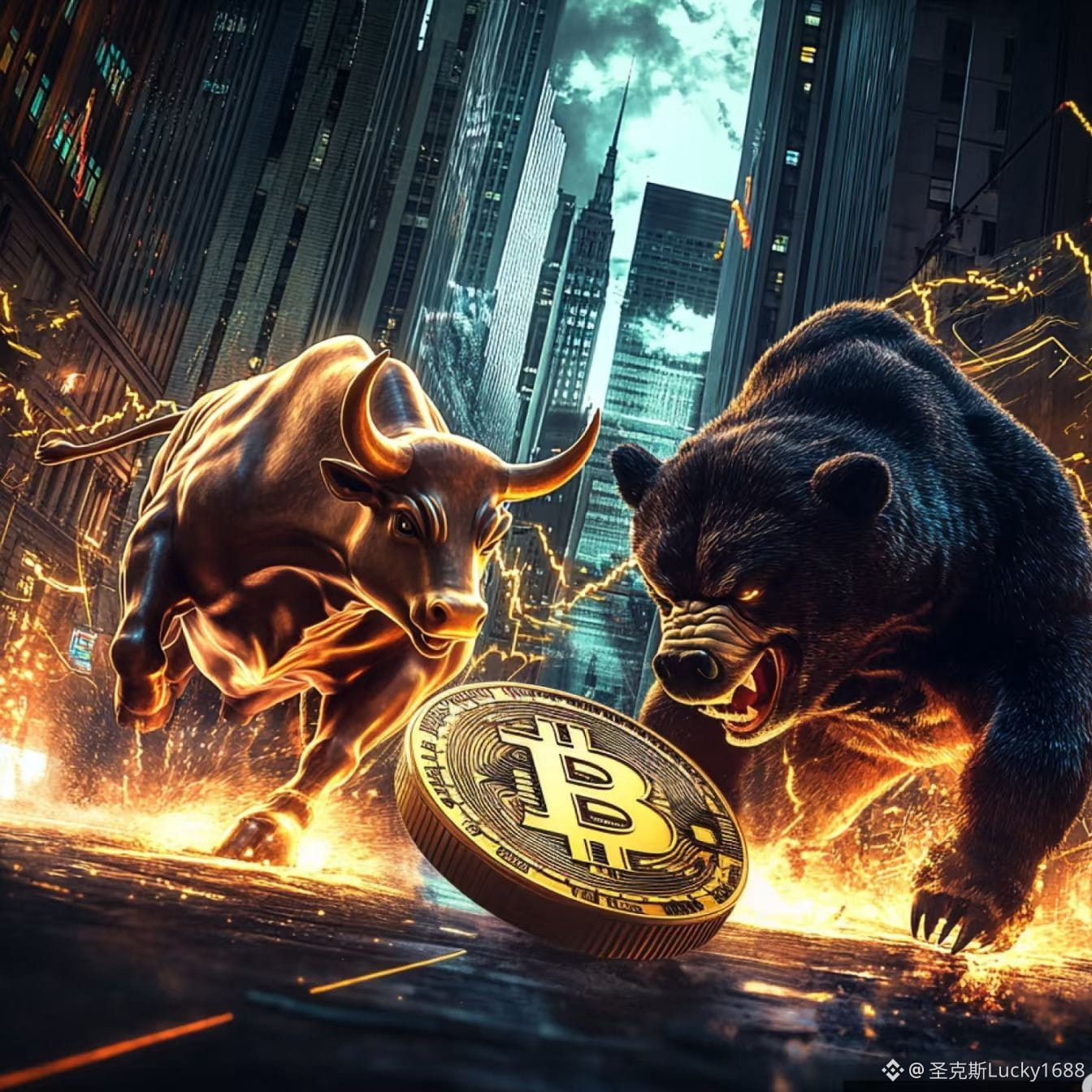
In short: today’s rise was mainly driven by the ICE + Trade.xyz U.S. perpetuals news. The market had already priced in unlock expectations, and the actual selling pressure is manageable. Going forward, regulatory progress and whether the plans are implemented will also matter.#HYPE $HYPE
HYPE-1.78%
ICEUS+1.31%
3
2.2k
Log in to explore more content
Join global crypto users on Binance Square
⚡️ Get latest and useful information about crypto.
💬 Trusted by the world’s largest crypto exchange.
👍 Discover real insights from verified creators.
Email / Phone number
Trending Topics
NvidiaInvestigatesAfterHuang’sAffairApology
125,375 views
1,321 Discussing
Nvidia Board Opens Probe Into Whether Huang Was Target of Foreign Intelligence Effort
Binance News
·15 Likes
·50.1k views
BitcoinFiveWeeklyLosses
153,359 views
1,789 Discussing
AIChipSlumpNasdaq
79,449 views
1,116 Discussing