🔍 A $60 billion war bill, in exchange for a shipping lane that requires a nod
Iraqi Foreign Minister Fuad Hussein gave Al Jazeera a figure on Sunday: the war with Iran has cost Iraq $60 billion.
At Brent crude’s price of $98.02 a barrel, that works out to 612 million barrels of oil. Iraq exports 3.35 million barrels a day, so that’s equivalent to wiping out half a year of the country’s export revenue.
The oil still has to be sold. In the same interview, he said Iraq had reached an understanding with the United States allowing crude to leave through a shipping lane near Oman in the Strait of Hormuz. On the same day, the U.S. Treasury Department called on Iraq to close all but two of its border crossings with Iran, one of them in the Kurdish region.
The northern route is also picking up steam. On November 4, Iraq’s exports through the Turkish port of Ceyhan rose to 500,000 barrels a day. When the strait is blocked, the pipeline takes over.
The land routes are under pressure too. That same day, a newly established U.S. command task force was tasked with choking off Iran’s overland supply lines, while Iranian officials publicly played it down. Choking off supply lines and closing border crossings are two halves of the same move.
The shipping lane needs approval; the border crossings need to close. There’s no toll to use this corridor—the price is picking a side.
The market moved first. Brent stood at $98.02, up 53% from a year ago. WTI fell 13% in a week to around $90, its steepest weekly drop since mid-April. Trump said that day that if negotiations made progress, another strike on Iran was “extremely unlikely.” Iran’s response was that it would make its adversary “rain fire.”
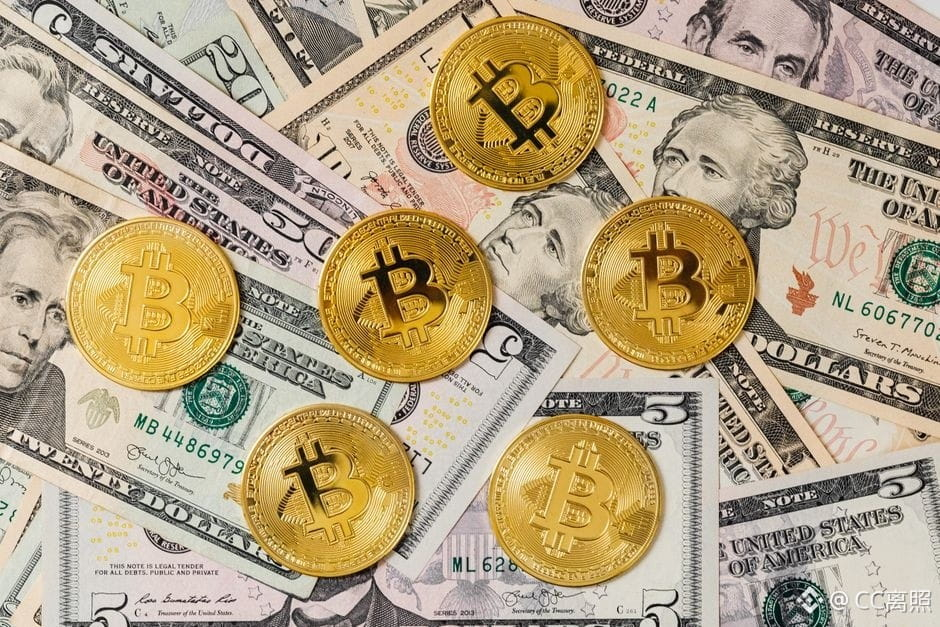
Bitcoin didn’t take the deal. Quotes across six sources ranged from 74,553 to 74,734, down 1.3% to 1.5% over 24 hours. Ethereum ranged from 2,131 to 2,135, down 4.4% to 4.6%—a sharper drop than oil.
Easing tensions in a war is usually considered good news for risk assets. Not this time. Oil is shedding its geopolitical premium; crypto is tracking positioning and liquidity.
The shipping lane sends a pretty clear message: the right to pass belongs to whoever issues the permit.
#中本聪国际社区Baoluo币商资本 #Bitcoin #Hormuz