When you hold a #stablecoin , how much do you actually know about the company or protocol behind it?
Do you know what backs the token? Who is responsible for redeeming it? Or whether the issuer operates under a recognised regulatory framework?
These are questions worth asking, especially as stablecoins become more embedded in #defi and traditional finance.
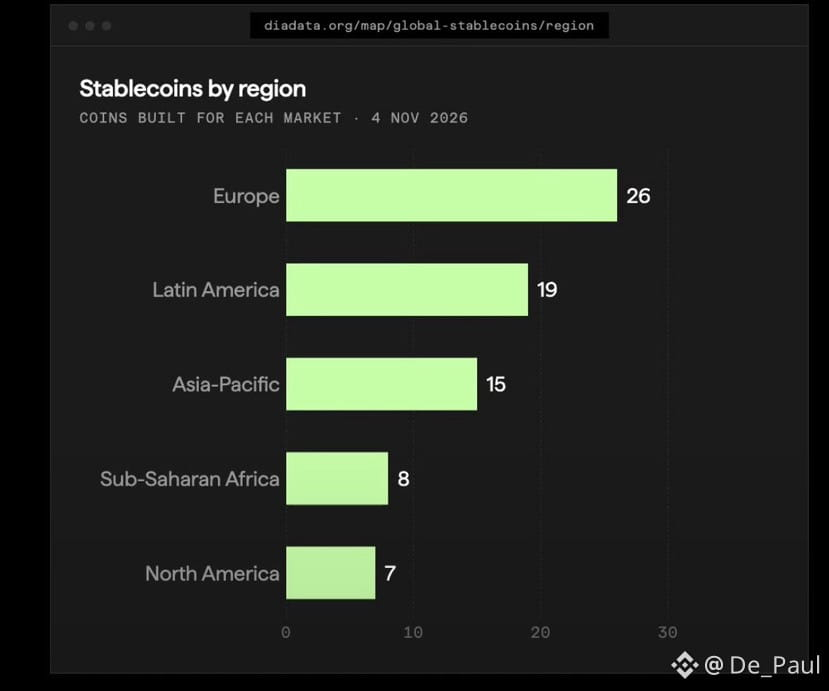
DIA’s newly published Global Stablecoin Map provides some interesting context.
Its data shows that 91.4% of stablecoin supply is designed to be backed by cash and money-market assets with issuer redemption.
However, only 29.9% of the total supply comes from issuers with an issuance licence.
That difference is worth understanding.
The type of backing, the issuer’s obligations to holders and its regulatory status are separate things. One shouldn’t automatically be treated as proof of the others.
I think stablecoin transparency should go beyond checking whether a token trades close to $1.
Understanding who stands behind the asset and what holders can actually claim is just as important.
$DIA 🔥🔥