
U.S. debt surpassed $40 trillion this year.
This enormous debt seems impossible to repay.
But this debt was not created to be repaid; it was created to be continually renewed.
That is, maturing debts are paid off with new debt.
Therefore, the United States needs someone to lend to it continuously.
The United States has changed this lender every so often.
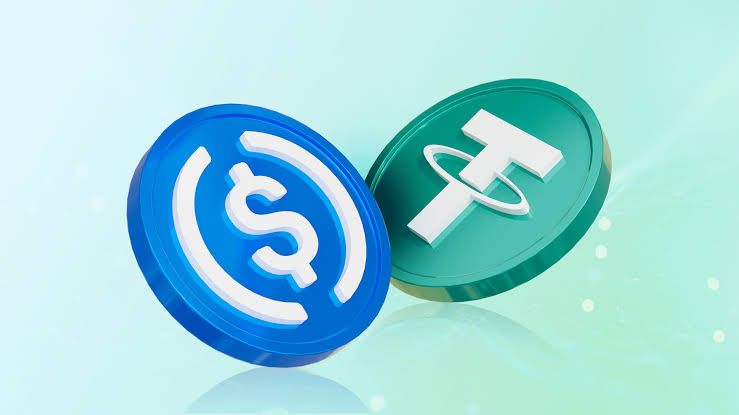
Today, it's the turn of the stablecoin on your phone. #USDT #USDC
So, how did we get to this point? Let's go back to the beginning and see.
The United States has never carried this debt alone. In every era, it has always had something backing it.
✅️In the first era, that backing was gold. #GOLD

Under the system established after World War II, the dollar was tied to gold. There was gold in US vaults to back every dollar.
Any country could take its dollars to the United States and exchange them for gold.
That's why the world trusted the dollar and didn't hesitate to lend to the United States.
Over time, the United States spent more than the gold it had. It printed dollars nonstop to fund wars and rising expenses.
After a while, the number of dollars in circulation far exceeded the gold in the vaults.
Countries that saw this began returning their dollars and demanding gold. US gold reserves were being depleted fast.
In 1971, US President Nixon closed that window, ending the conversion of dollars into gold.
That's how the first backing came to an end.
The dollar was no longer tied to anything. The United States looked for a new backing and found it in oil.
✅️In the second era, that backing was oil. #OilMarket
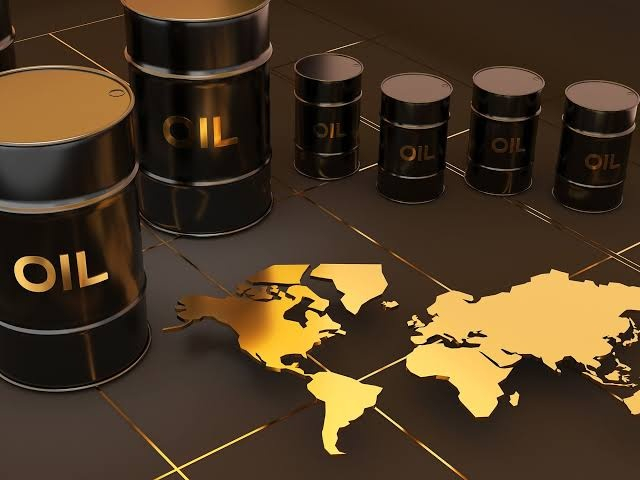
In 1974, the United States reached an agreement with Saudi Arabia. Saudi Arabia began selling its oil exclusively in dollars.
Saudi Arabia invested the dollars it earned in US Treasury securities. In return, the United States provided security and weapons.
That meant every country wanting to buy oil needed dollars. The money earned from oil flowed back to the United States again and again.
Oil had now replaced gold.
This system lasted for decades. Today, it too has begun to lose its strength.
China has been reducing its holdings of US Treasury securities for years. In 2013, it held $1.3 trillion; today, about half of that remains.
Even Japan, which holds the most US Treasury securities, no longer owns as many as it used to.
Even oil-selling countries are talking about moving away from the dollar. That means interest in long-term US debt from traditional buyers has declined.
Right at this point, a new buyer appeared. This time, it wasn't a country, but a stablecoin.
A stablecoin is a digital dollar whose value is always pegged at $1.
Around the world, money and payments are gradually moving onto the blockchain. The dollar is moving there too, as a stablecoin.
So, what makes this new buyer special?
In 2025, the United States passed a law regulating this. Under the law, every stablecoin must be backed by cash or short-term US Treasury securities.

Because they earn interest, companies mainly choose Treasury securities. In other words, most of the money flowing onto the blockchain returns to the United States as a loan.
The clearest example is the stablecoin company Tether. Today, it holds more than $120 billion in US Treasury securities.
That's more than many countries hold. A single company is now lending as much to the United States as an entire country.
The United States is now borrowing short-term. It buys its long-term bonds and sells short-term ones instead.
And it's precisely this short-term debt that stablecoins buy.
As traditional buyers pull back, this new currency fills the gap.
What's more, this system fuels itself. As cryptocurrencies grow, more stablecoins are issued.
Every new stablecoin means a new purchase of US Treasury securities. As more money moves onto the blockchain, US debt finds a buyer.
Now, step back a little and look at the whole picture.
Gold had to be mined from the ground, and oil extracted from wells. Today's backing is much simpler: an app on your phone.
Though the backing changed, the debt never went away. It just kept growing.
Cryptocurrencies emerged in direct opposition to this system.
Satoshi Nakamoto, the creator of Bitcoin, wrote this in 2009:

"The root problem with conventional currency is all the trust that's required to make it work. The history of fiat currencies is full of breaches of that trust, time and again."
But today, the newest force financing this debt is cryptocurrency itself—the very thing that was created to escape it.