

#ComparteTuOpiniónSobreBTC Market overview: Bitcoin rebounds to $75,600 as chip stocks lead the recovery

Bitcoin staged a partial recovery on Friday, November 6, after briefly falling below $75,000 and returning to trade near $75,600. The move coincided with a rebound in U.S. stocks, particularly in the semiconductor sector, after the October jobs report significantly exceeded market expectations.
Employment surprises to the upside
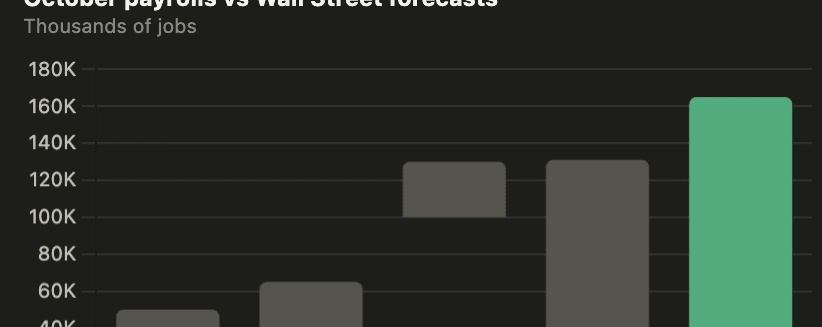
The United States added 165,000 jobs in October, above the consensus estimate of approximately 65,000 and also higher than the most optimistic forecast of 131,000. In addition, September's figure was revised upward, while the unemployment rate fell to 4.1%.
Hourly wages also grew more than expected month over month. Overall, the report points to a still-resilient labor market—a positive sign for economic activity, though with significant implications for monetary policy.
Tech stocks lead the rebound
After strong selling pressure in the previous session, the Nasdaq rose around 2% shortly after the opening bell. The iShares Semiconductor ETF rebounded nearly 6.5%, reflecting a renewed appetite for more volatile technology assets.
In the data center infrastructure segment, IREN stood out with a gain of nearly 20% after releasing quarterly results and announcing commercial progress related to GPU capacity. Other companies in the sector also rebounded, although several had continued to post significant declines in the preceding weeks.
Bitcoin recovers but remains cautious
Bitcoin traded near $76,000 overnight and was around $75,800 after the jobs report was released. It later fell below $75,000 before recovering to around $75,600.
The recovery shows that buyers stepped in after the decline, but Bitcoin's performance was less robust than that of technology stocks. This suggests that market participants are still weighing both the rebound in risk assets and the possibility of tighter financial conditions.
The Federal Reserve returns to the spotlight
Following the data release, the implied odds of a rate hike in December rose to 77%. The yield on the 10-year U.S. Treasury also increased, a reaction consistent with expectations that interest rates will stay higher for longer.
The market will be watching upcoming inflation releases, especially CPI and PPI data, as well as the stability of stock markets. These factors may influence expectations for the Federal Reserve's next decision and, in turn, the volatility of Bitcoin and other risk assets.
Conclusion
The session reflected two opposing forces: on the one hand, a strong labor market that supported the rebound in chip stocks; on the other, the possibility of tighter monetary policy, which could dampen market enthusiasm. Bitcoin recovered some of its losses, but its performance will remain closely tied to interest rates, inflation, and overall risk appetite.
This content is for informational purposes only and does not constitute financial advice. Cryptocurrency and equity markets are volatile; past performance does not guarantee future results.