I’ve always felt that you shouldn’t point out problems right away when you’ve just met a client. But the first service I’m selling now is helping clients find problems.
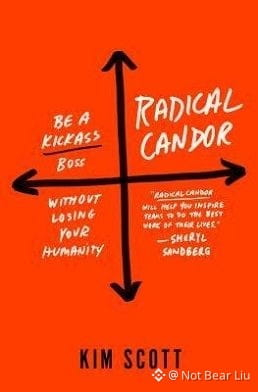
In 2022, when I was at Xero, the company brought in Kim Scott, author of *Radical Candor*. Her core message was about two things: genuinely caring about the other person while challenging them directly.
I’ve always agreed with this idea, but it’s not easy to put into practice.
One year, my boss had a career development conversation with me and very directly pointed out that when I was prepared, I shared at a top level, but in unfamiliar situations, I tended to ramble and repeat myself. I found the feedback deeply insightful and was very willing to accept it.
But this August, I had similar conversations with two different people. By the end of the first one, I felt like I was being corrected the whole time, and even started to get a little defensive. The second conversation, though, put me at ease and made me want to keep exploring the topic.
Looking back, the biggest difference between the two conversations was whether the other person had first asked if I wanted to hear their feedback.
It made me rethink the consulting business I’m running now.
My first service is a Product Audit: I experience a product as a new user, identify problems, and tell the founder which areas are worth prioritizing for improvement.
Over lunch with my former boss in 2023, we talked about why companies need outside consultants. One reason is that people inside the company may find it difficult to voice certain criticisms directly for fear of offending someone.
I’m gradually realizing that **pointing out problems directly starts with getting the other person’s permission.**
That permission can come from trust built over time, such as between a boss and an employee or between family members. Or it can come from a contract: when a client pays you to find problems, that’s an invitation in itself.
But when you’ve just met someone, you may have neither.
That’s why the caring part emphasized in *Radical Candor* is so important. Only when the other person feels your goodwill will they be more open to your challenge.
Next time I’m about to point out a problem directly, I’ll ask myself:
**Did the other person invite me to share my opinion?**