$14 billion in Bitcoin: the U.S. is going after it. But among the 45 targets named this time, not a single wallet address appears.
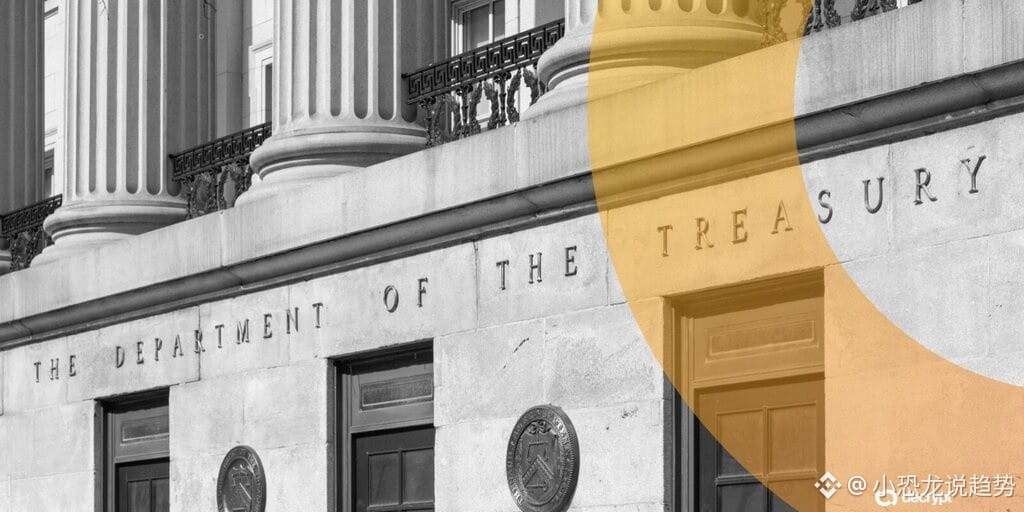
On November 5, the U.S. Treasury Department’s Office of Foreign Assets Control announced sanctions against 4 individuals and 41 entities.
🕐 最新解读群里更新
The Treasury Department said these individuals and companies were fronts for Prince Group executives, helping them conceal assets and evade two rounds of sanctions imposed in October 2025 and June 2026.
Prince Group is a Cambodian conglomerate accused of operating scam compounds that use trafficked workers to run cryptocurrency investment and romance scams.
This time, the list includes companies in the British Virgin Islands and Hong Kong, nominees, and He Yujing, the wife of senior executive Chen Bo. After the previous round of sanctions, Chen Bo transferred his Tokyo mansion into her name.
Also named is a person called Visal Pang, who controls 11 Cambodian companies spanning construction, logistics, hotels, and a super-app.
On the same day, Malaysian national Chui Kok Wa was also sanctioned. The Treasury Department said he led a team in Madagascar that used cryptocurrency to defraud Americans of more than $400,000.
The really big number is elsewhere: the U.S. is seeking to seize about $14 billion in Bitcoin linked to Prince Group.
In the U.K., authorities froze a London penthouse worth about $12 million that allegedly belonged to the group’s financial controller, Thet Li.
The group’s chairman, Chen Zhi, was arrested in Cambodia in January this year and subsequently extradited. Cambodia had previously revoked his citizenship and sent a bank owned by the group into liquidation.
Prince Group denies all the allegations.
What stands out to me is that the focus of sanctions has shifted ⚖️
None of the 45 targets is an on-chain address. They’re all companies, nominees, family members, and administrators.
That’s because addresses can be changed. One person can generate thousands of wallets overnight, but changing company registrations, bank accounts, property records, and passport names takes years.
Law enforcement is shifting from tracing coins to tracing people—targeting the channels used to launder illicit proceeds into legitimate assets.
The scale of those channels can also be measured. The Department of Justice’s Scam Center Strike Force has reported $580 million in cryptocurrency assets seized and frozen. In September, the Financial Crimes Enforcement Network linked about $12.7 billion in financial activity to scam compounds in Southeast Asia.
As for the market, these $14 billion are unlikely to have much impact in the short term. These coins have been dormant for years and aren’t part of the circulating supply.
But they represent a pool of dormant supply. If they really end up in government wallets, whether they’re later auctioned off or held long-term will become a new variable 🦖
One more detail worth remembering: among the 41 sanctioned entities are an airline, an insurance company, a wine business, and a lending company.
Scam groups are no longer just a few people at keyboards. They’re a cross-industry corporate network 💰
Join the conversation: do you think the $14 billion will ultimately be auctioned off or locked away in reserves for the long term? 🔒
Every day, I bring you the latest in crypto regulation and on-chain fund flows—not just what’s happening in the news, but the logic and opportunities behind it 👀🚀