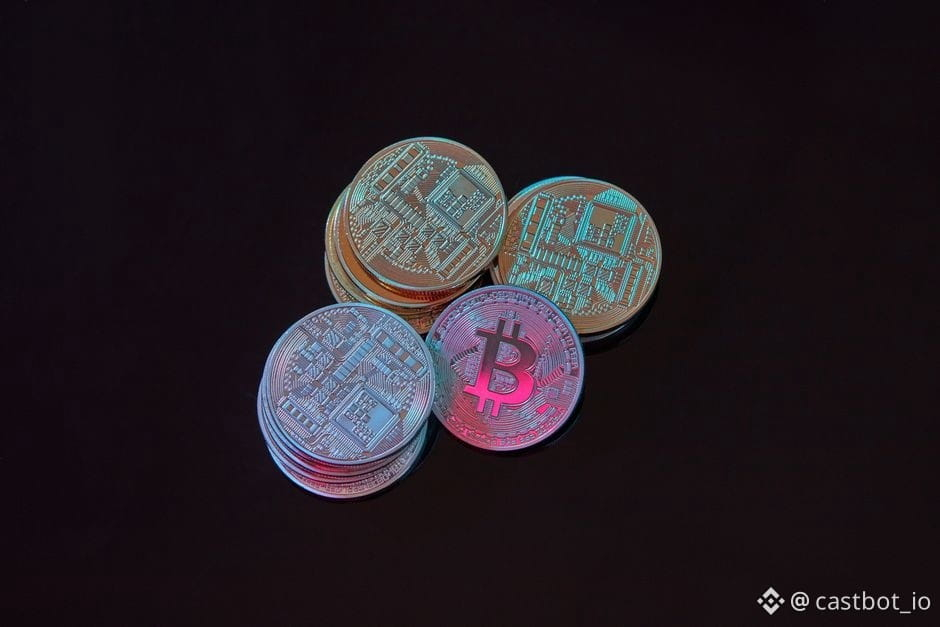
📰 DePIN plunges 7.31%, dragging down Bitcoin and ETH. Why is the entire crypto market falling?
The crypto market saw a broad pullback on November 6, with the DePIN sector leading the decline at 7.31%. The main reason was a sharp 14.32% drop in Grass (GRASS), while Filecoin (FIL) also fell more than 8%. Alongside this downturn, Bitcoin fell below $76K and Ethereum dipped under $2,300. The entire DePIN sector, including Render (RENDER), also posted a 5.72% loss. Other sectors were not spared either, including CeFi (Cronos/CRO down 6.22%) and Layer 1 (NEAR/INJ down more than 8%).
Why does this news matter?
The collective plunge in the DePIN (decentralized physical infrastructure networks) sector is not an isolated event. The fundamental reason for this decline is that DePIN business models are facing pressure from both funding constraints and regulation. On one hand, leading projects such as Filecoin have been in a bear market for six months, with user growth stalling and price support weakening. On the other hand, stricter data-localization regulations in several countries have recently led to a reassessment of earnings expectations for DePIN projects that rely on cross-border data flows. Render's decline is particularly notable because it directly reflects cooling demand for AI computing power—if GPUs used for AI training shift from miners to cloud computing, DePIN's core value could be significantly diminished.
The impact on the market landscape is evident on two levels: first, it confirms the rotation of "high-valuation sectors," with DePIN's rating downgraded from a "sure winner" to a "high-risk asset" in the third quarter of 2024; second, it intensifies risk aversion across the market. Ethereum ($2,243.96) fell more sharply than Bitcoin ($76,184.01), indicating that capital is moving away from more volatile Layer 1 chains.
Market impact
In the short term, DePIN's crash could trigger three knock-on effects: first, negative sentiment could spread to Bitcoin and Ethereum; second, crypto funds may sell off DePIN tokens en masse, but the proceeds may not flow into other popular sectors and could instead temporarily move into cash; third, regulatory signals will continue to ripple through the market, affecting other industries that rely on network effects. A similar historical event was the wave of Layer 2 liquidations in 2021, when the DeFi sector briefly performed well. This time is different, however, as regulatory pressure poses a systemic risk.
Trading approach
The crypto market is falling broadly, but structural opportunities have not disappeared. This view would be invalidated if Bitcoin ($76,184.01) falls below $75,000 and Ethereum ($2,243.96) breaks below $2,200, invalidating this double-bottom structure. For now, DePIN's collapse looks more like a "bad-debt crisis" than a trigger for a full-blown crisis, though that depends on whether fresh capital steps in.
This article is not sponsored by any project, and the author does not hold any of the assets mentioned.
Source: Binance Square
$BTC $ETH #BTC #ETH
⚠️ This is not investment advice. Forecasts are for reference only.
$BNB