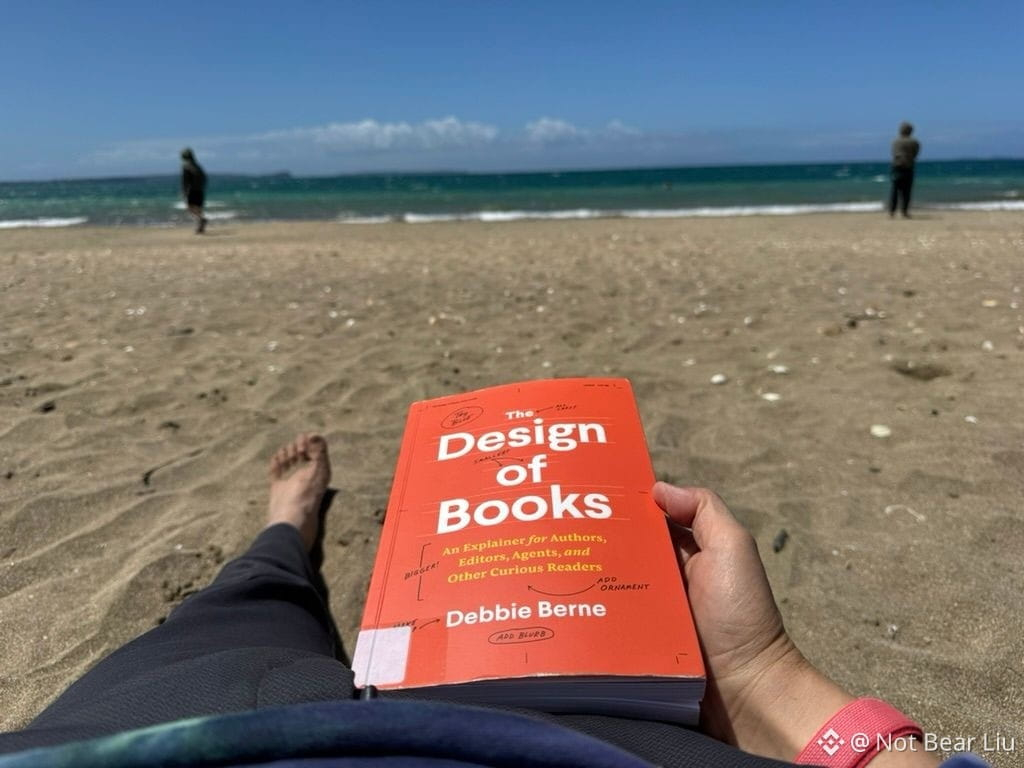
Recently, while reading *The Designer of Books*, I came across a really interesting idea and realized that book cover design and the digital product design we do today actually face very similar challenges.
As early as 2009, designer Isaac Tobin suggested that as ebooks became more popular and people gradually shifted from buying books in physical bookstores to buying them online, the way we thought about cover design should change too.
In the past, designers mainly considered how a book would look on a bookstore shelf. The cover’s size, typography, layout, and paper were all designed around this physical object.
But in the digital age, a book might appear in a physical bookstore, Amazon search results, a Kindle e-reader, a mobile app, and on social media—all at the same time. The same cover can have completely different sizes, proportions, and presentations in different contexts.
So Tobin argued that cover design should focus less and less on a single cover and more on a book’s Visual Identity System. Designers need to shift from designing a specific object to designing an open system.
This made me think about how digital product design has changed.
In the past, when designing a website, we might have focused mainly on what a page should look like. But today, a product might exist on a website, in a mobile app, a desktop application, email notifications, and even on a smartwatch—all at the same time.
If every interface is designed separately, the product experience can easily become fragmented. So we’ve started building Design Systems, using a shared design language, components, and rules to keep products consistent across different devices and contexts, while still allowing enough flexibility.
The underlying logic behind both is quite similar: **what designers need to consider has expanded from a single, fixed end product to a system that can adapt to different media and contexts, and continue to evolve.**
Even more interestingly, Tobin had already spotted this trend back in 2009. The iPad hadn’t even been released yet.
A book cover and a digital product interface may seem to belong to two different fields of design, but they are undergoing similar transformations.