

A job offer. A video call. A coding test. And a trap that helped compromise billions in cryptocurrency. This really happened.
On October 29, 2026, Binance suffered an attack that affected approximately $6.34 billion in digital assets. But what’s surprising is how it began.

How did it happen?
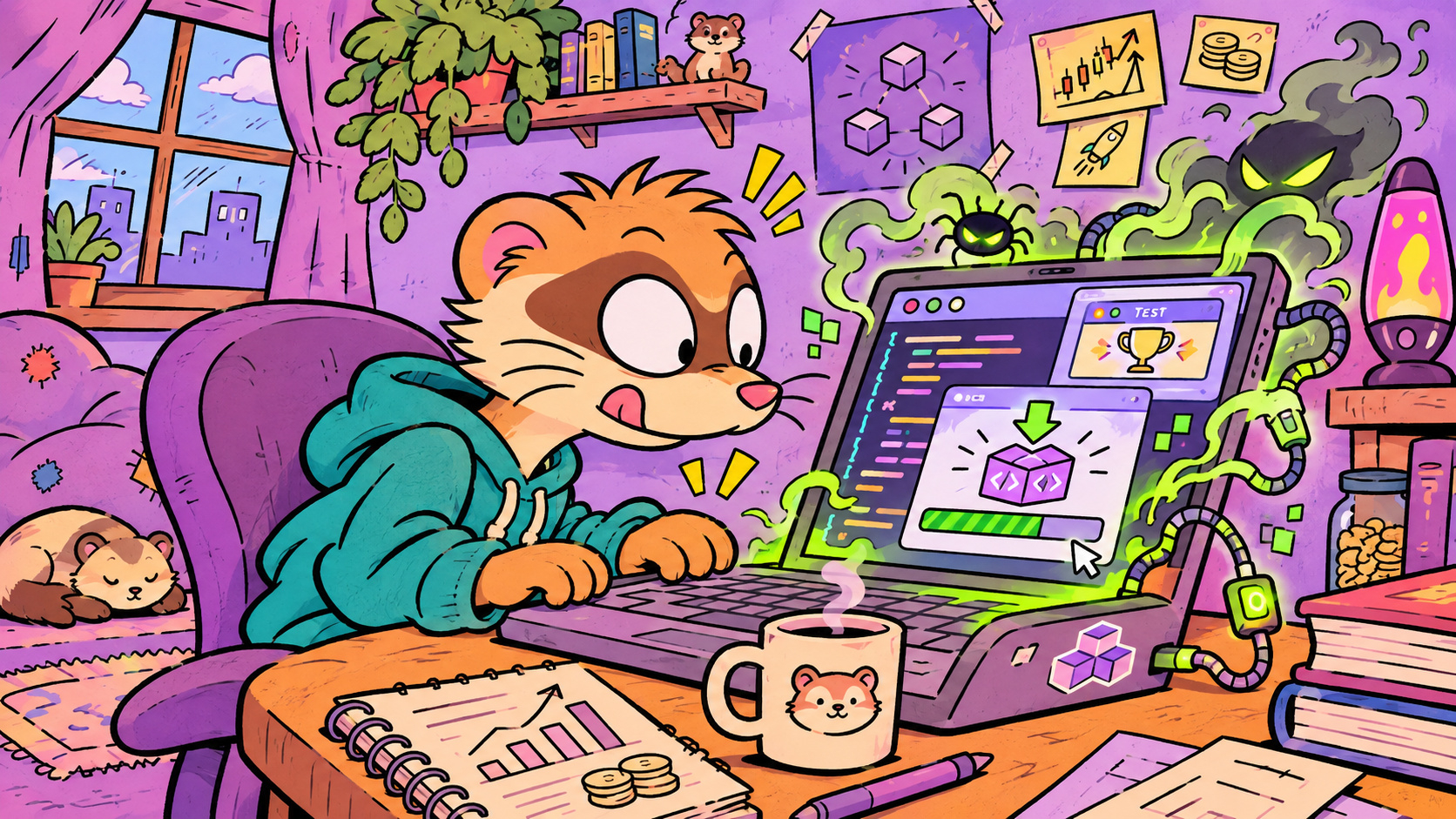
In September, a Binance engineer received an apparently legitimate job offer. They took part in interviews and received a technical test: download and run a coding project.

The project contained malware. That is, malicious software capable of giving attackers unauthorized access to your computer. The attackers exploited that access, along with other breaches that had begun months earlier, to compromise internal systems. They even used one of the company’s artificial intelligence tools.
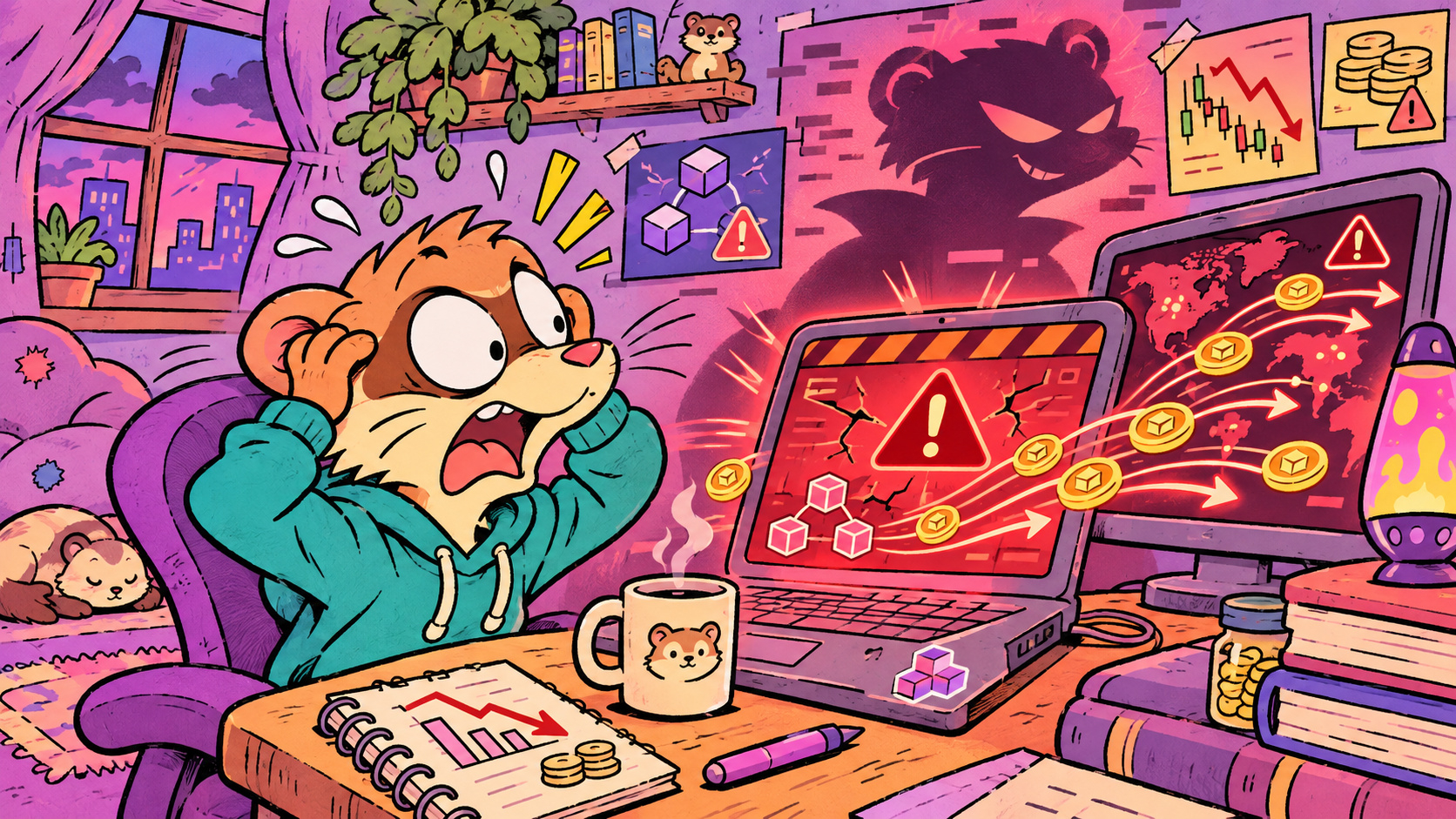
Finally, on October 29, they made unauthorized transfers from Binance’s wallets.
What happened to the money?
According to the official report published on November 3:
$6.34 billion in affected assets.
$2.85 billion frozen or intercepted.
98% of affected assets replenished, according to Binance.
The company said it would cover the losses and not pass them on to its users.
The lesson is bigger than Binance.
Not all attacks start by breaking through security systems. Some start by earning your trust. A fake interview, an unfamiliar link, or malicious software can become an entry point.
In Web3, protecting your crypto also means protecting your devices. Would you run an unfamiliar program to get a job opportunity?