

I’ve lived around Hongqiao for almost a year and a half, and only last week did I discover there was a place like this right on my doorstep.
First, let’s talk about why it’s worth knowing about.
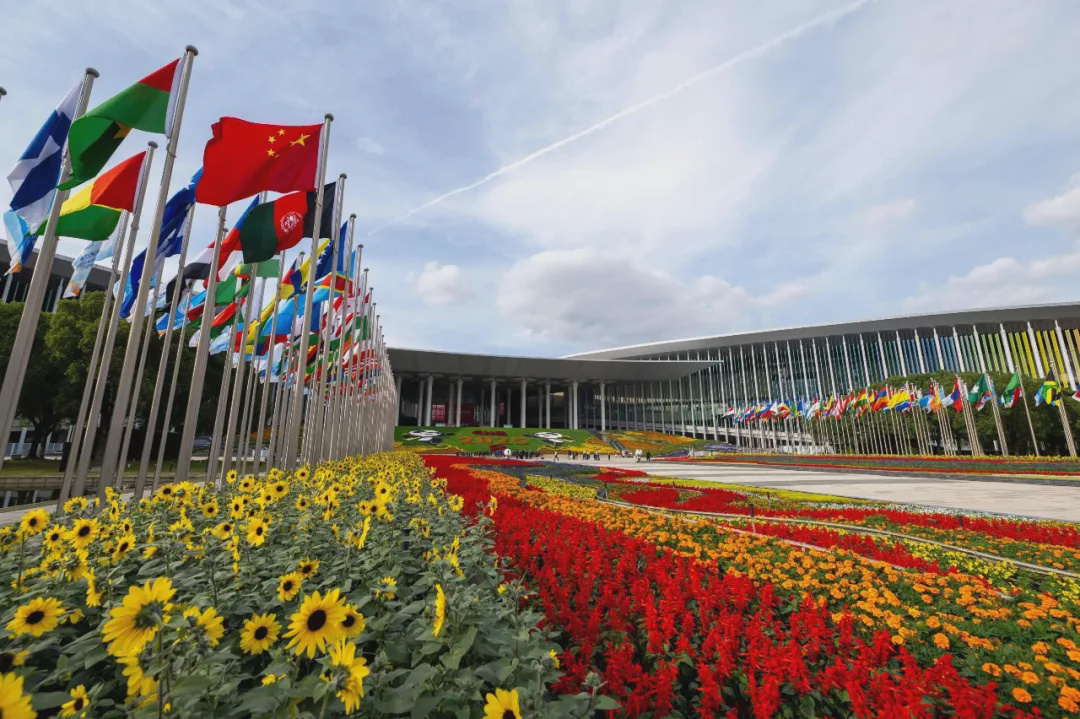
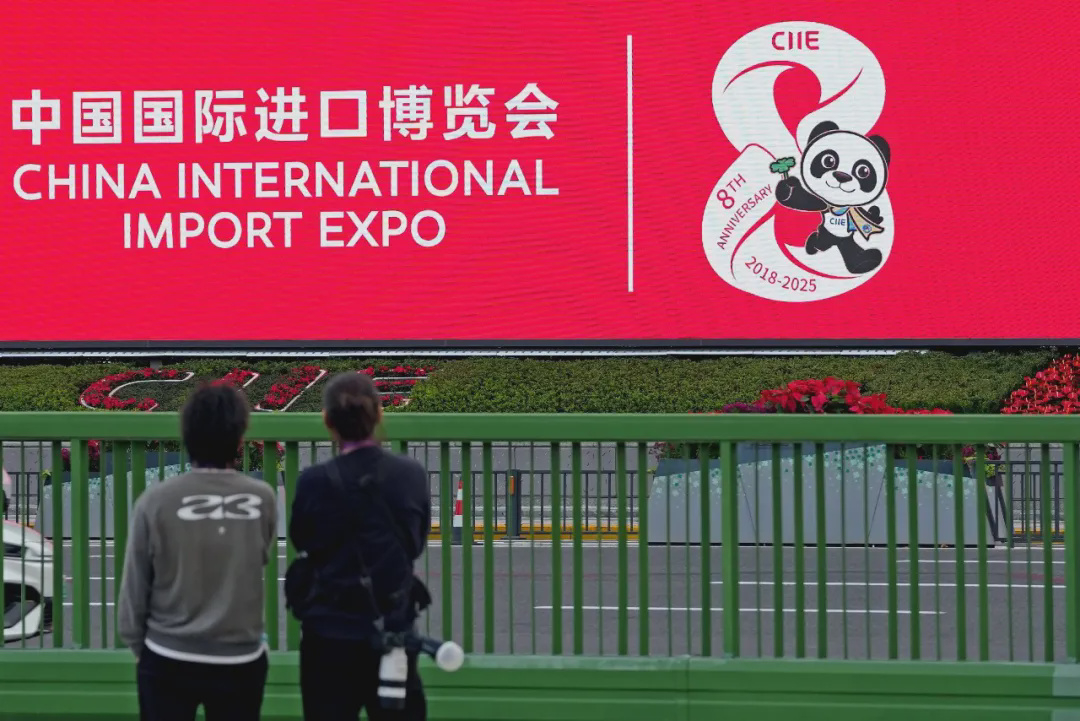
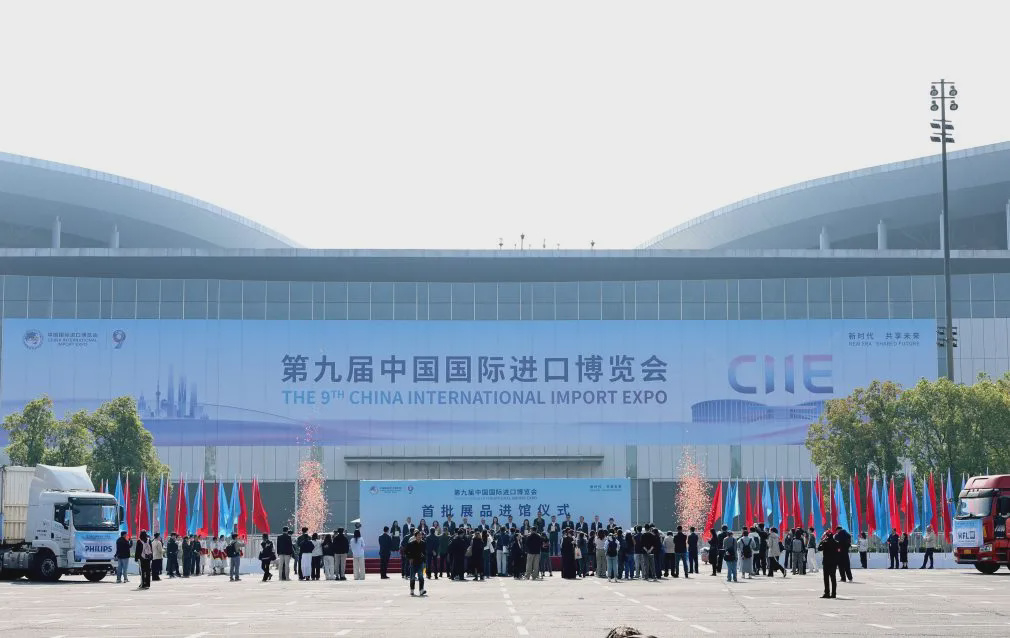
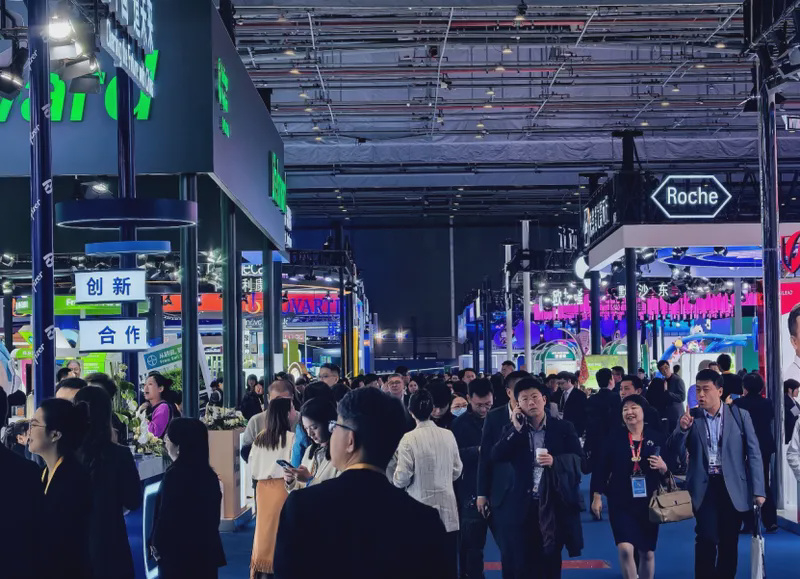
This year, from November 5 to 10, the 9th China International Import Expo opened in Shanghai, with 162 countries and regions, 4,142 overseas companies, 440,000 square meters of exhibition space, and more than 480 global debuts. The numbers are impressive, but they don’t really have much to do with you—you probably can’t get in, whether because you don’t have a ticket, can’t take time off, or aren’t even in Shanghai.
So here’s the question: where do all those products go after those six days are over?
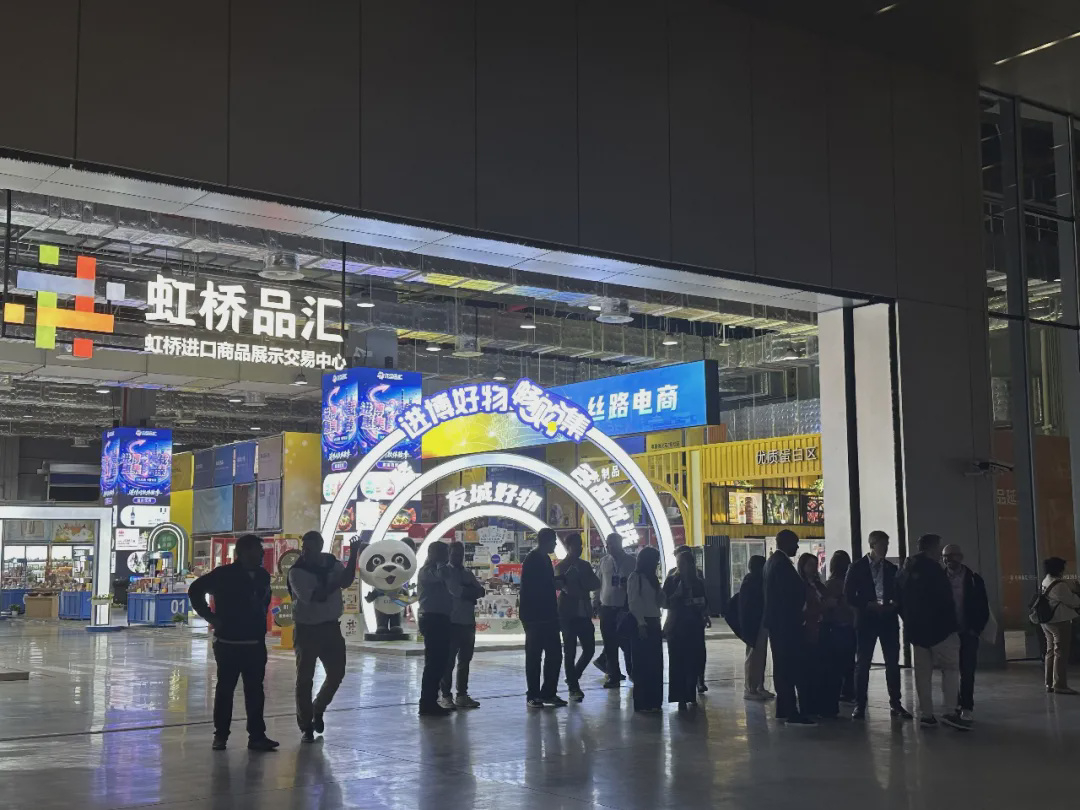
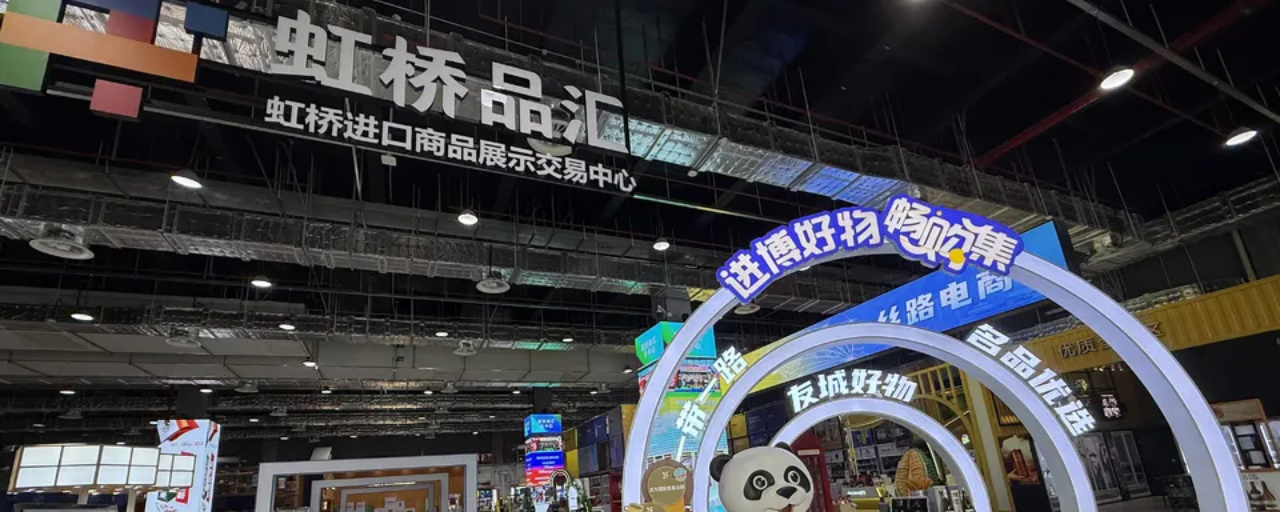
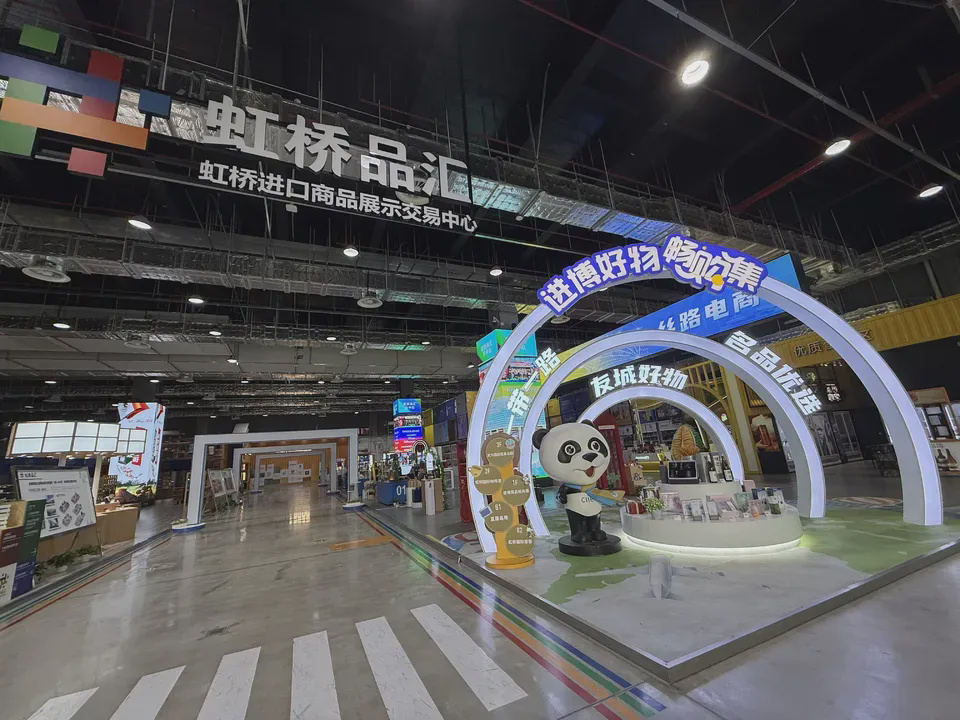
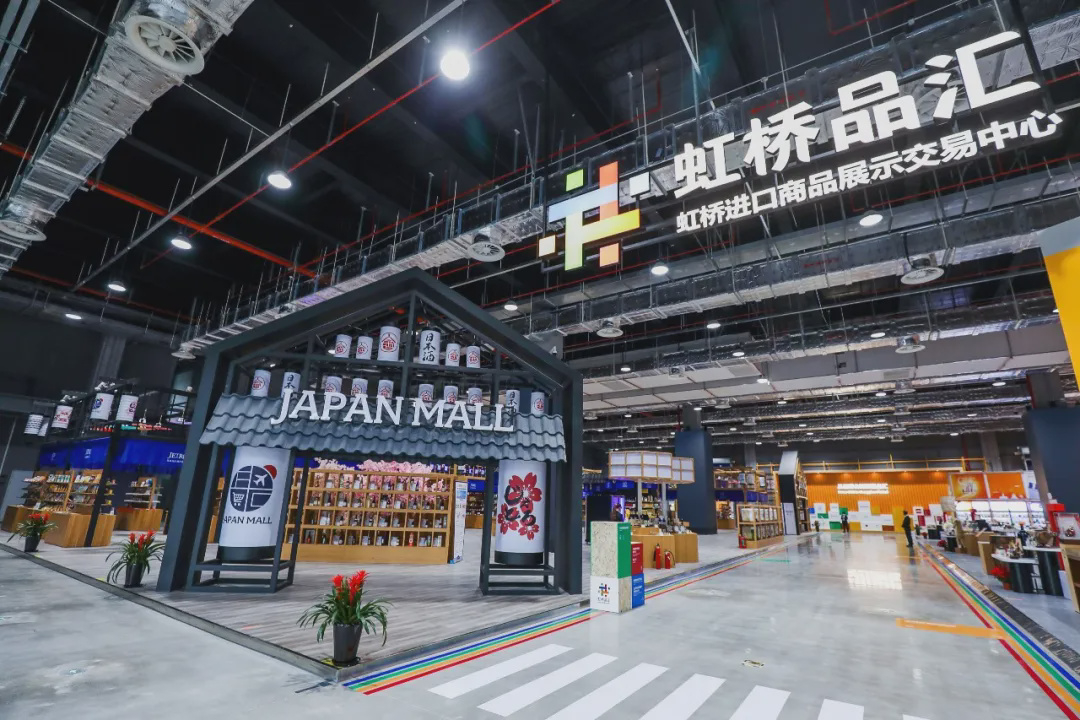
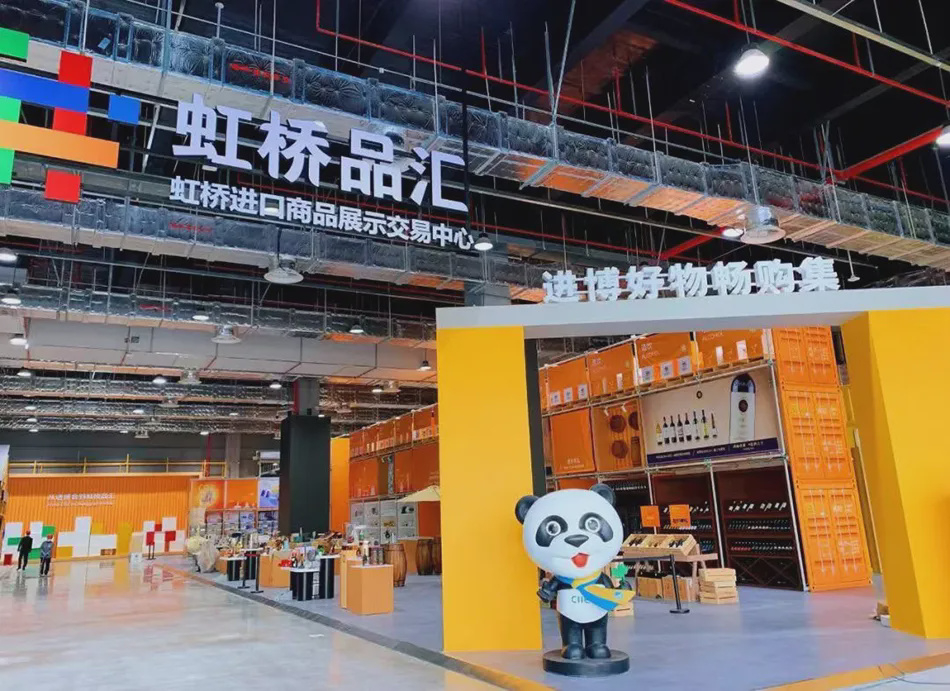
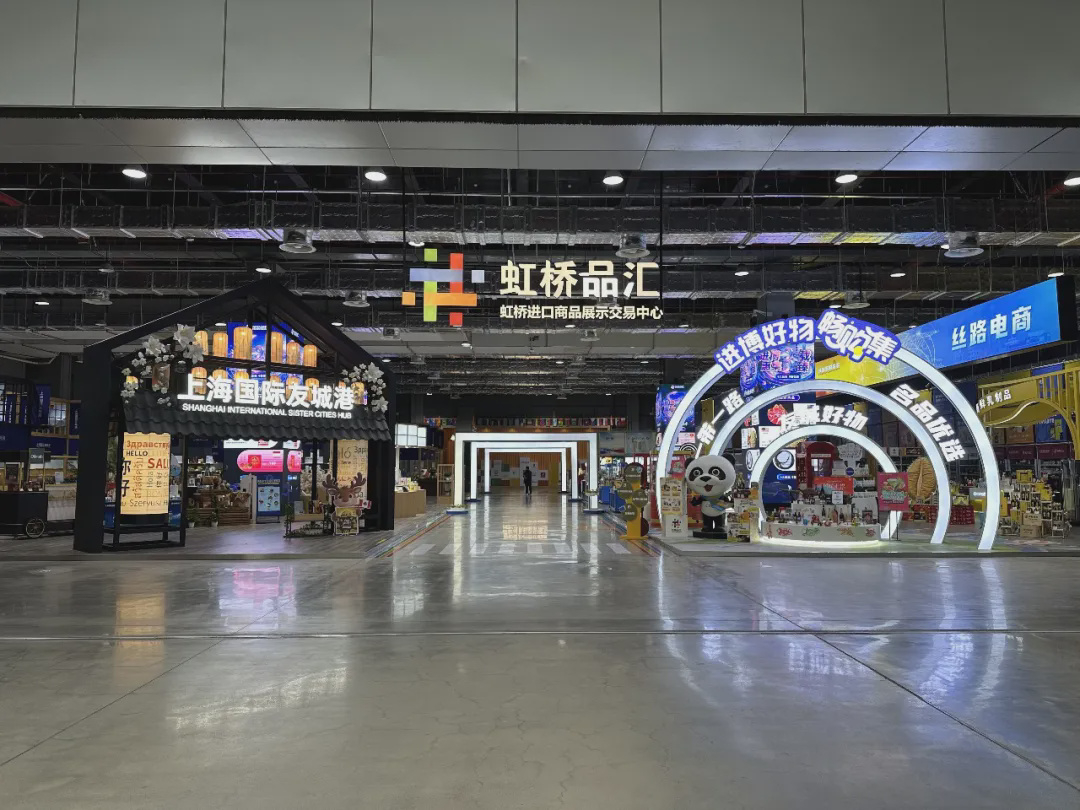
Durian from Malaysia, red wine from Georgia, coffee beans from more than 60 countries, pots from Japan, machines from Germany—you can’t exactly pack them all up and ship them back home. Shanghai had already thought of that: five kilometers from the National Exhibition and Convention Center, there’s a place called Hongqiao Import Commodity Exhibition and Trading Center. When the expo wraps up, the exhibits don’t go home—they’re moved straight in and put on sale year-round. The authorities call this the “6 days + 365 days” model.
This place is huge. Since it began operating in 2019, it has served eight editions of the China International Import Expo, featuring products from over 6,000 brands across 120 countries and regions, with more than 85,000 items matching those at the Expo. In 2024, the platform’s transaction volume reached 30 billion yuan. One out of every two cups of coffee drunk in Shanghai is made with beans that came from here.
By now, you’re probably thinking, “Then I’ll just go buy some.”
Here’s the problem.
It has no online store or mini program. You can’t find it on Taobao, JD.com, or Pinduoduo, and there’s no way to place an order through WeChat either. For the 1.4 billion people in China, the only way to buy its products is to go there in person.
The only thing in the whole complex that even comes close to being online is the cluster of around 60 livestreaming rooms on the basement level. They’re run by various organizations, each doing its own broadcasts. Sounds promising, right? It’s actually even more frustrating: only some brands livestream, the schedules are irregular, and you have to happen to come across the right room. If you don’t, it’s as if those products don’t exist.
So you can think of its online presence as scattered and unpredictable, covering only some of the products. For everything else, you have to go there on foot.
This 30-billion-yuan-a-year business relies entirely on people who know about it: local residents, importers, trade show visitors, and group-buy organizers. Everyone else has no idea there’s a place like this in Shanghai.
I was one of them. I walked past those buildings every day and only happened to wander in a few days ago.
I was a little stunned when I went inside.
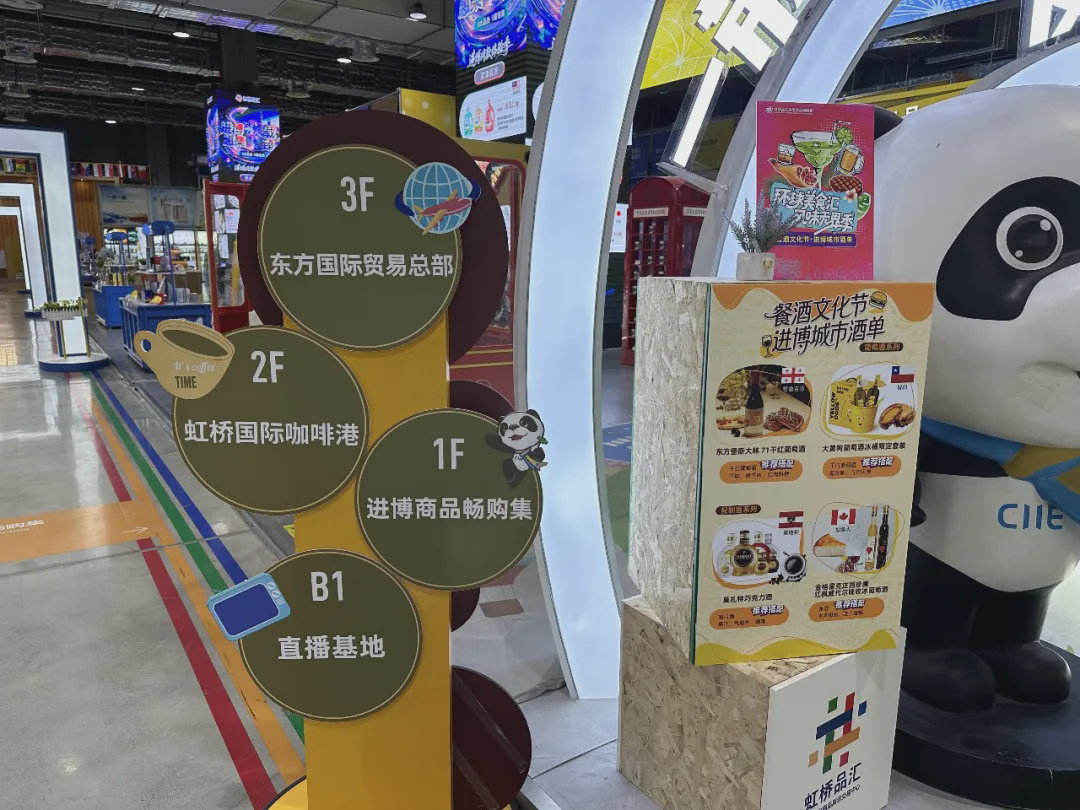
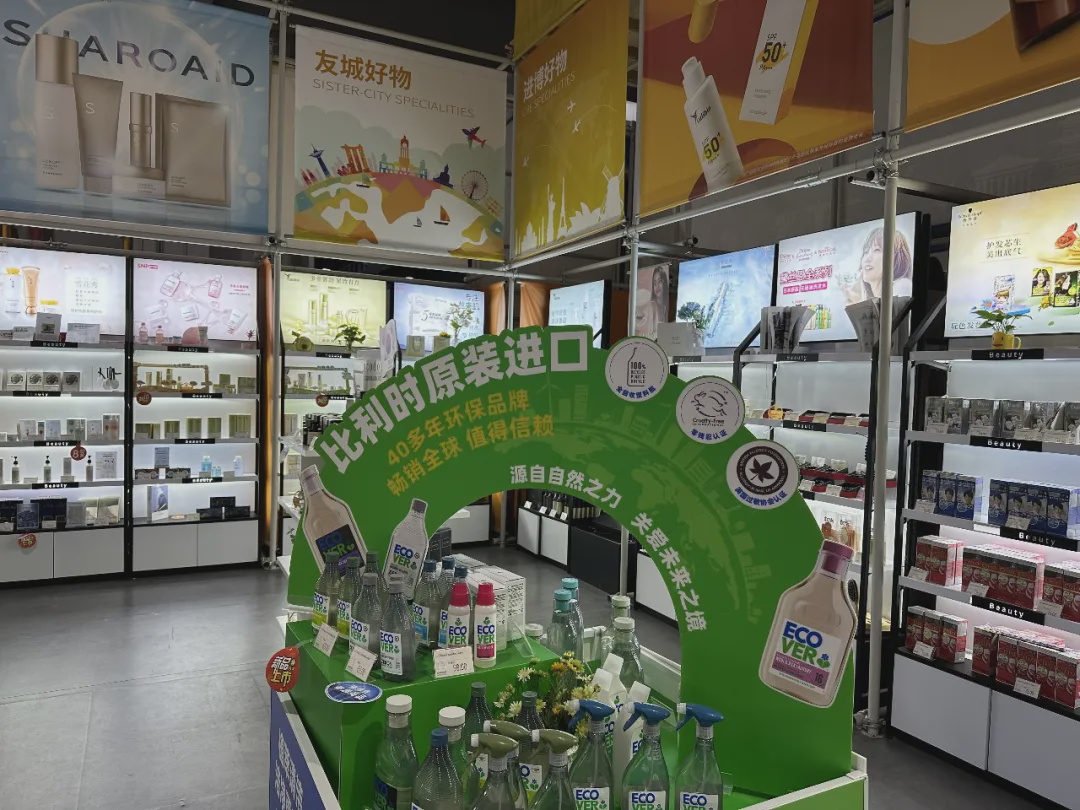
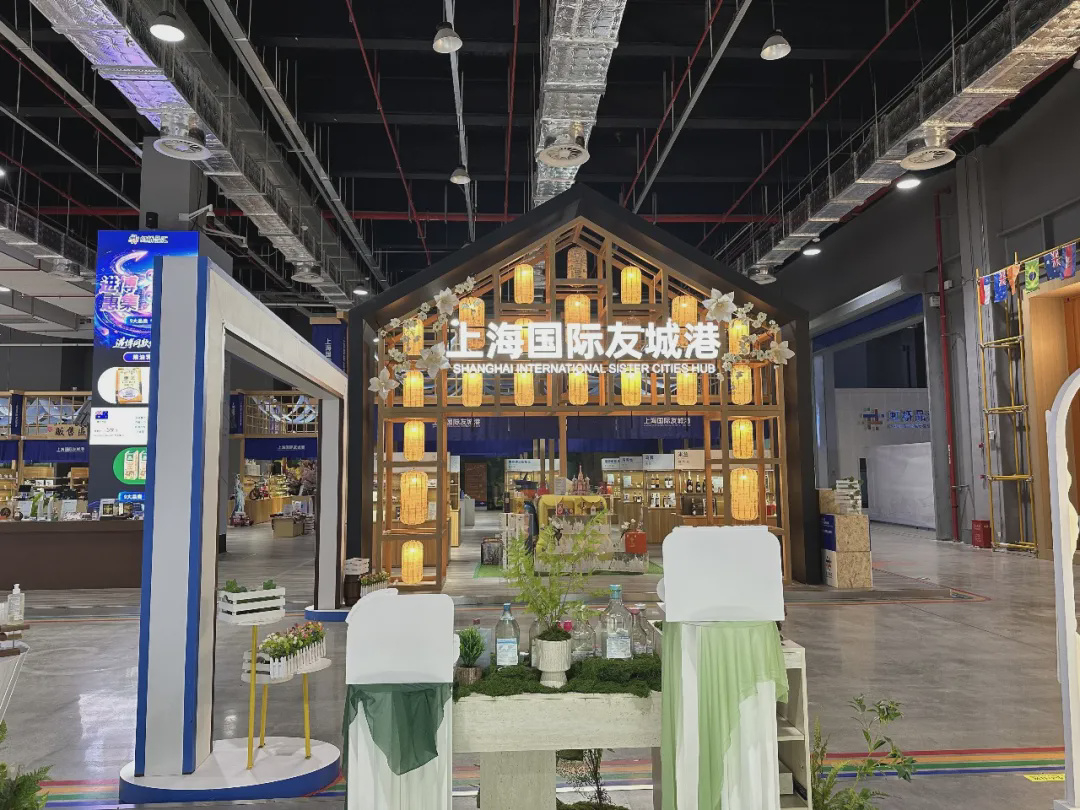
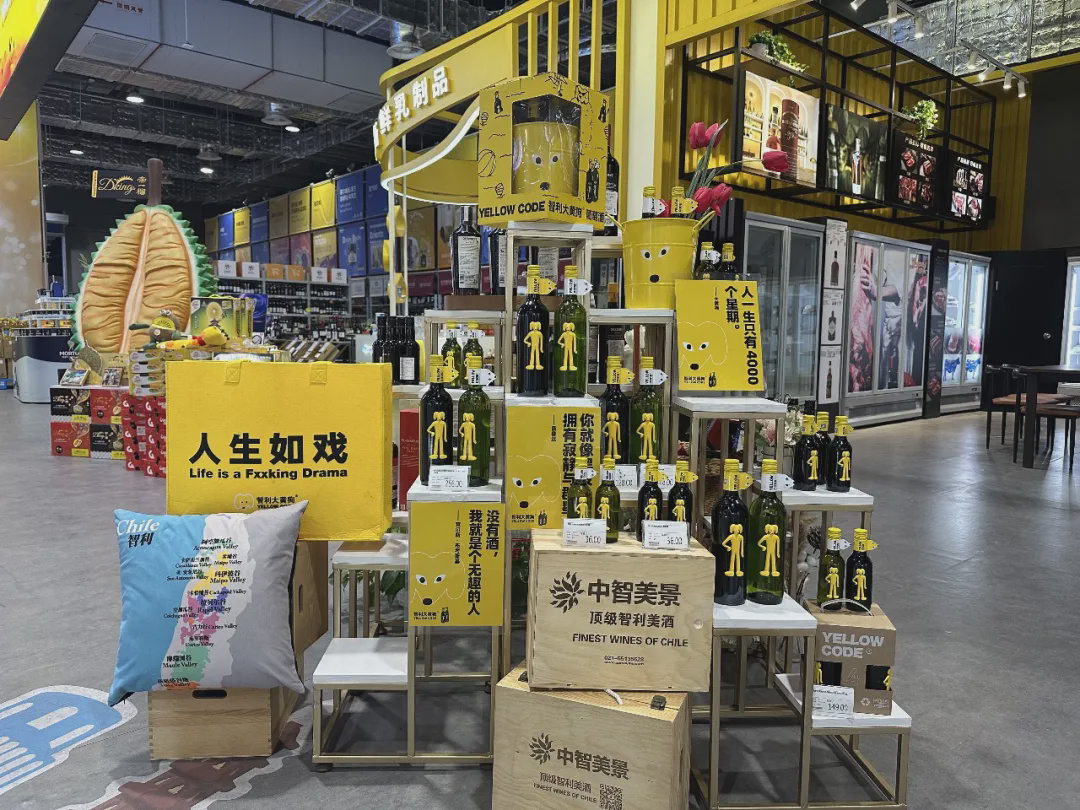
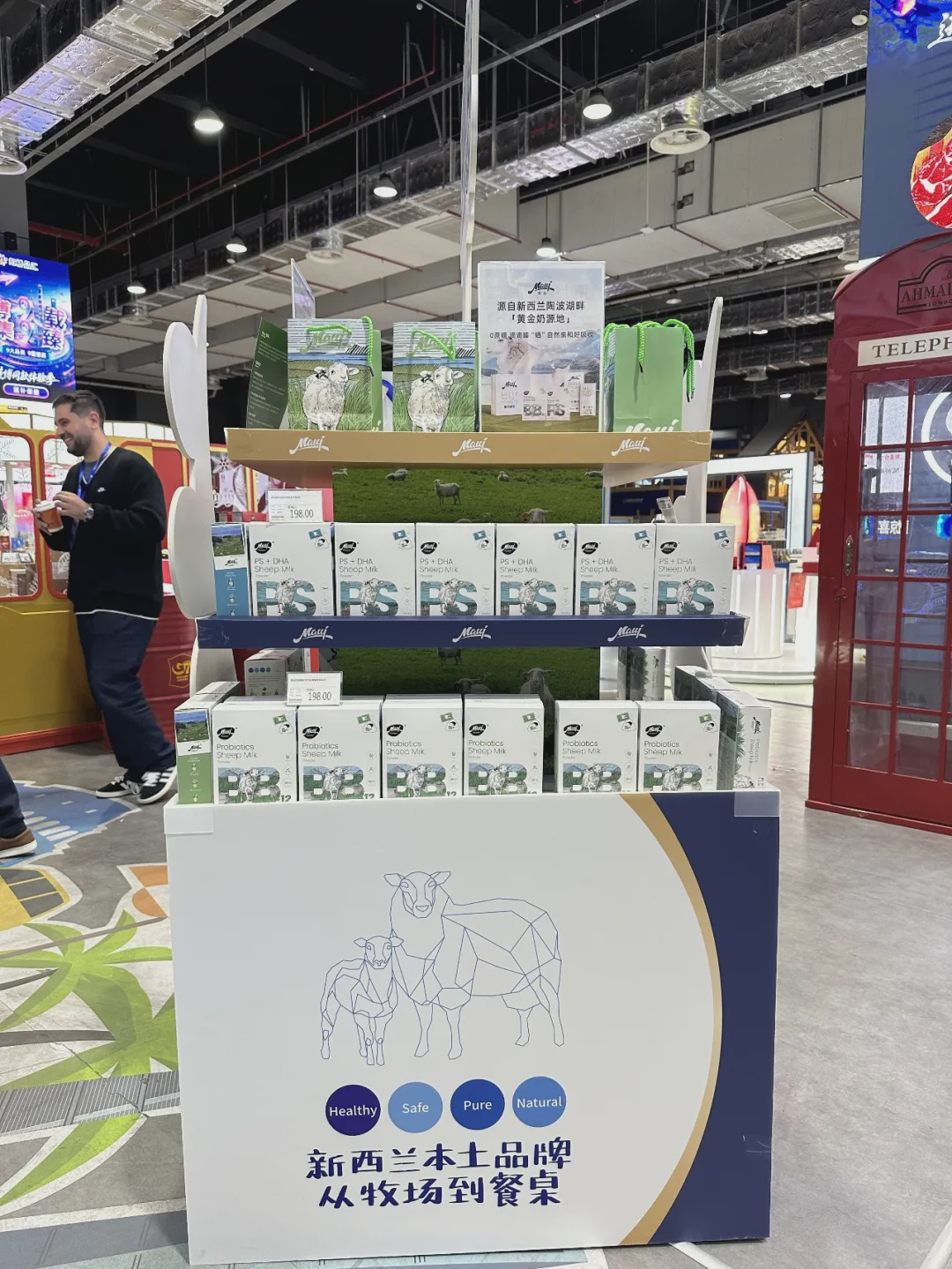
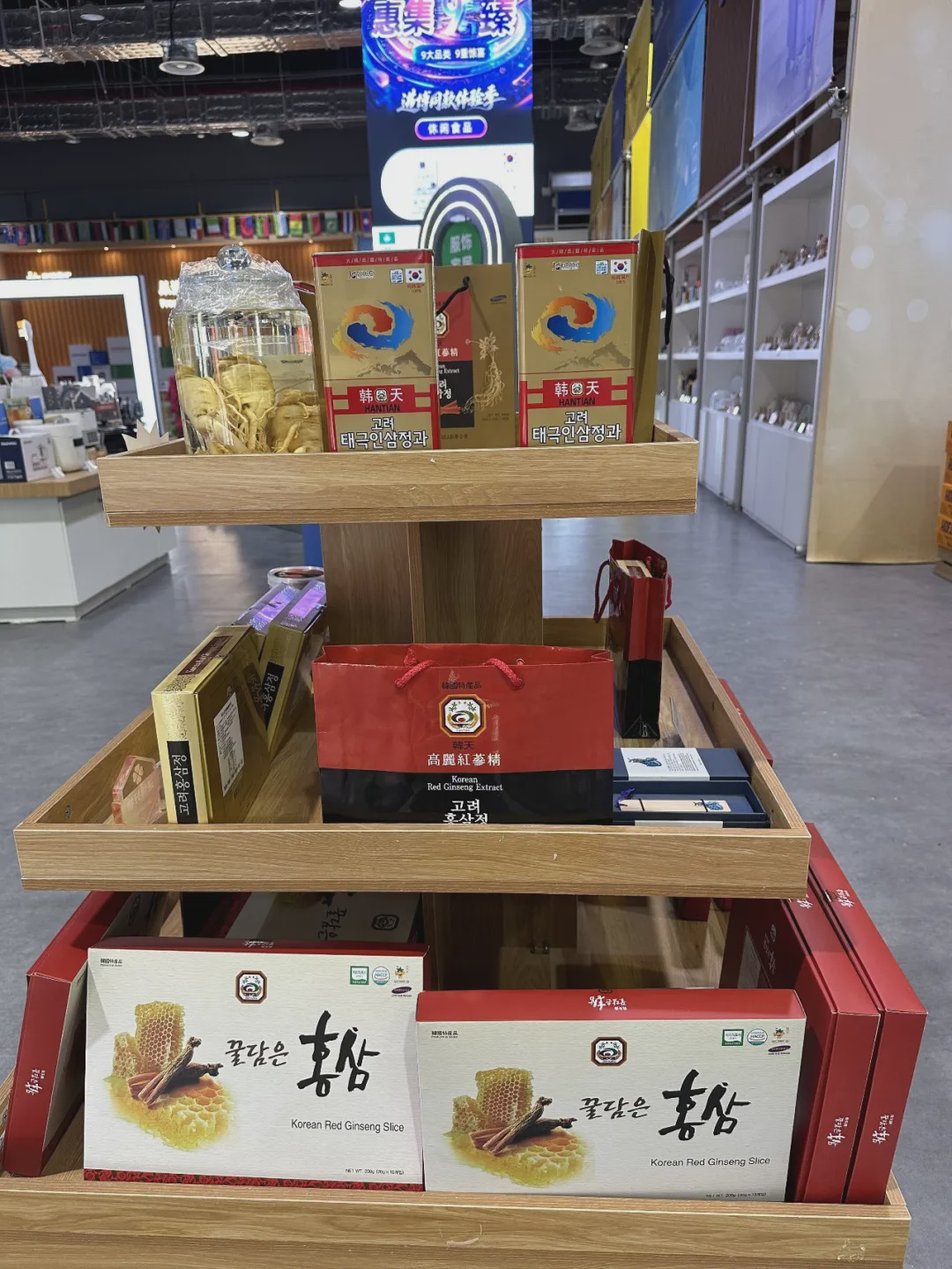
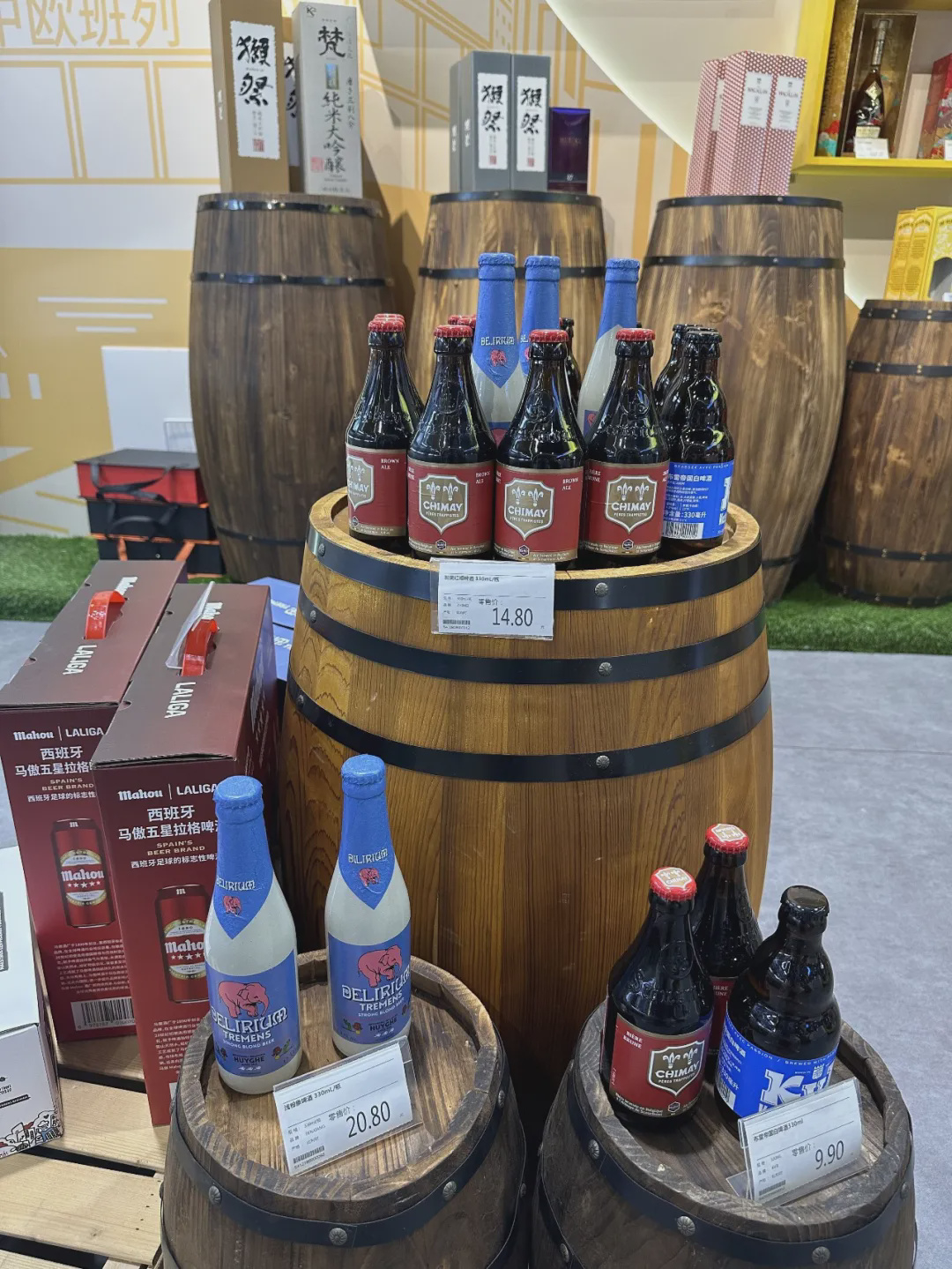
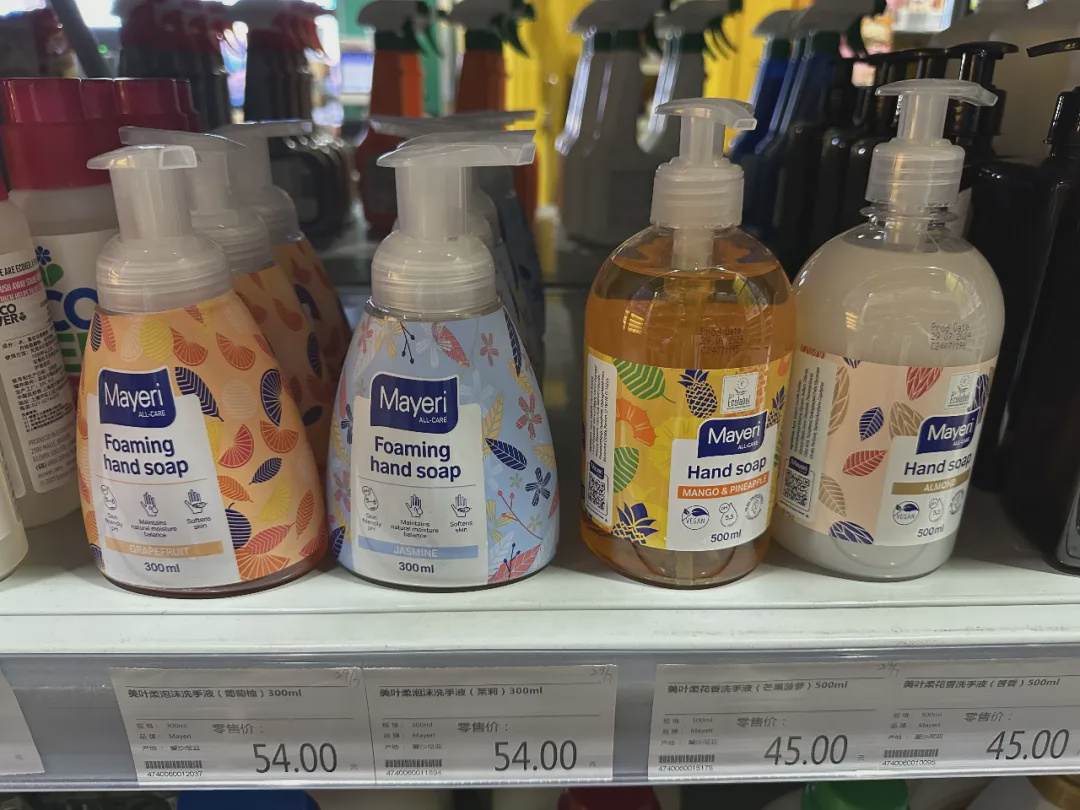
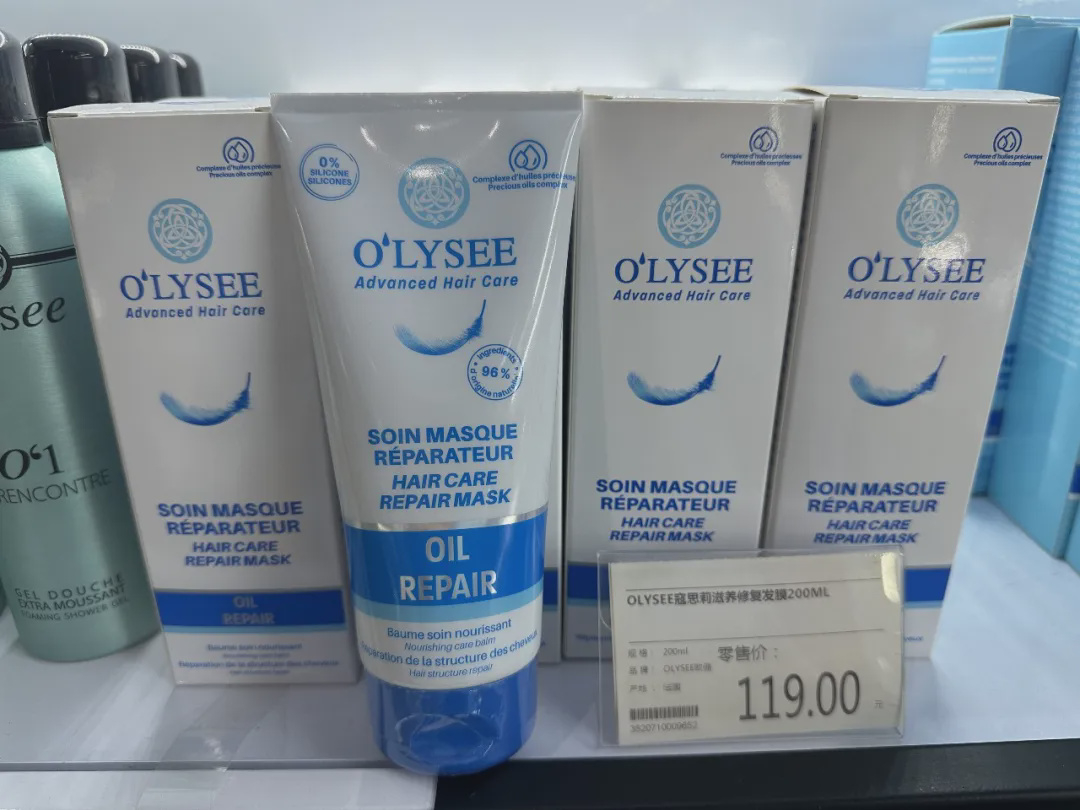
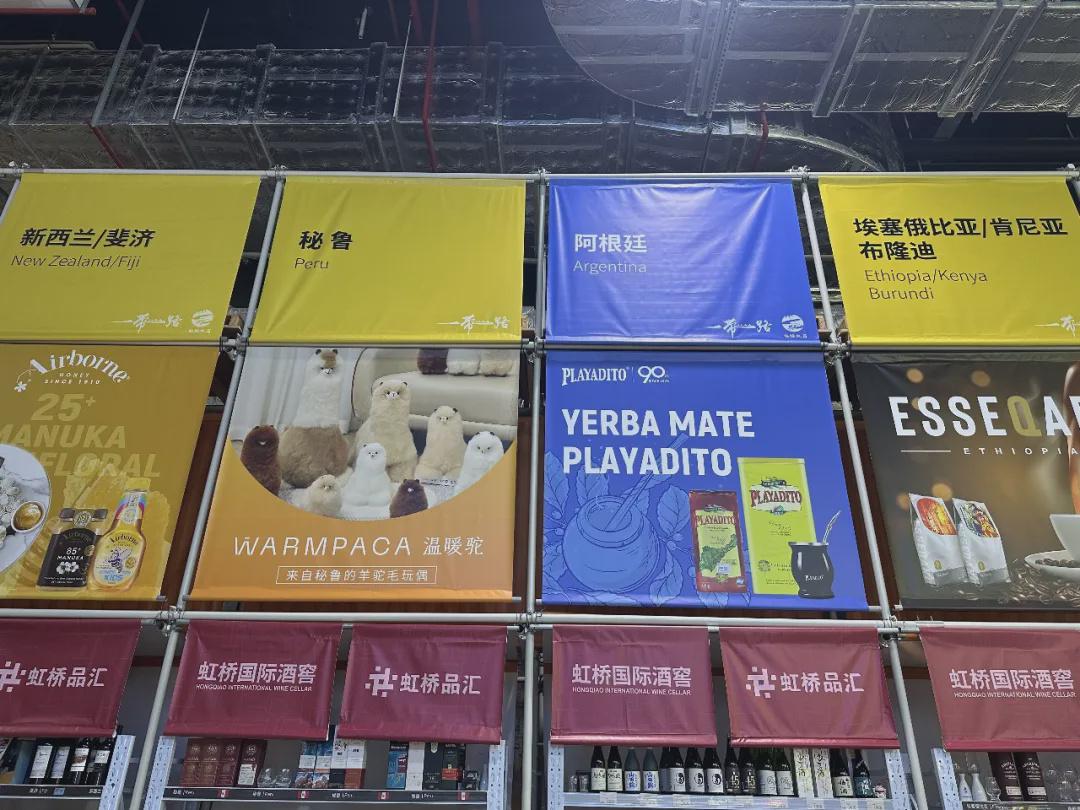
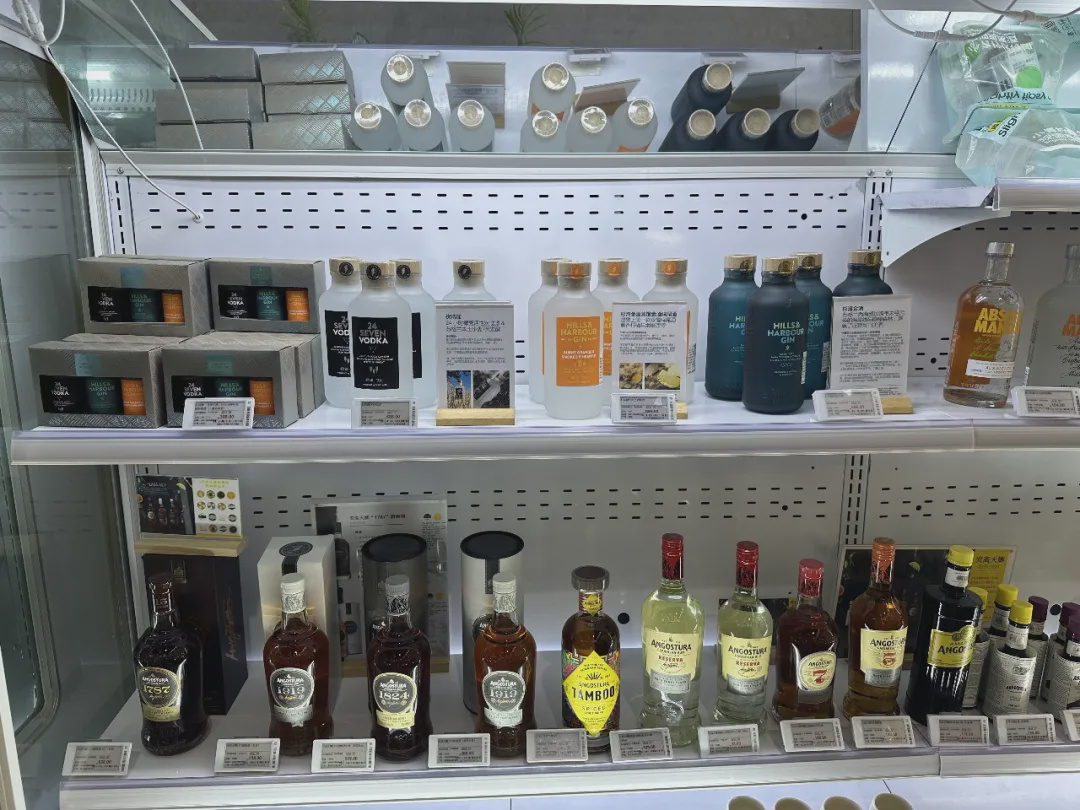
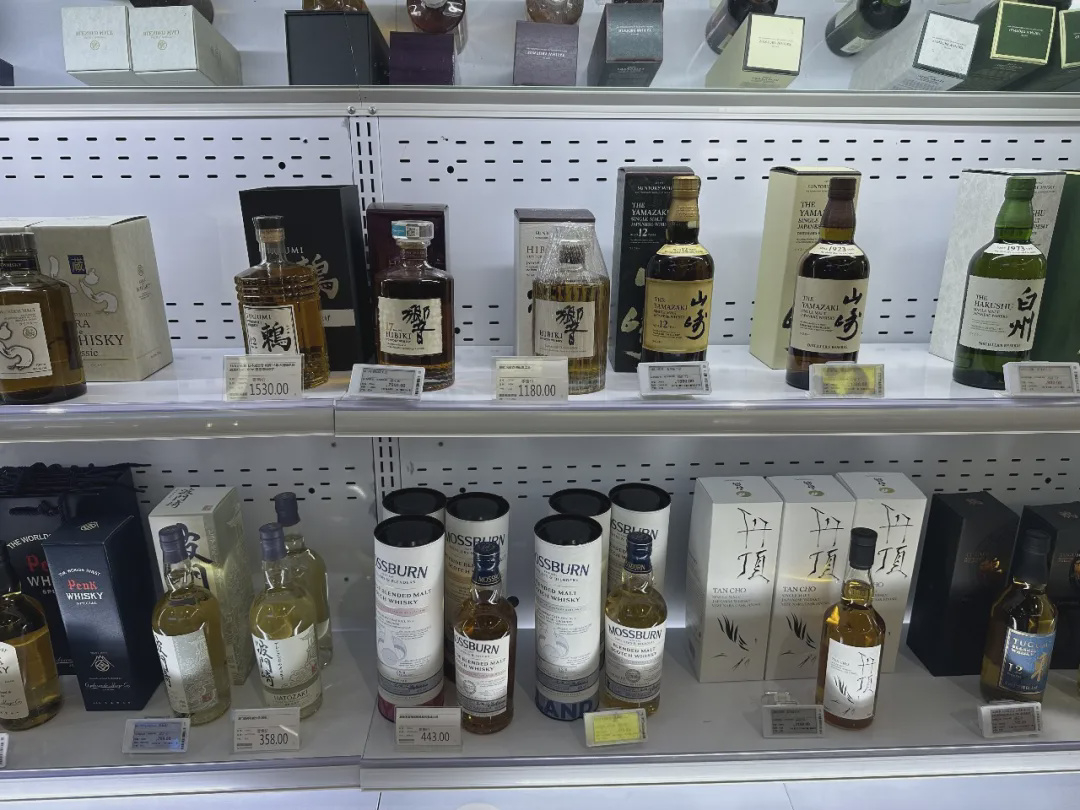
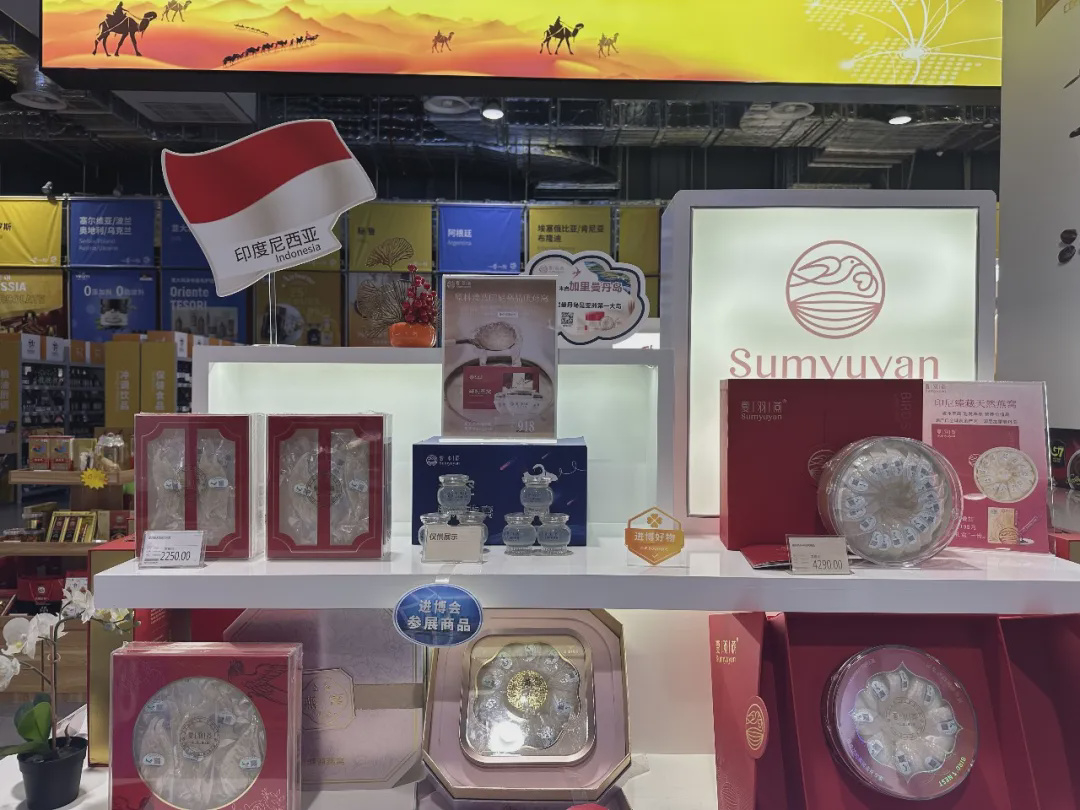
It wasn’t the polished feel of a gourmet supermarket. It had the feel of a warehouse: so much stuff, arranged a little haphazardly, that the more you looked, the harder it was to leave. Chilean red wine, Italian olive oil, Japanese seasonings, Korean snacks, German health supplements, French skincare, and piles of cheeses and hams whose names I couldn’t even pronounce.
The country of origin is clearly marked, and every product has a Chinese label. After all, these products have to clear customs, and the Expo has already checked them for you.
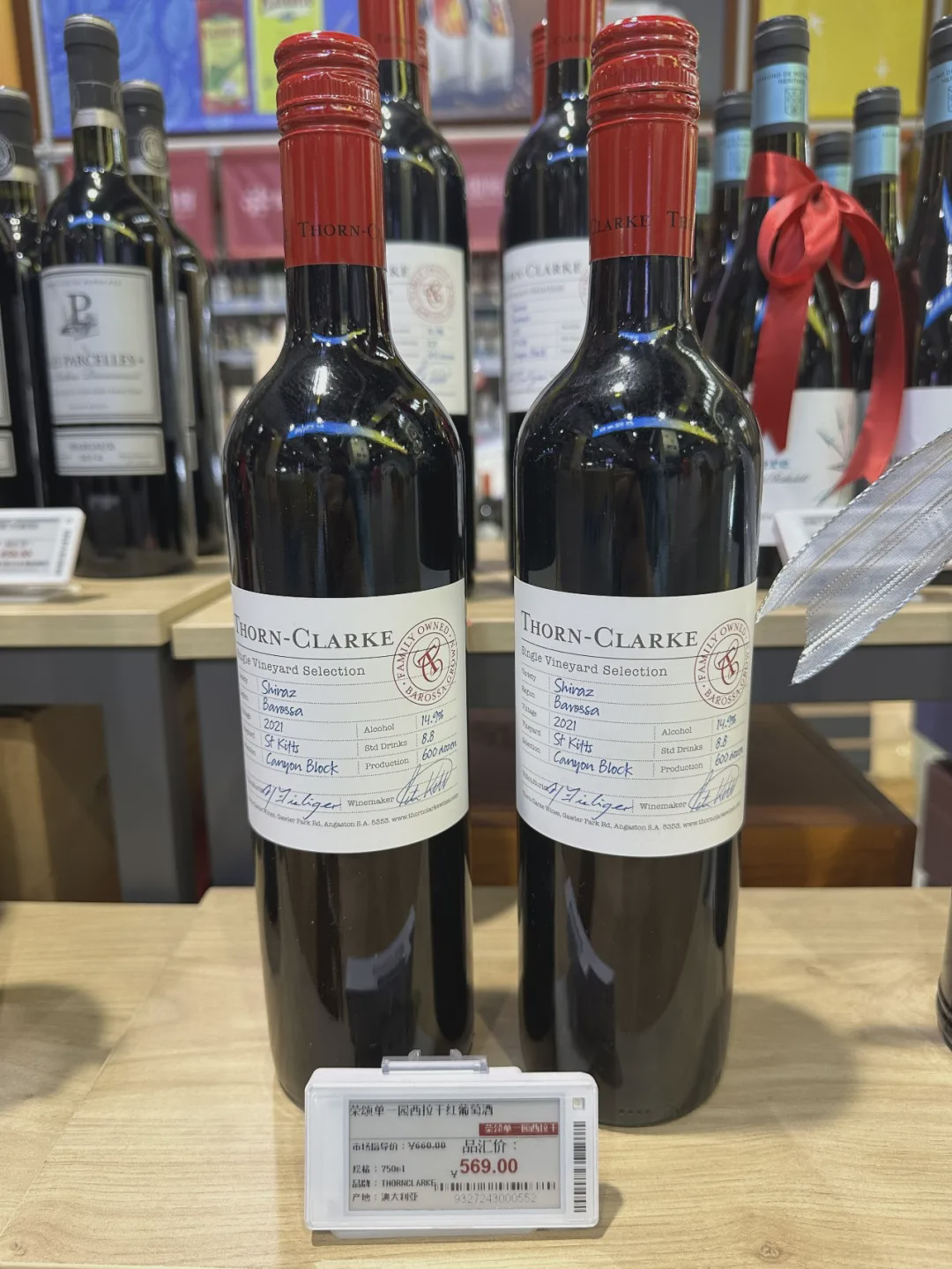
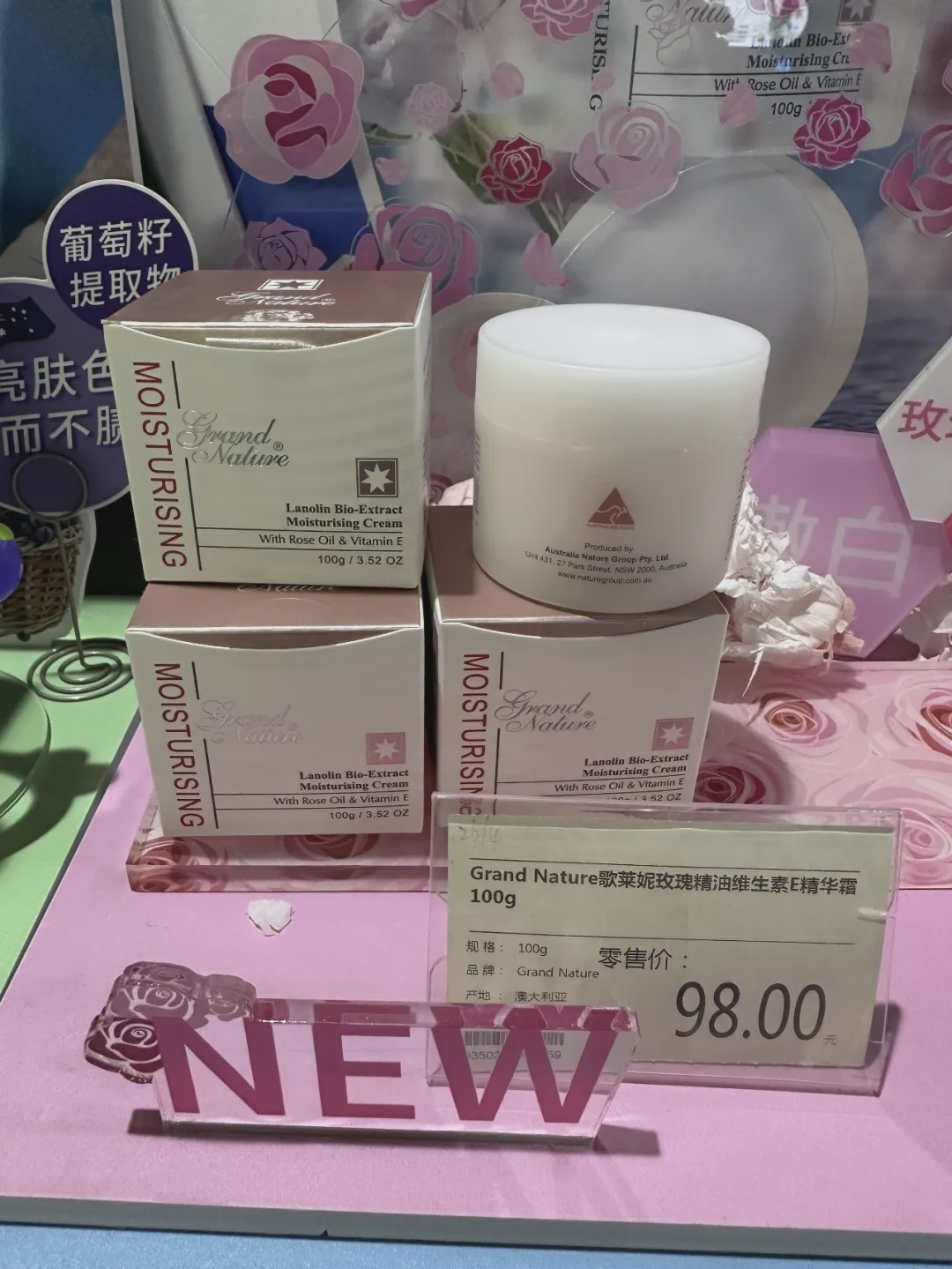
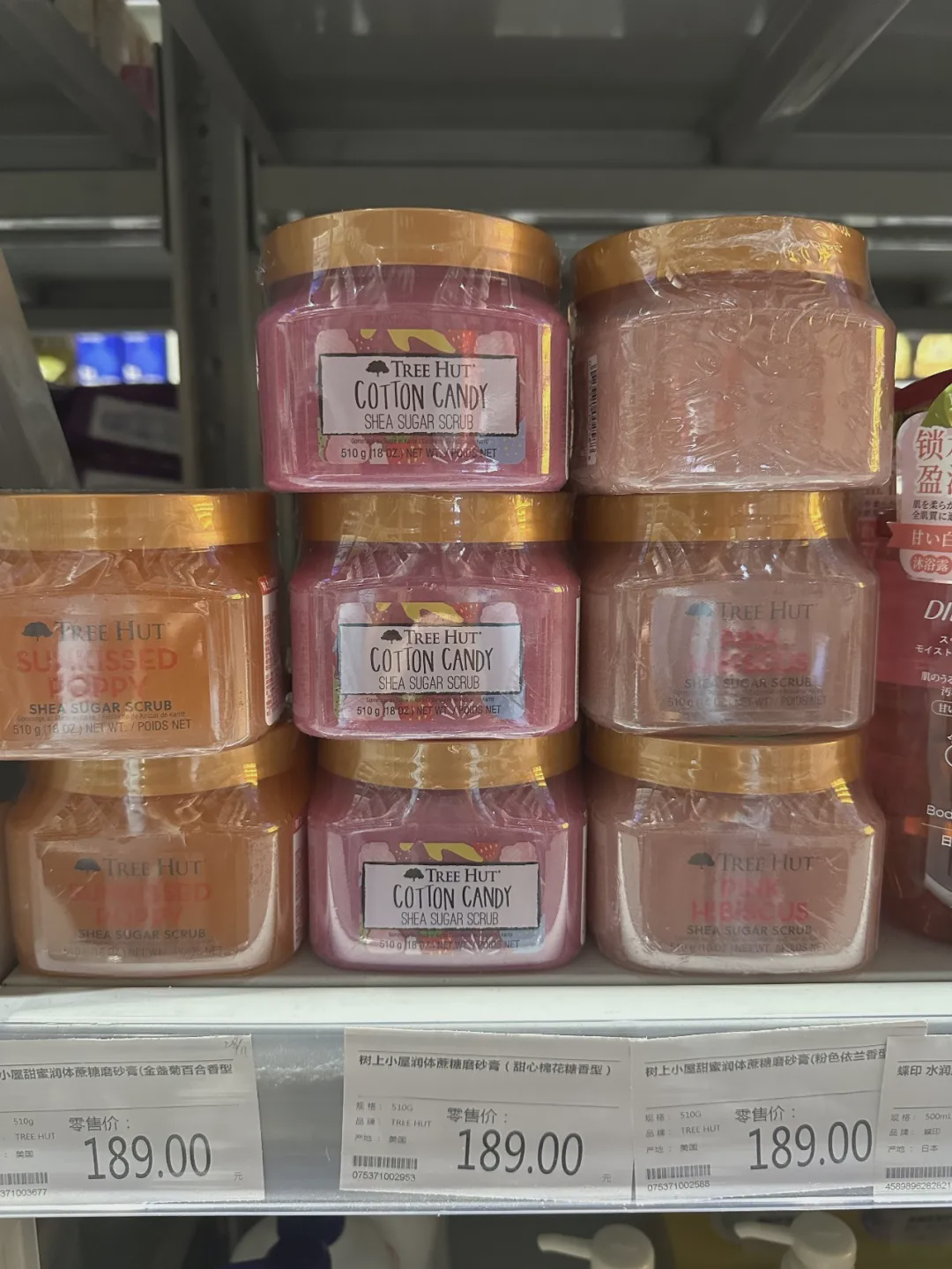
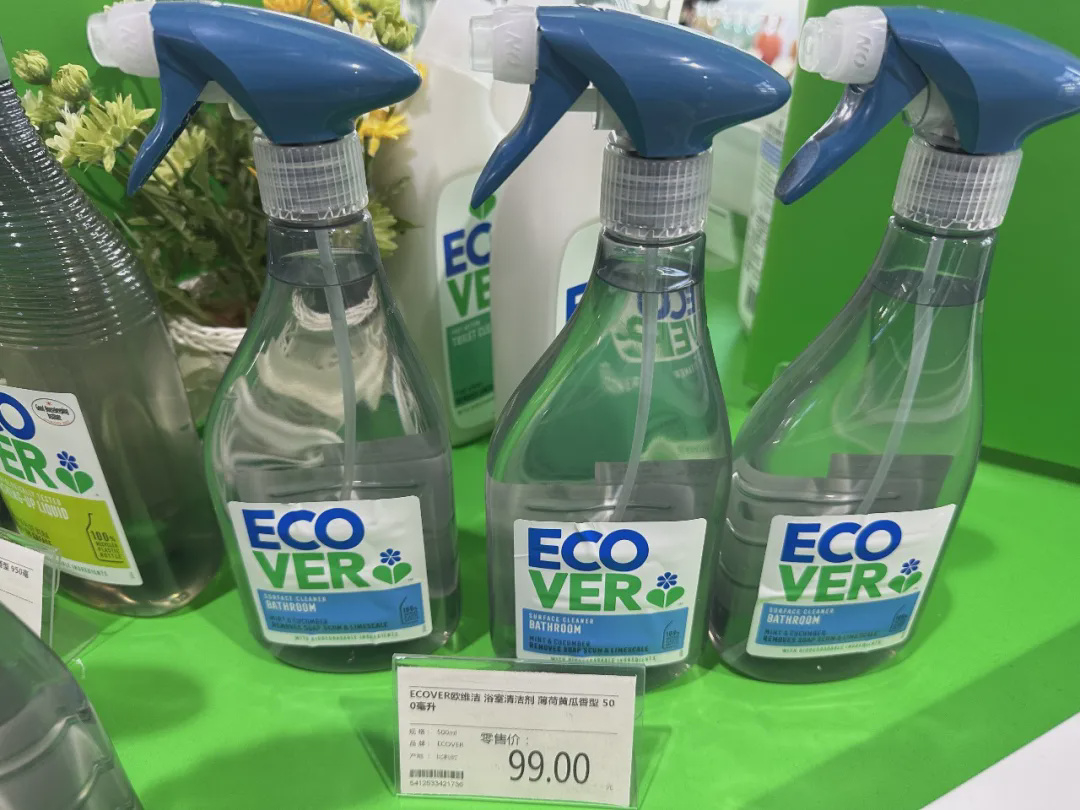
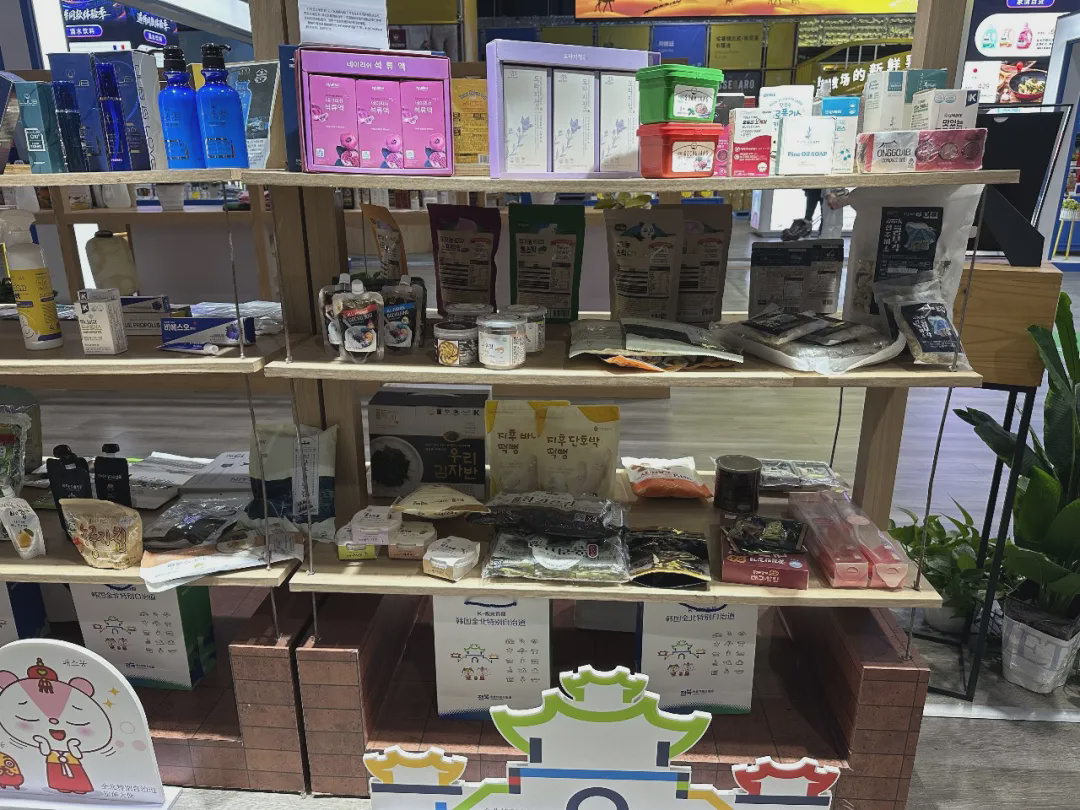
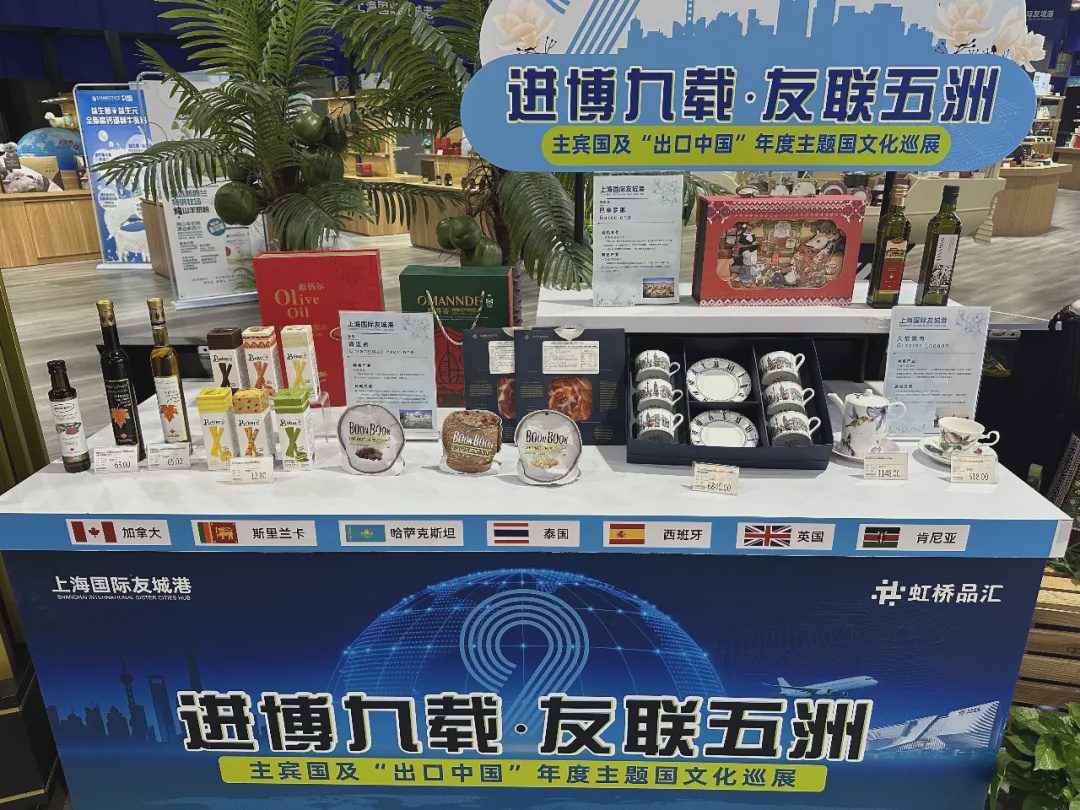
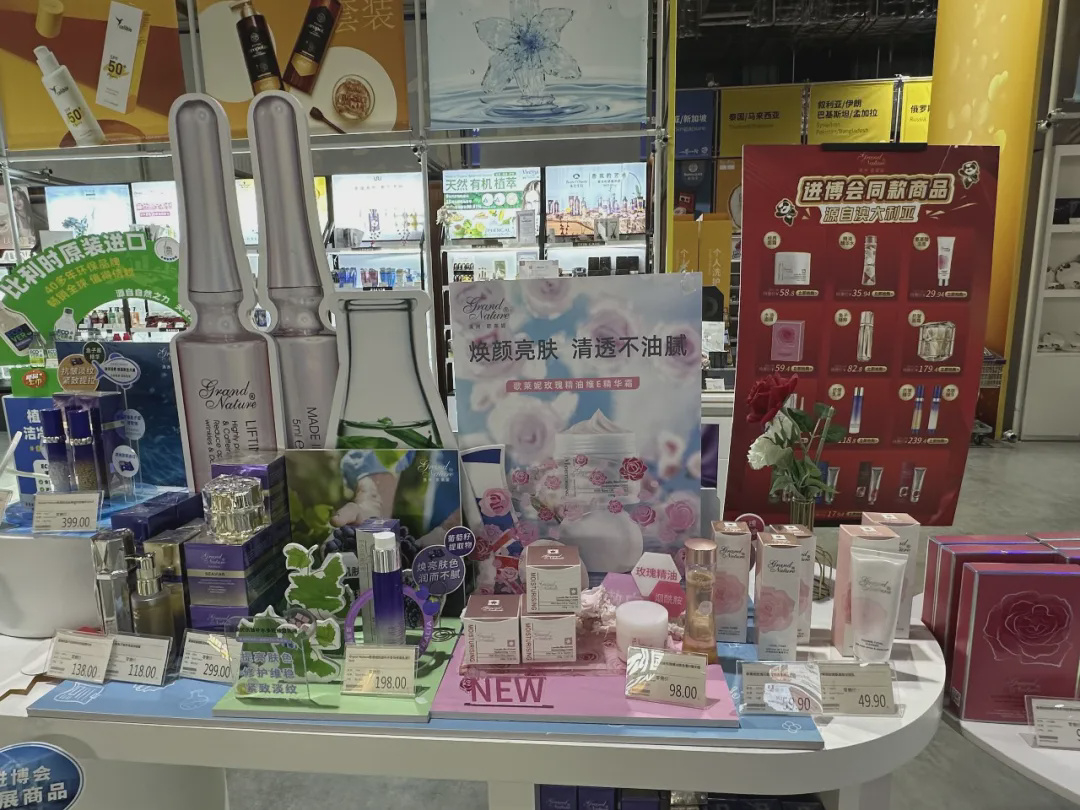
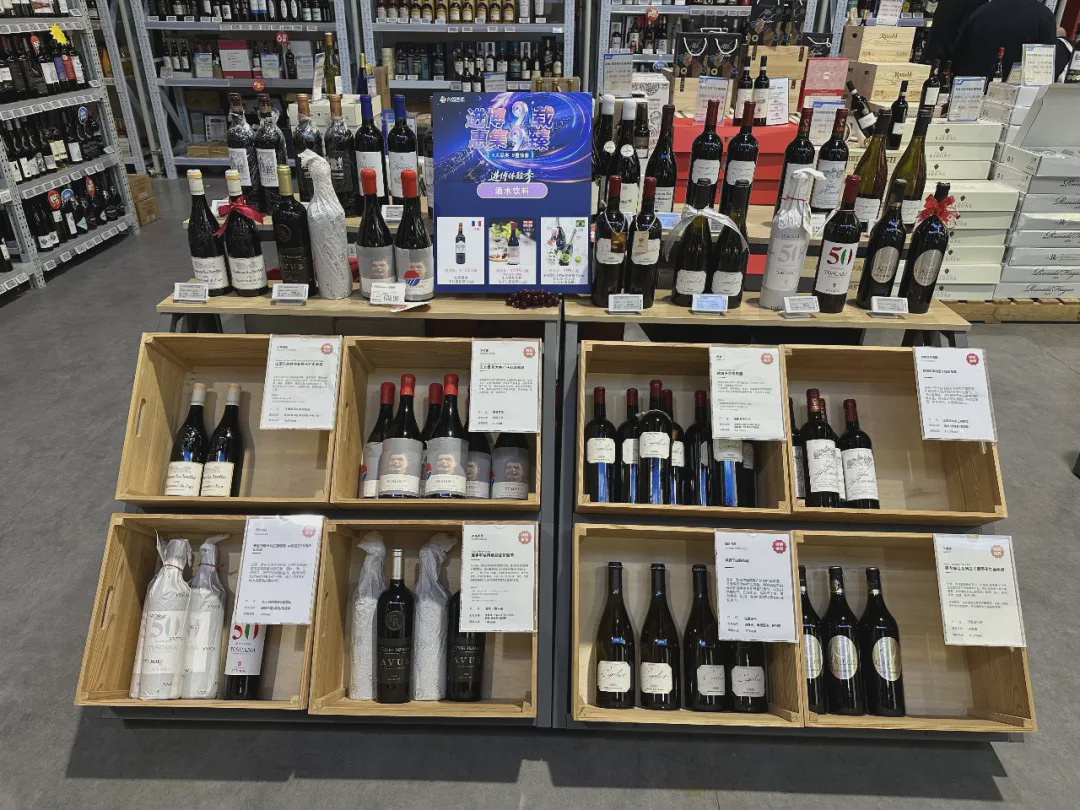
The prices aren’t the kind that say, “It’s imported, so it has to be expensive.” You can find discounts during promotions, and there’s room to negotiate if you buy in bulk. How much you can negotiate depends on the quantity.
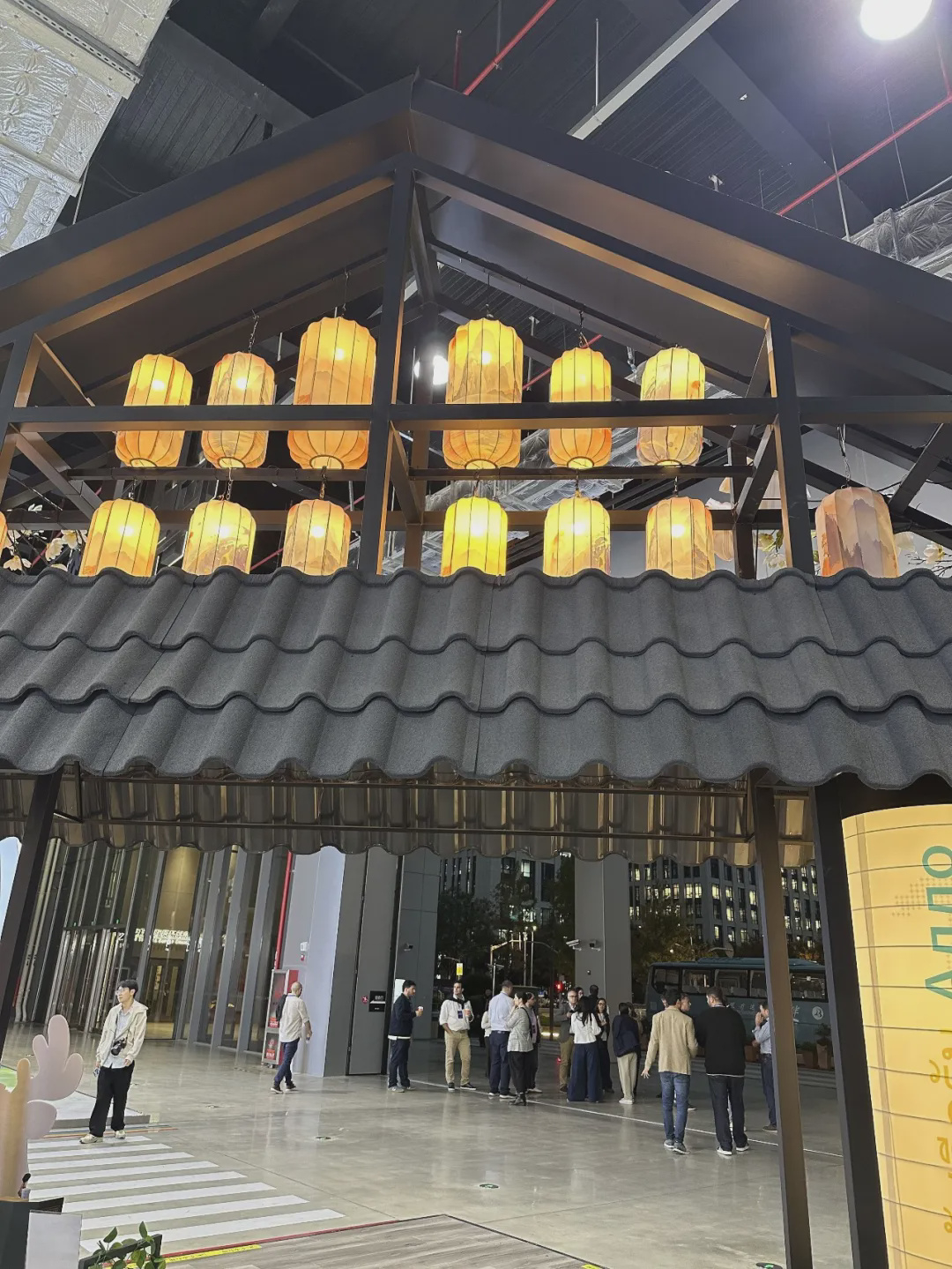
I spent two hours looking around, took some photos and videos, and included them in this article.
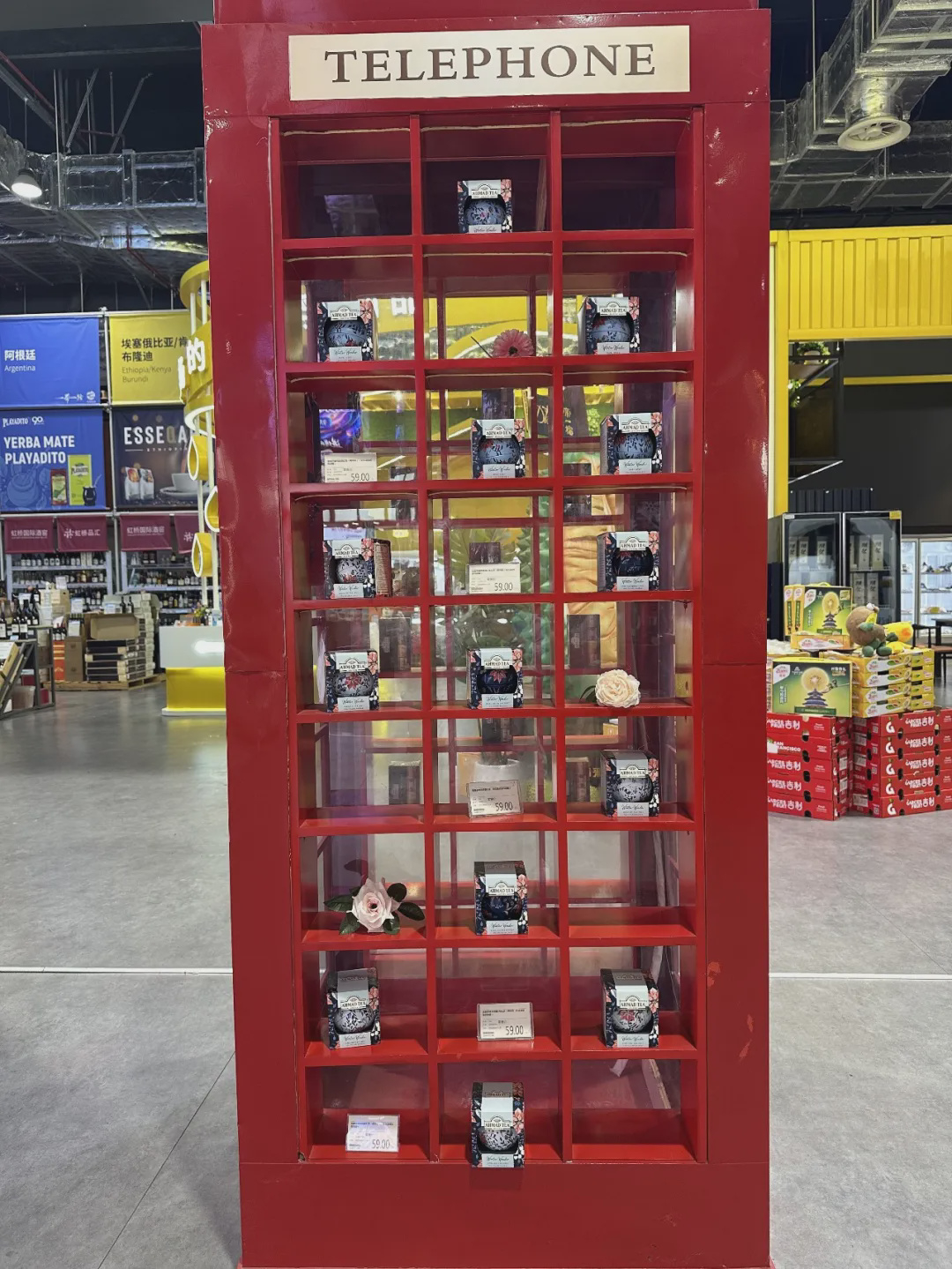
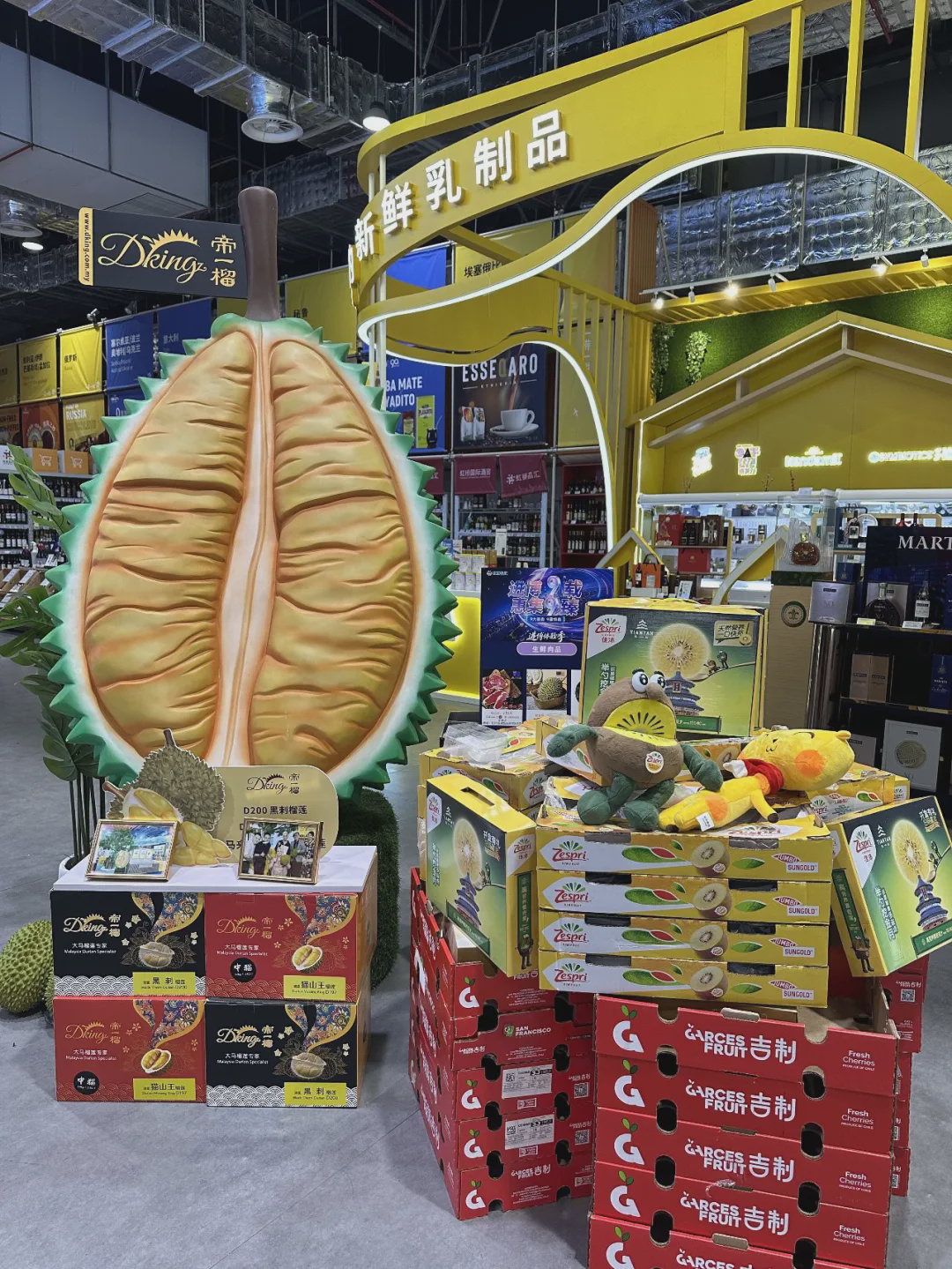
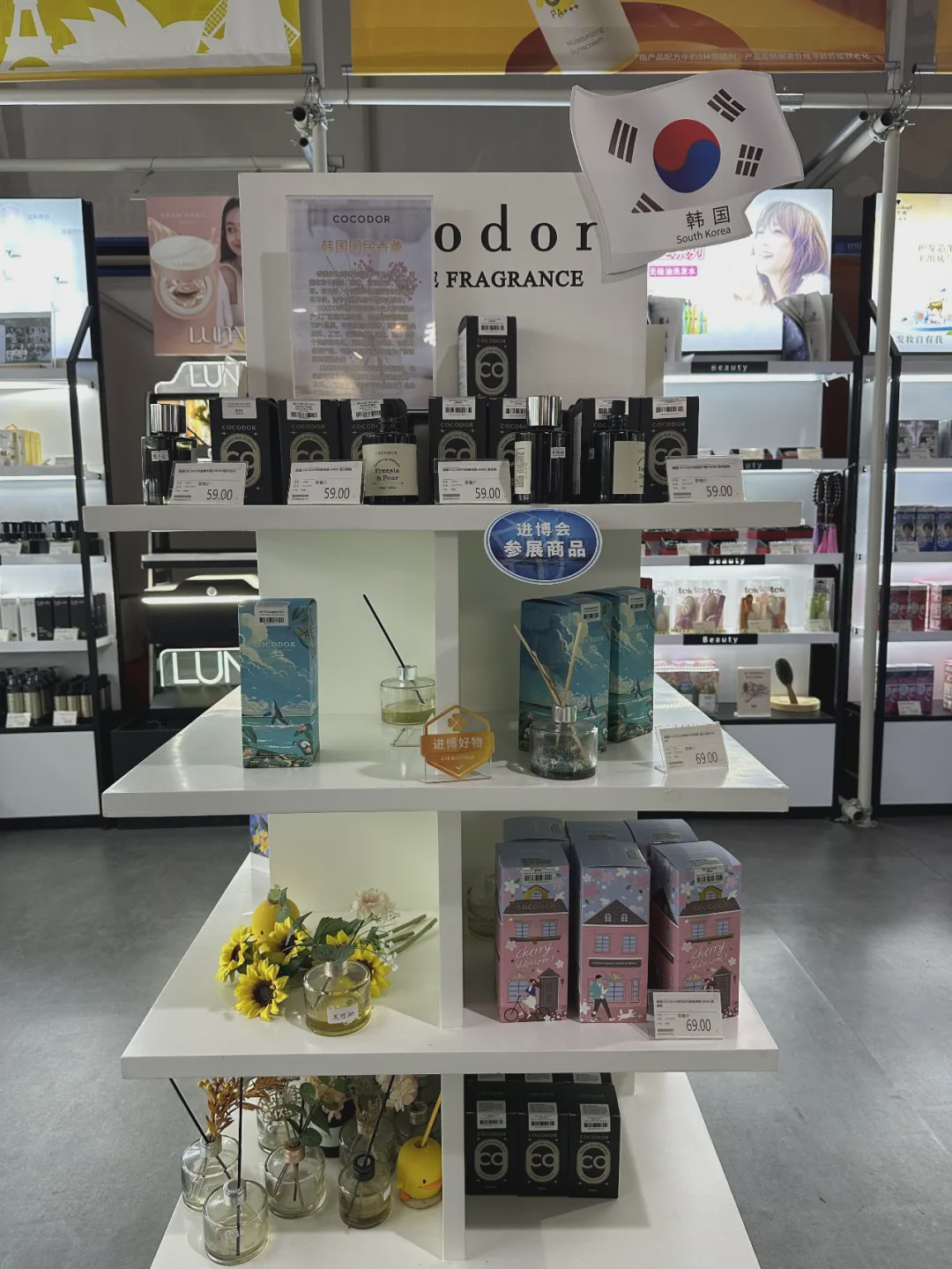
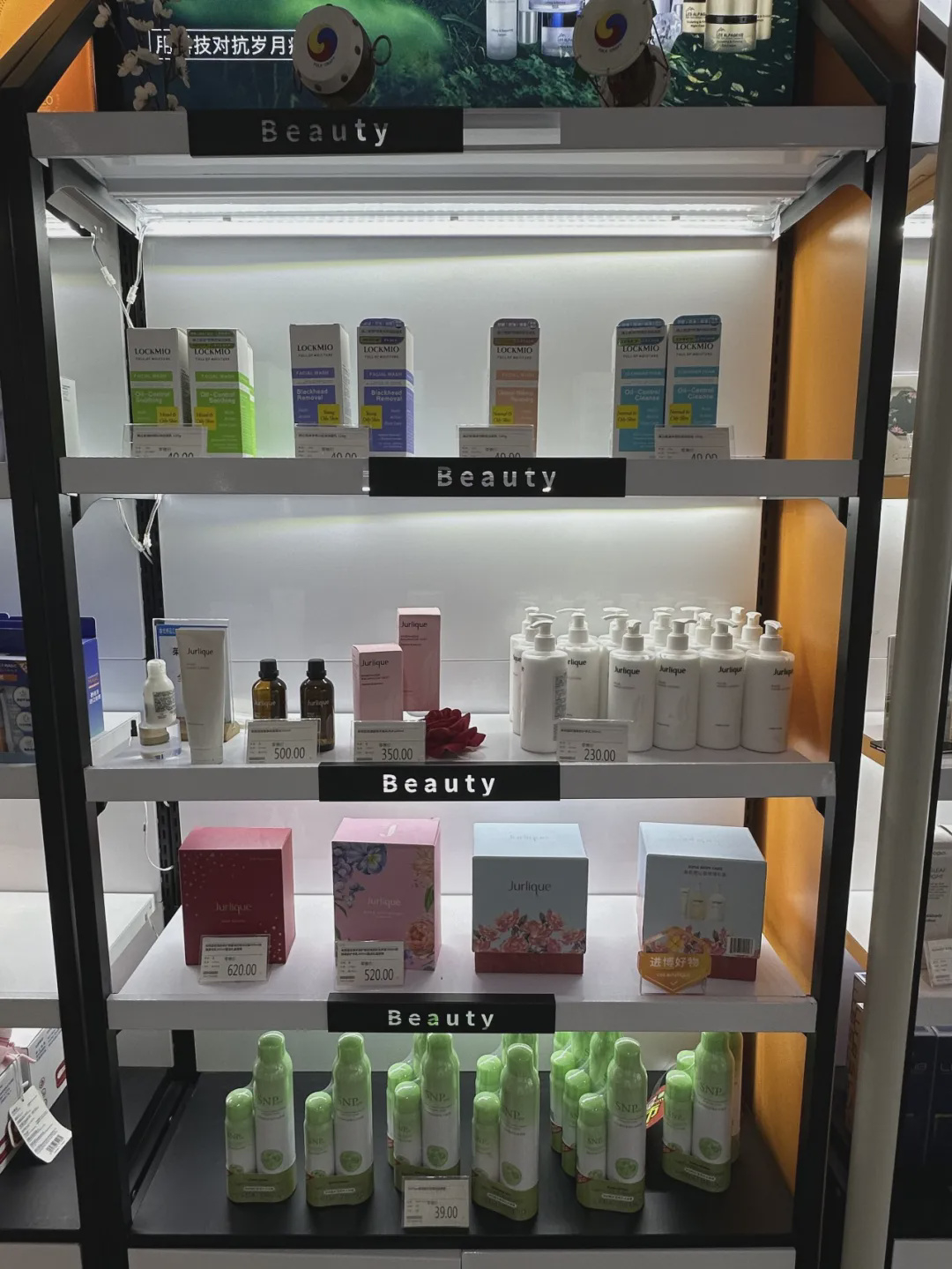
Now, to the point.
There’s an obvious gap here: the products are genuinely good, but the sales channels are genuinely blocked. It doesn’t sell online to ordinary consumers, so out of Shanghai’s more than 20 million residents, only a small handful can get these products—the people who live nearby and happen to know about the place.
Meanwhile, community group-buy organizers with groups of hundreds or even thousands of members, small supermarket owners, and people in charge of corporate benefits procurement are all looking for “products nobody else has.”
Put those two things together, and that’s a business opportunity.
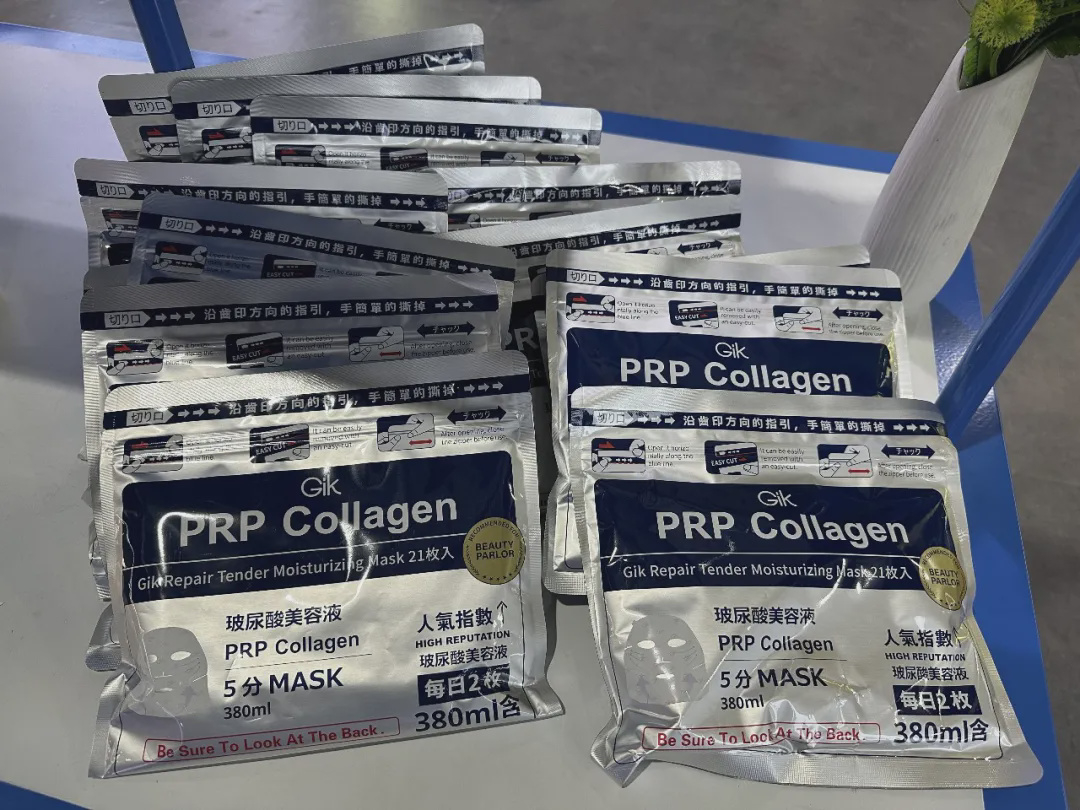
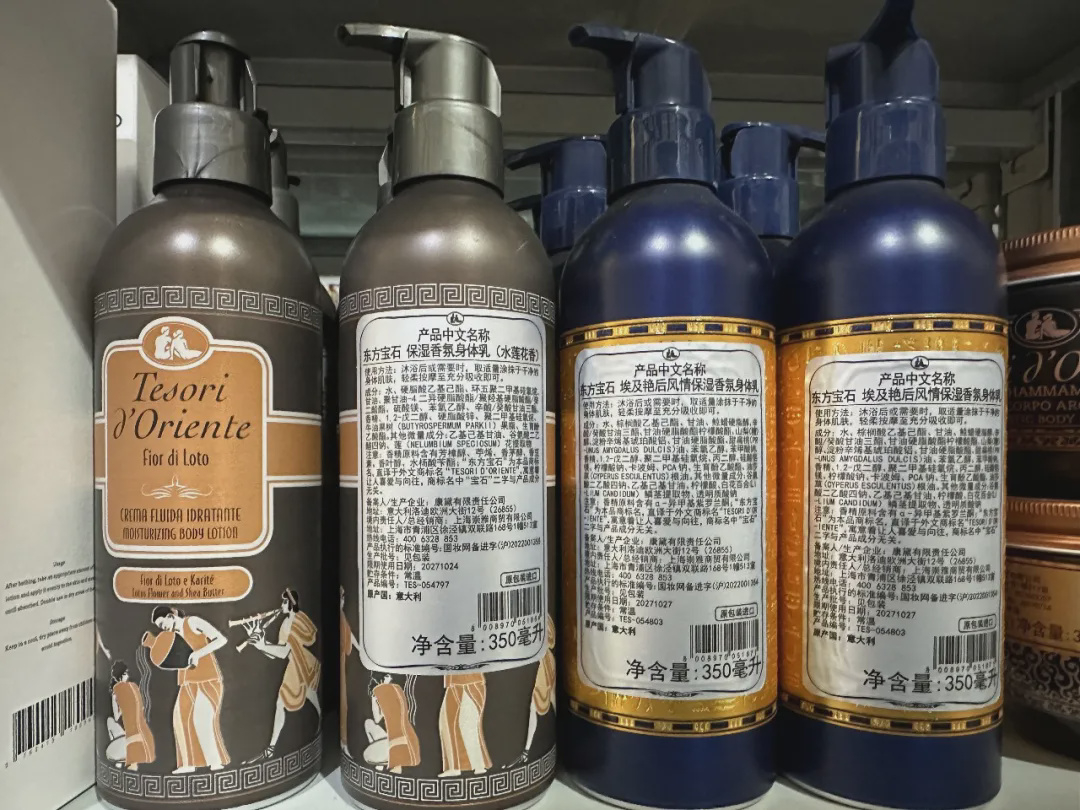
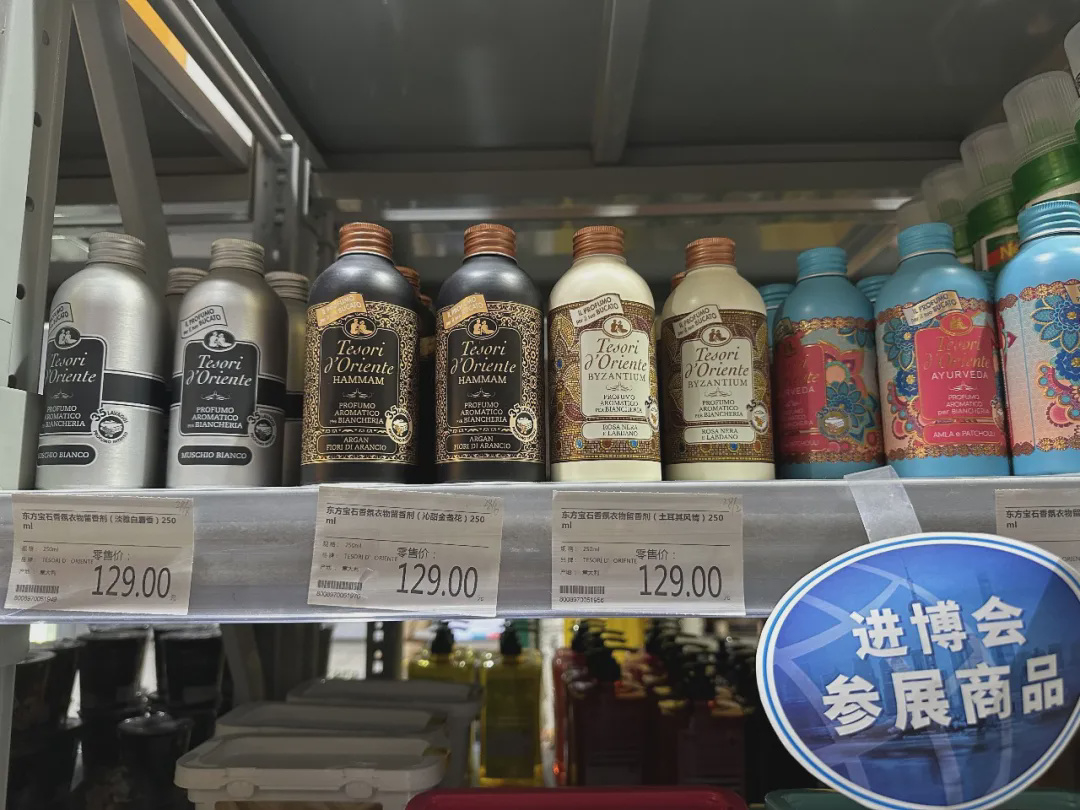
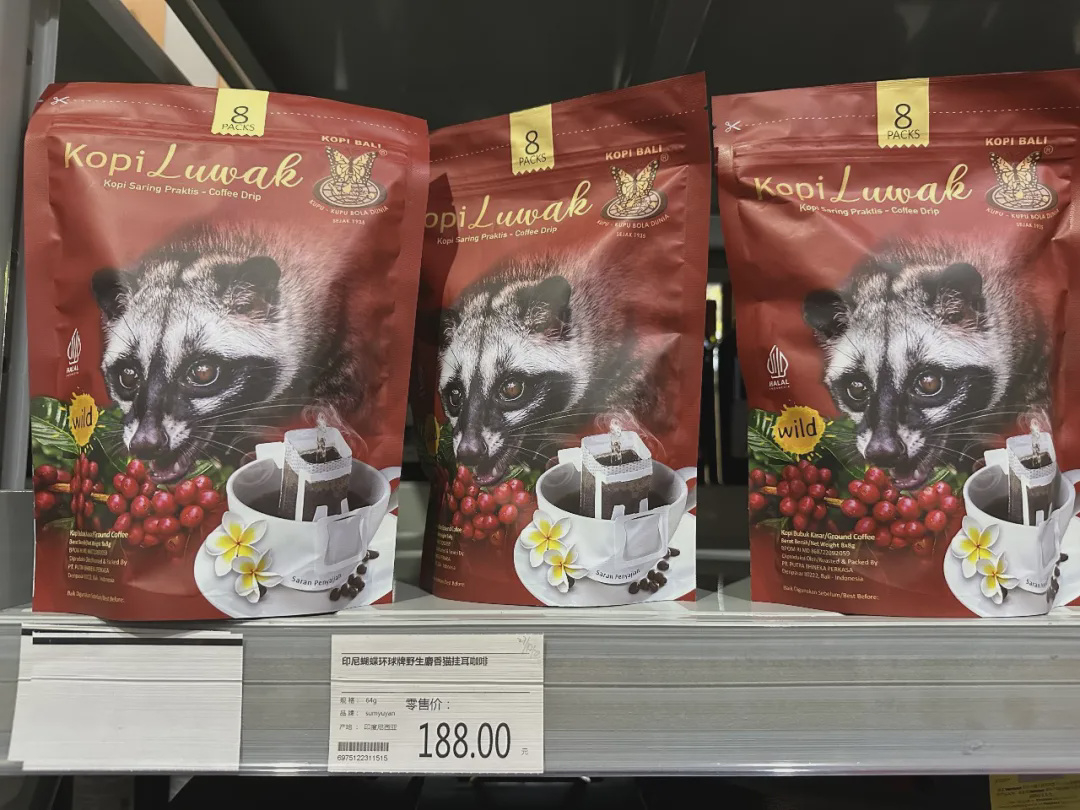
So let me make this clear:
If you run group-buying deals, have your own community, or your company needs to source employee benefits, and you’re interested in these imported products, message me privately. I can help connect you with suppliers and find out the product options, minimum order quantities, how to place an order, and what prices we can negotiate. You have the channels, I have the connections—it's a perfect fit.
If you just want to buy a few things for yourself, you can ask me too. I’ll tell you where and how to buy them.
I don’t stock products. If you want to buy, I’ll point you in the right direction. If you want to organize a group buy, I’ll make the introductions. I’ll be upfront about the commission I earn—I won’t hide it in the price.
I’ll keep going back and filming, sharing more great finds one by one. Follow along so you don’t miss out.
Get in touch—send me a direct message or leave a comment.