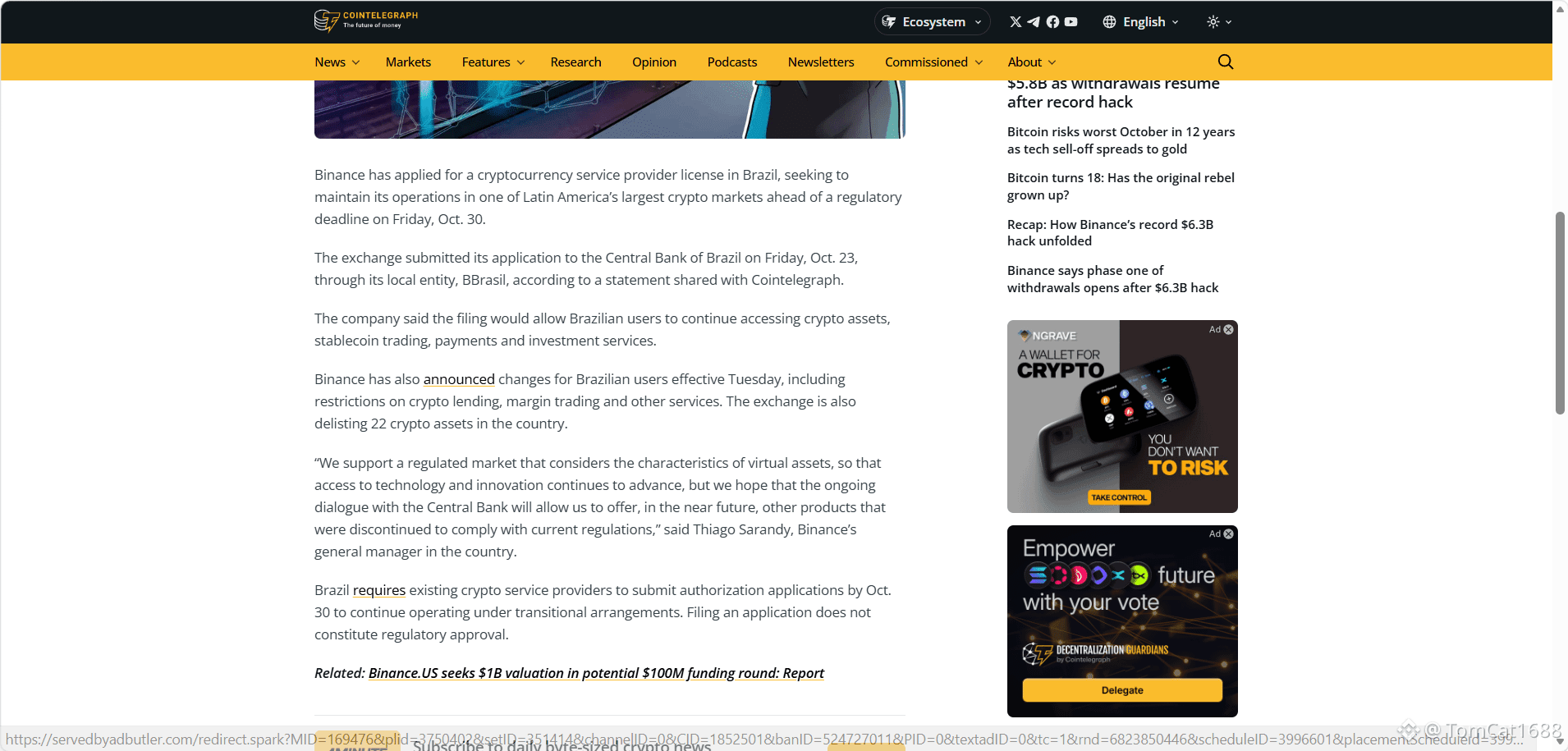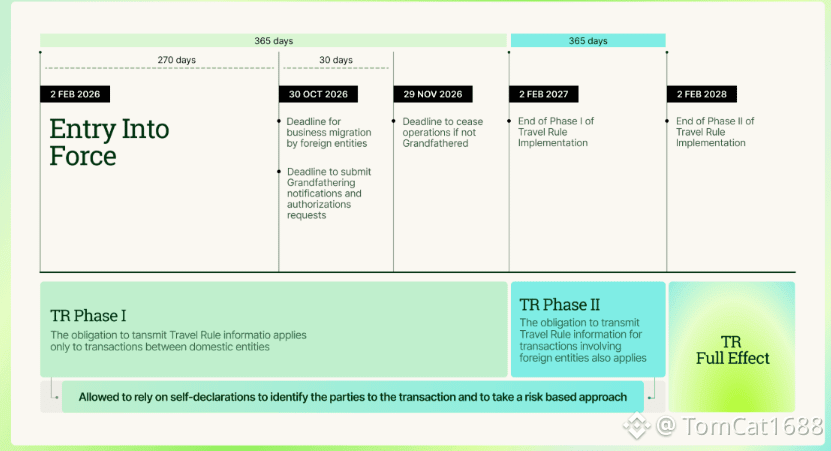
Applications for crypto licenses in Brazil closed on October 30. Public figures show that around 40 institutions submitted applications or are in the process of applying. The market had previously expected 150 to 200.
The actual number fell far short. The most obvious barrier is the required registered capital: 10.8 million to 37.2 million reais. More demanding still, from the day they submit an application, institutions must report the custody status of every client to the central bank daily, submit proof of reserves every month, provide three years of audited financial statements, and have an anti-money laundering process that can pass an audit. After doing the math, smaller platforms realized they couldn’t afford to meet these requirements.
The list of applicants includes Binance, OKX, Coinbase, Ripple, Nubank, and Brazil’s stock exchange, B3. Meanwhile, Bitso ended its direct-to-consumer retail business in Brazil, with Mercado Bitcoin taking over; Uphold withdrew entirely.
Brazil’s market is substantial. In 2025, Brazilians reported 505.5 billion reais in crypto transactions to the tax authority, up 21.5% year over year, with stablecoins accounting for about two-thirds.
Brazil ranked first in Chainalysis’s 2026 Global Adoption Index.
This round of applications is therefore more like a screening process. Only institutions that can meet the capital, audit, and daily custody reporting requirements can move on to the next stage; those that can’t will withdraw or become distribution channels for licensed institutions. Over the next two years, Brazil’s central bank will review applications one by one. If approvals are slow, users will first notice that fewer platforms are available.
#巴西虚拟资产牌照约40家机构申请