

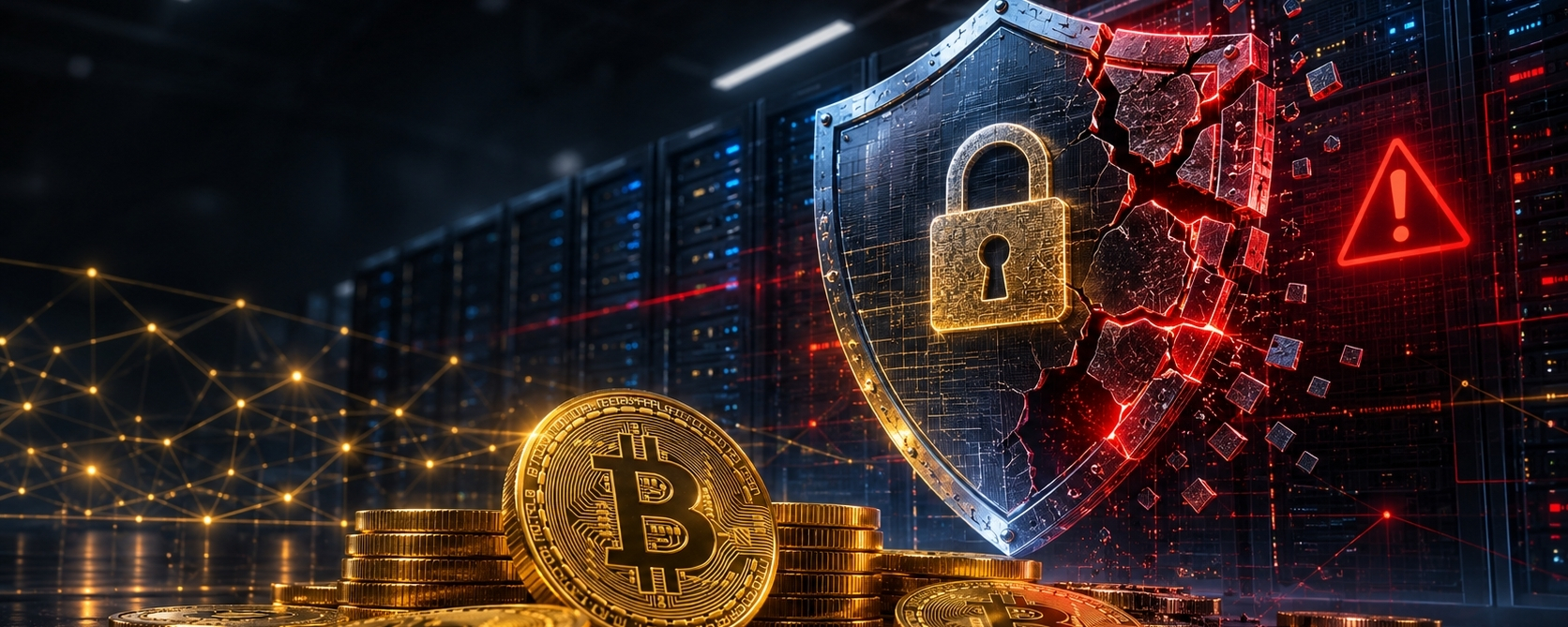

According to reports published on October 30–31, a massive security breach involving Binance resulted in an estimated $6.3 billion in cryptocurrency theft, potentially making it the largest crypto heist ever reported.
But the biggest question isn't simply how much money was stolen.
It's whether centralized exchanges are becoming too big to fail — or too vulnerable to trust blindly.
🔍 What Actually Happened?
The reported attack involved unauthorized withdrawals over approximately 20 minutes.
Investigators have pointed toward a sophisticated operation potentially involving compromised employee systems and vulnerabilities in withdrawal-processing infrastructure.
Blockchain security analysts have linked the suspected attackers to North Korea's TraderTraitor group, although attribution remains an investigative matter.
Here are some important developments:
- Approximately $6.3 billion in reported losses.
- Around $3 billion in assets reportedly frozen by crypto operators.
- Binance stated it would cover customer losses.
- Other major exchanges began reviewing their security infrastructure.
- Investigators and industry participants called for stronger cooperation between exchanges.
Sources: Reuters, ABC News and Le Monde.
🧠 Why Does This Matter for the Entire Crypto Market?
This incident highlights three major problems.
1. Exchange security is everyone's problem
Most investors focus on price movements, technical indicators and potential returns.
But security is equally important.
Even if Bitcoin's blockchain remains operational, the platforms people use to store, trade and withdraw their assets can become targets.
2. Trust is an asset
Centralized exchanges operate largely on trust.
Users deposit money because they expect their assets to remain accessible whenever they need them.
A major security incident can damage that confidence and influence market sentiment much faster than many economic announcements.
3. The industry needs stronger cooperation
Crypto exchanges cannot operate as isolated financial islands.
Real-time threat intelligence, better withdrawal monitoring, stronger employee security and coordinated responses could help prevent future incidents.
📉 What Could Happen Next?
There are two possible scenarios worth watching.
Bullish scenario:
If Binance successfully manages the incident, protects customers and restores confidence, the market could eventually treat this as a temporary security shock.
Bearish scenario:
If investigations uncover additional vulnerabilities or further losses, investors could reduce their exposure to centralized exchanges, creating additional selling pressure.
Neither scenario is guaranteed.
🛡️ What Should Ordinary Crypto Investors Learn?
Personally, I think this incident reinforces a few basic principles:
- Never keep your entire portfolio on one exchange.
- Enable two-factor authentication.
- Use withdrawal address whitelisting.
- Never share API keys or account credentials.
- Consider self-custody if you understand how to manage private keys safely.
- Never confuse a popular exchange with a risk-free investment.
Self-custody also comes with responsibility: losing your recovery phrase can mean permanently losing access to your funds.
💭 My Final Thoughts
Crypto was supposed to give people greater financial freedom.
But financial freedom means very little if investors cannot confidently protect their assets.
This incident should encourage the entire industry to invest more in security, transparency and accountability.
The next major crypto bull run won't just depend on Bitcoin reaching new highs or another altcoin delivering 100% returns.
It will also depend on whether people can trust the infrastructure supporting this market.
One question for the community:
After this incident, would you still keep 100% of your crypto portfolio on a centralized exchange like Binance, or would you move a portion into a personal wallet?
Let's discuss.
#Binance #CryptoNews #Bitcoin #Blockchain
Disclaimer: This article is for educational and informational purposes only. It is not financial advice. Reported figures and investigations may change as more information becomes available.