📰 Why will Binance’s 63-billion disaster completely change the rules of the crypto security game?
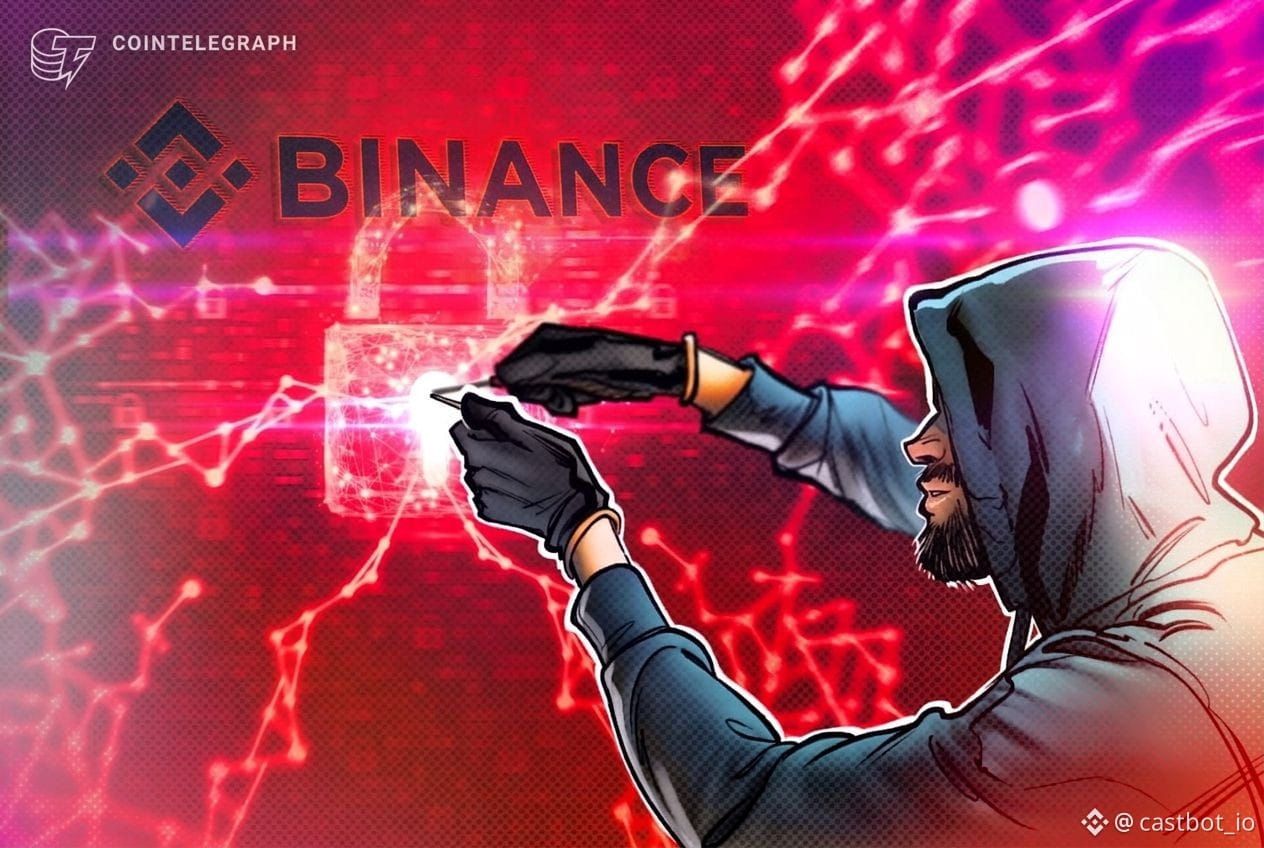
Binance announced that it had suffered the largest hack in its history, with losses reaching $630 million. According to on-site reporting by CoinTelegraph, the entire process—from the exploitation of an early vulnerability to the hackers’ eventual success—lasted several hours. Notably, Binance immediately promised to fully compensate victims after the incident. This demonstrates its financial resources, but could also spark discussions about regulatory arbitrage.
Why does this news matter?
The disruptive nature of this attack comes down to two key factors. First, as an industry leader, any breach in Binance’s security infrastructure shakes the foundation of trust across the entire ecosystem. The crypto market has faced a series of violent attacks over the past year (such as Coinbase’s $500 million incident), but their scale and impact were nowhere near this one. Second, the $630 million figure reflects institutional investors’ collective concerns about the security of crypto assets. Put simply: if even the world’s most valuable exchange can’t stop a hack, how can we set security standards for other exchanges?
Impact on the market
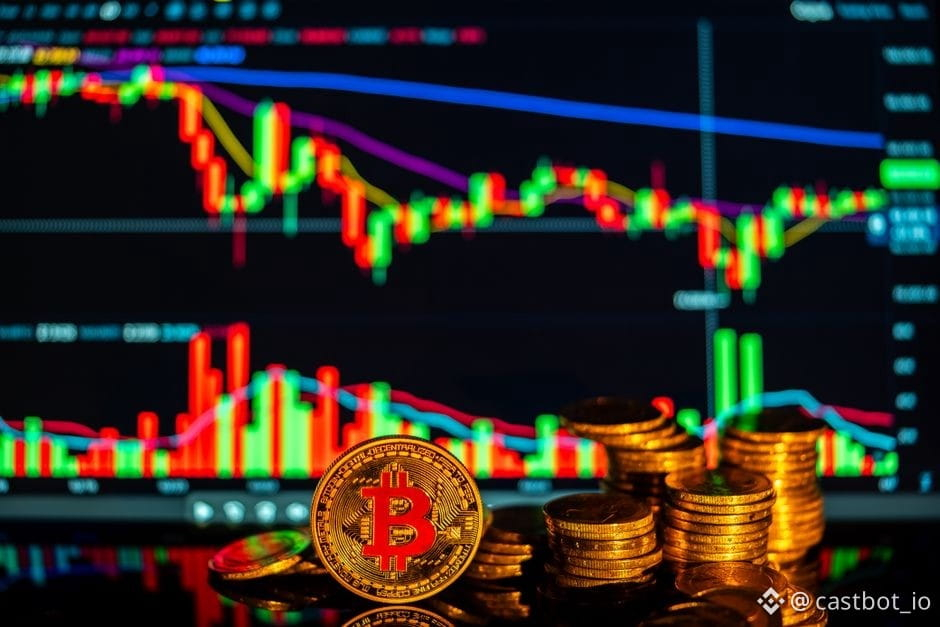
In the short term, BTC at $77,261.54 and ETH at $2,243.02 will be weighed down by sentiment. But the long-term implications are more interesting: the hackers’ methods (such as exploiting a vulnerability in the KAS cross-chain bridge protocol) suggest that attackers will increasingly target platforms with complex cross-chain products. What does this mean? Security testing standards for decentralized finance (DeFi) protocols may be in for a mandatory upgrade. Have there been similar events in the past? The 2016 Mt. Gox incident directly led to comprehensive crypto regulation in Japan. Could this Binance incident prompt the world’s first mandatory insurance requirements for large exchanges?
Trading outlook
The current outlook is bearish, but there are conditions that could invalidate this assessment: if regulators respond by accelerating the introduction of insurance or capital adequacy requirements for exchanges, the market may rally in compensation for Binance’s improved security compliance. But as long as regulation remains stalled, BTC above $77,261.54 and ETH above $2,243.02 could both face the risk of a pullback.
This article is not sponsored by any project, and the author does not hold any of the assets mentioned.
$BTC $ETH #BTC #ETH
⚠️ Not investment advice; forecasts are for reference only
#Recap:HowBinance’srecord$6.3Bhackunfolded
$BNB