

Lin Wanqing
86 Posts

Lin Wanqing
Report
Block User
探索 Web3、加密货币市场与数字创新。以冷静、理性的视角,分享深度见解、市场观察与专业知识。
1 Following
52 Followers
90 Liked
Posts
PINNED
·
--
Bullish
#binancepick
🚀 BINANCE PICK: A 1,000,000 USDC REWARD CAMPAIGN — WHAT SHOULD CRYPTO USERS WATCH?
Binance Pick has been associated with a reported 1,000,000 USDC reward campaign, drawing attention to competition-based crypto engagement and reward programs.
But beyond the headline figure, the important question is how the campaign works and what participants should understand before joining.
🔍 Why It Matters
Reward campaigns can encourage user participation, increase platform activity, and attract attention to crypto-related products. However, a large advertised reward pool does not automatically translate into equal payouts for participants or sustained market demand.
📊 What Traders Should Consider
• Reward distribution: Understand how leaderboard rankings, weekly rewards, and eligibility requirements affect potential payouts.
• Actual participation: User engagement matters more than the headline reward amount when assessing a campaign's reach.
• Market impact: Increased platform activity does not necessarily create buying pressure for BTC or other cryptocurrencies. Any broader market effect would need independent confirmation.
⚠️ Verify Before Participating
The reported campaign dates are October 21 to November 15, 2026. Check Binance Pick's official announcement for the latest terms, eligibility rules, reward distribution, and any applicable restrictions before taking part.
🎯 My Take
A reward campaign can be attractive, but the headline number is only one part of the story. For crypto users, understanding the rules, assessing the effort required, and verifying the source are more useful than chasing rewards based on hype.
The key question isn't just how large the reward pool is—it's how the campaign actually delivers value to participants.
#Binance #CryptoNews #USDC #CryptoMarket
$XRP $ETH $LINK
{future}(LINKUSDT)
{future}(ETHUSDT)
{future}(XRPUSDT)
#binancepick
🚀 BINANCE PICK: A 1,000,000 USDC REWARD CAMPAIGN — WHAT SHOULD CRYPTO USERS WATCH?
Binance Pick has been associated with a reported 1,000,000 USDC reward campaign, drawing attention to competition-based crypto engagement and reward programs.
But beyond the headline figure, the important question is how the campaign works and what participants should understand before joining.
🔍 Why It Matters
Reward campaigns can encourage user participation, increase platform activity, and attract attention to crypto-related products. However, a large advertised reward pool does not automatically translate into equal payouts for participants or sustained market demand.
📊 What Traders Should Consider
• Reward distribution: Understand how leaderboard rankings, weekly rewards, and eligibility requirements affect potential payouts.
• Actual participation: User engagement matters more than the headline reward amount when assessing a campaign's reach.
• Market impact: Increased platform activity does not necessarily create buying pressure for BTC or other cryptocurrencies. Any broader market effect would need independent confirmation.
⚠️ Verify Before Participating
The reported campaign dates are October 21 to November 15, 2026. Check Binance Pick's official announcement for the latest terms, eligibility rules, reward distribution, and any applicable restrictions before taking part.
🎯 My Take
A reward campaign can be attractive, but the headline number is only one part of the story. For crypto users, understanding the rules, assessing the effort required, and verifying the source are more useful than chasing rewards based on hype.
The key question isn't just how large the reward pool is—it's how the campaign actually delivers value to participants.
#Binance #CryptoNews #USDC #CryptoMarket
$XRP $ETH $LINK

11
4
51
57.4k
·
--
Bearish
🛑🛑🚨#SuspectedNorthKoreaAttacksAccountForNearly89%OfCryptoHackLosses
🚨 NORTH KOREA-LINKED HACKERS ACCOUNT FOR 89% OF CRYPTO HACK LOSSES
🔎 What's Happening?
Suspected North Korean-linked hackers reportedly account for nearly 89% of crypto hack losses, raising serious concerns about security across the digital asset industry.
⚠️ Why It Matters
Major crypto hacks can damage investor confidence, trigger market uncertainty, and expose weaknesses in exchanges and blockchain projects.
📊 Market Perspective
This news doesn't automatically mean crypto prices will fall. However, security concerns could influence investor sentiment and increase attention toward safer platforms.
💡 My Take
Crypto growth depends on more than price action. Strong security, transparency, and protecting user funds are essential for long-term trust.
In crypto, protecting your assets is just as important as finding opportunities. 🔐
#CryptoSecurity #Blockchain #BinanceSquare
$LSK $BEAMX $PARTI
{future}(PARTIUSDT)
{future}(BEAMXUSDT)
{future}(LSKUSDT)
🛑🛑🚨#SuspectedNorthKoreaAttacksAccountForNearly89%OfCryptoHackLosses
🚨 NORTH KOREA-LINKED HACKERS ACCOUNT FOR 89% OF CRYPTO HACK LOSSES
🔎 What's Happening?
Suspected North Korean-linked hackers reportedly account for nearly 89% of crypto hack losses, raising serious concerns about security across the digital asset industry.
⚠️ Why It Matters
Major crypto hacks can damage investor confidence, trigger market uncertainty, and expose weaknesses in exchanges and blockchain projects.
📊 Market Perspective
This news doesn't automatically mean crypto prices will fall. However, security concerns could influence investor sentiment and increase attention toward safer platforms.
💡 My Take
Crypto growth depends on more than price action. Strong security, transparency, and protecting user funds are essential for long-term trust.
In crypto, protecting your assets is just as important as finding opportunities. 🔐
#CryptoSecurity #Blockchain #BinanceSquare
$LSK $BEAMX $PARTI

1
638
·
--
Bullish
#YiHe:ProofOfReserves:10TokensAt100%Backing
🚨 YI HE: 10 TOKENS REPORTED AT 100% BACKING — WHAT IT MEANS FOR CRYPTO
🔎 What Happened?
Yi He highlighted a report involving 10 tokens with 100% backing, bringing attention to exchange transparency, asset reserves, and user confidence.
Proof of Reserves is an important part of understanding whether an exchange holds assets to support customer balances. However, reserve percentages alone cannot tell the complete story.
📊 Why It Matters
In crypto, trust is closely connected to transparency. When exchanges provide verifiable reserve information, users can better evaluate how their assets are supported.
But 100% backing does not automatically guarantee complete financial security. Investors should also consider liabilities, independent verification, and whether assets remain accessible during market stress.
📈 Potential Market Impact
Credible reserve disclosures could strengthen confidence in centralized exchanges and reduce uncertainty among users.
However, this development alone does not guarantee a Bitcoin rally or an altcoin breakout. Market direction still depends on liquidity, investor demand, macroeconomic conditions, and broader sentiment.
🧠 My Trader Perspective
The most important question is not just whether an exchange claims 100% backing.
It's whether users can independently verify the reserves, understand the liabilities, and trust the withdrawal process.
Transparency builds confidence, but verification builds stronger trust.
💬 Do you think Proof of Reserves is enough to protect exchange users, or should exchanges provide more comprehensive independent audits?
#Crypto #ProofOfReserves #CryptoSecurity #Transparency
$BNB $BTC $ETH
{future}(ETHUSDT)
{future}(BTCUSDT)
{future}(BNBUSDT)
#YiHe:ProofOfReserves:10TokensAt100%Backing
🚨 YI HE: 10 TOKENS REPORTED AT 100% BACKING — WHAT IT MEANS FOR CRYPTO
🔎 What Happened?
Yi He highlighted a report involving 10 tokens with 100% backing, bringing attention to exchange transparency, asset reserves, and user confidence.
Proof of Reserves is an important part of understanding whether an exchange holds assets to support customer balances. However, reserve percentages alone cannot tell the complete story.
📊 Why It Matters
In crypto, trust is closely connected to transparency. When exchanges provide verifiable reserve information, users can better evaluate how their assets are supported.
But 100% backing does not automatically guarantee complete financial security. Investors should also consider liabilities, independent verification, and whether assets remain accessible during market stress.
📈 Potential Market Impact
Credible reserve disclosures could strengthen confidence in centralized exchanges and reduce uncertainty among users.
However, this development alone does not guarantee a Bitcoin rally or an altcoin breakout. Market direction still depends on liquidity, investor demand, macroeconomic conditions, and broader sentiment.
🧠 My Trader Perspective
The most important question is not just whether an exchange claims 100% backing.
It's whether users can independently verify the reserves, understand the liabilities, and trust the withdrawal process.
Transparency builds confidence, but verification builds stronger trust.
💬 Do you think Proof of Reserves is enough to protect exchange users, or should exchanges provide more comprehensive independent audits?
#Crypto #ProofOfReserves #CryptoSecurity #Transparency
$BNB $BTC $ETH

52
·
--
Bullish
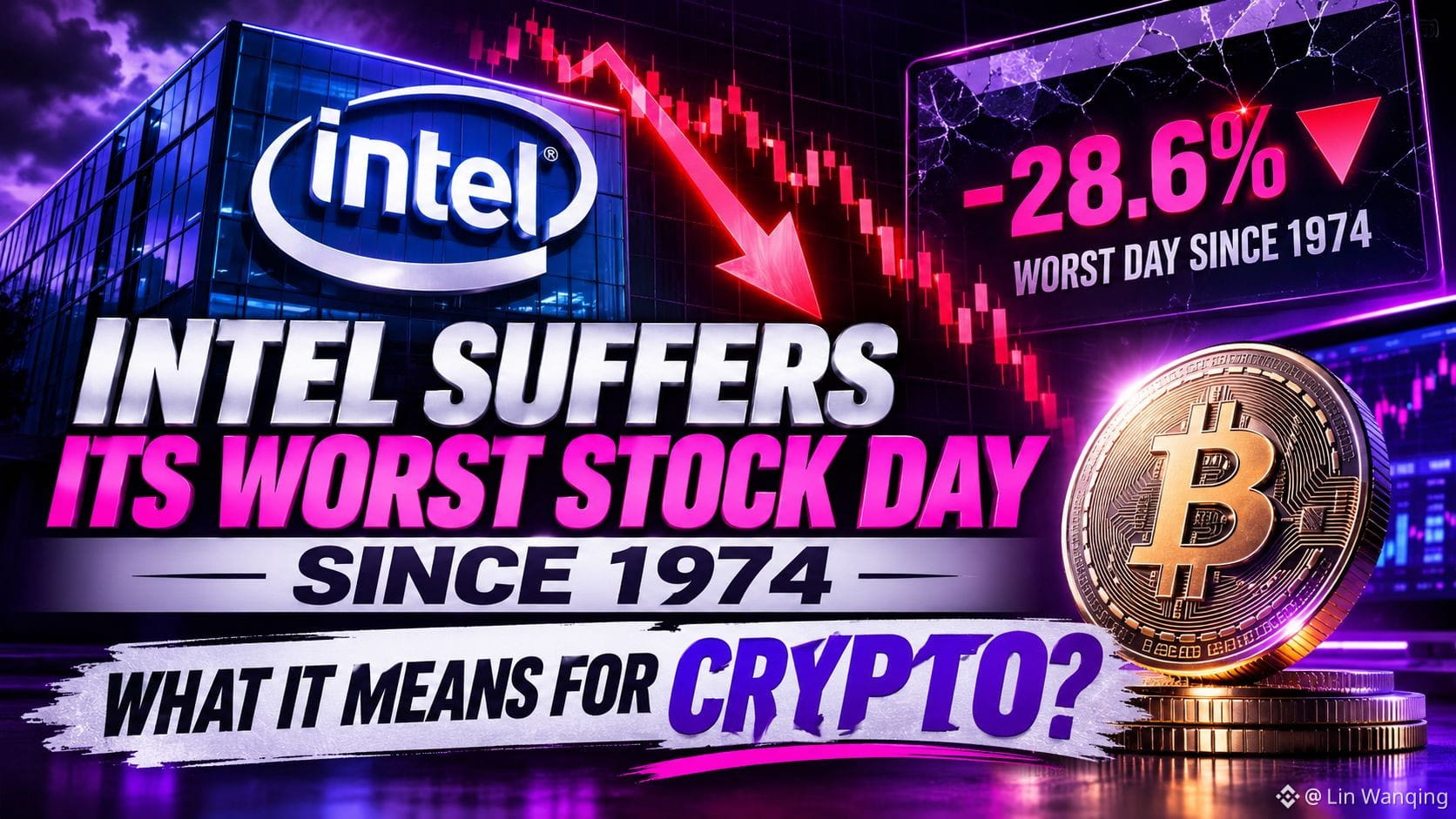
#intelhasitsworstdaysince1974
🚨 INTEL SUFFERS ITS WORST STOCK MARKET DAY SINCE 1974 — WHAT IT MEANS FOR CRYPTO
Intel shares experienced a historic selloff, raising concerns about technology stocks, AI investments, and market sentiment.
📉 WHY IT MATTERS
The sharp decline highlights growing investor concerns about future growth, profitability, and the challenges facing the semiconductor industry.
🔎 CRYPTO MARKET IMPACT
🔸 Weak tech sentiment could increase volatility across Bitcoin and altcoins.
🔸 AI-related crypto projects may face additional scrutiny.
🔸 Bitcoin's ability to hold key support levels will be important to watch.
📊 TRADER'S TAKE
Intel's crash doesn't automatically mean crypto will fall. However, if technology stocks continue weakening, broader risk sentiment could come under pressure.
Watch Bitcoin's reaction, manage risk, and avoid emotional trading.
#Bitcoin #CryptoMarket #BinanceSAFUFundTransferCompleted7499BTC #AI
$INTCB $LTC $COW
{future}(COWUSDT)
{future}(LTCUSDT)
{spot}(INTCBUSDT)
#intelhasitsworstdaysince1974
🚨 INTEL SUFFERS ITS WORST STOCK MARKET DAY SINCE 1974 — WHAT IT MEANS FOR CRYPTO
Intel shares experienced a historic selloff, raising concerns about technology stocks, AI investments, and market sentiment.
📉 WHY IT MATTERS
The sharp decline highlights growing investor concerns about future growth, profitability, and the challenges facing the semiconductor industry.
🔎 CRYPTO MARKET IMPACT
🔸 Weak tech sentiment could increase volatility across Bitcoin and altcoins.
🔸 AI-related crypto projects may face additional scrutiny.
🔸 Bitcoin's ability to hold key support levels will be important to watch.
📊 TRADER'S TAKE
Intel's crash doesn't automatically mean crypto will fall. However, if technology stocks continue weakening, broader risk sentiment could come under pressure.
Watch Bitcoin's reaction, manage risk, and avoid emotional trading.
#Bitcoin #CryptoMarket #BinanceSAFUFundTransferCompleted7499BTC #AI
$INTCB $LTC $COW
132
·
--
Bullish
🚨🛑#BinanceRecovery90% of stolen assets
🚨 BINANCE RECOVERS 90% OF STOLEN ASSETS — WHAT IT MEANS FOR CRYPTO SECURITY
Binance reportedly recovered 90% of stolen assets, bringing renewed attention to crypto security, asset recovery, and investor confidence.
🔎 Why It Matters
Recovering stolen crypto is a major challenge because blockchain transactions can be difficult to reverse. A successful recovery could help affected users and highlight the importance of coordinated security efforts.
📊 What Traders Should Understand
• Security matters: Strong exchange security is essential for protecting user funds and maintaining confidence.
• Recovery isn't the same as prevention: Recovering stolen assets is encouraging, but it doesn't eliminate the risk of future incidents.
• Market sentiment: Positive recovery news may improve confidence, but it doesn't automatically mean BTC or the broader market will rally.
• Transparency is key: Investors should look for verified details about the recovered assets, their ownership, and whether affected users have actually received compensation.
⚠️ The Bigger Picture
Crypto security should never depend on headlines alone. The real test is whether recovered funds reach affected users and whether the underlying security weaknesses are addressed.
A reported 90% recovery would be significant, but the remaining details matter just as much.
Bottom line: Recovery can rebuild trust, but long-term confidence comes from prevention, transparency, and accountability.
💬 Do you think asset recovery is enough to restore investor confidence, or should exchanges focus more on preventing hacks in the first place?
#Binanc #CryptoSecurity #Bitcoin
$BTC $ZEC $AIN
{future}(AINUSDT)
{future}(ZECUSDT)
{future}(BTCUSDT)
🚨🛑#BinanceRecovery90% of stolen assets
🚨 BINANCE RECOVERS 90% OF STOLEN ASSETS — WHAT IT MEANS FOR CRYPTO SECURITY
Binance reportedly recovered 90% of stolen assets, bringing renewed attention to crypto security, asset recovery, and investor confidence.
🔎 Why It Matters
Recovering stolen crypto is a major challenge because blockchain transactions can be difficult to reverse. A successful recovery could help affected users and highlight the importance of coordinated security efforts.
📊 What Traders Should Understand
• Security matters: Strong exchange security is essential for protecting user funds and maintaining confidence.
• Recovery isn't the same as prevention: Recovering stolen assets is encouraging, but it doesn't eliminate the risk of future incidents.
• Market sentiment: Positive recovery news may improve confidence, but it doesn't automatically mean BTC or the broader market will rally.
• Transparency is key: Investors should look for verified details about the recovered assets, their ownership, and whether affected users have actually received compensation.
⚠️ The Bigger Picture
Crypto security should never depend on headlines alone. The real test is whether recovered funds reach affected users and whether the underlying security weaknesses are addressed.
A reported 90% recovery would be significant, but the remaining details matter just as much.
Bottom line: Recovery can rebuild trust, but long-term confidence comes from prevention, transparency, and accountability.
💬 Do you think asset recovery is enough to restore investor confidence, or should exchanges focus more on preventing hacks in the first place?
#Binanc #CryptoSecurity #Bitcoin
$BTC $ZEC $AIN

1
485
·
--
Bullish
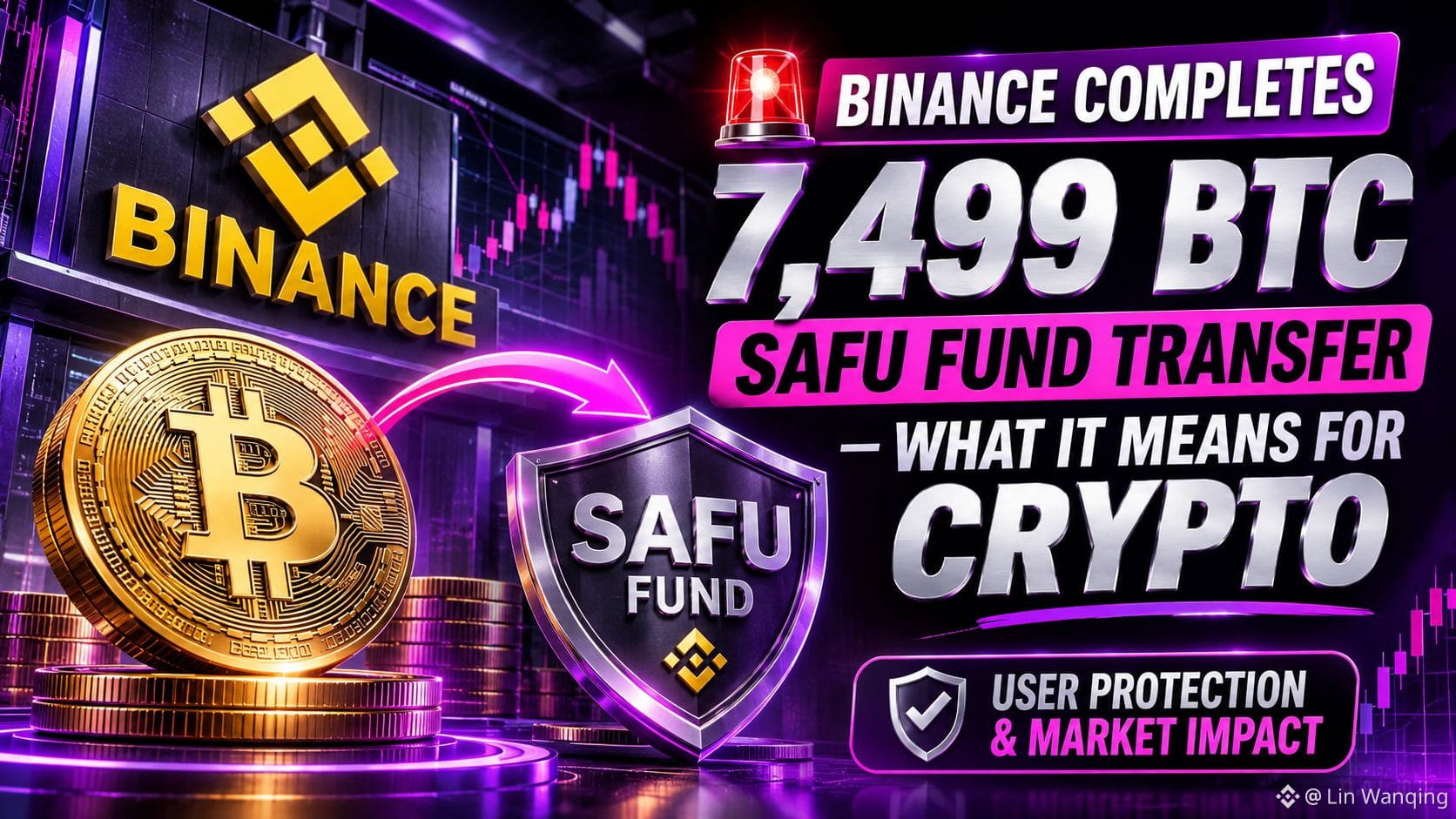
#BinanceSAFUFundTransferCompleted7499BTC
🚨 BINANCE COMPLETES 7,499 BTC SAFU FUND TRANSFER — WHAT IT MEANS FOR CRYPTO
Binance has reportedly completed a transfer involving 7,499 BTC linked to its SAFU fund, bringing attention to exchange reserves, user protection, and Bitcoin liquidity.
🔎 Why It Matters
The SAFU fund is designed to provide an additional layer of protection for users during unexpected situations.
A transfer of this size is worth watching, but the key question is not simply how much Bitcoin moved. It's why the transfer happened, where the funds are going, and whether the move changes the fund's overall protection strategy.
📊 What Traders Should Understand
• User protection: SAFU-related movements can attract attention because users want confidence that exchange protection mechanisms remain properly funded.
• Bitcoin liquidity: Large BTC transfers can create speculation about potential market activity, but moving coins does not automatically mean selling.
• Market sentiment: Exchange-related headlines can influence confidence, especially when traders are already sensitive to security and liquidity concerns.
⚠️ The Important Distinction
A completed transfer is not proof of a Bitcoin sale, a market crash, or a security incident.
Without verified information about the destination, purpose, and final fund balance, the market impact remains uncertain.
🎯 My Market Perspective
The most important thing to monitor is whether this transfer changes Binance's SAFU holdings or represents a routine fund-management operation.
If the fund remains adequately supported, the move may have little direct impact on Bitcoin's price.
For traders, the better approach is to watch verified wallet activity, exchange announcements, and actual market liquidity rather than reacting to the transfer amount alone.
Big transactions create headlines. Their purpose determines their significance.
#Bitcoin #BTC #SAFU #CryptoMarket
$SAFE $BTC $BNB
{future}(BNBUSDT)
{future}(BTCUSDT)
{future}(SAFEUSDT)
#BinanceSAFUFundTransferCompleted7499BTC
🚨 BINANCE COMPLETES 7,499 BTC SAFU FUND TRANSFER — WHAT IT MEANS FOR CRYPTO
Binance has reportedly completed a transfer involving 7,499 BTC linked to its SAFU fund, bringing attention to exchange reserves, user protection, and Bitcoin liquidity.
🔎 Why It Matters
The SAFU fund is designed to provide an additional layer of protection for users during unexpected situations.
A transfer of this size is worth watching, but the key question is not simply how much Bitcoin moved. It's why the transfer happened, where the funds are going, and whether the move changes the fund's overall protection strategy.
📊 What Traders Should Understand
• User protection: SAFU-related movements can attract attention because users want confidence that exchange protection mechanisms remain properly funded.
• Bitcoin liquidity: Large BTC transfers can create speculation about potential market activity, but moving coins does not automatically mean selling.
• Market sentiment: Exchange-related headlines can influence confidence, especially when traders are already sensitive to security and liquidity concerns.
⚠️ The Important Distinction
A completed transfer is not proof of a Bitcoin sale, a market crash, or a security incident.
Without verified information about the destination, purpose, and final fund balance, the market impact remains uncertain.
🎯 My Market Perspective
The most important thing to monitor is whether this transfer changes Binance's SAFU holdings or represents a routine fund-management operation.
If the fund remains adequately supported, the move may have little direct impact on Bitcoin's price.
For traders, the better approach is to watch verified wallet activity, exchange announcements, and actual market liquidity rather than reacting to the transfer amount alone.
Big transactions create headlines. Their purpose determines their significance.
#Bitcoin #BTC #SAFU #CryptoMarket
$SAFE $BTC $BNB
65
·
--
Bullish
🚨🛑RICHARD TENG: BINANCE TO COVER HACKED LOSSES?
Binance CEO Richard Teng's reported statement about covering hacked losses with company funds highlights the importance of user protection in crypto.
🔎 Why It Matters Exchange security and user trust are closely connected. Responsible handling of security incidents could strengthen confidence in centralized platforms.
📊 Market Perspective Better security practices may support long-term trust, but major breaches can still trigger panic, withdrawals, and market volatility.
💡 My Take This is a reminder that exchange security matters as much as trading opportunities. Traders should understand custody risks and never assume every loss is automatically guaranteed to be covered.
Trust is built through security, transparency, and accountability.
#CryptoNews #BTC #BinanceSquareTalks
$BTC $AMZN $SOL
{future}(SOLUSDT)
{future}(AMZNUSDT)
{future}(BTCUSDT)
🚨🛑RICHARD TENG: BINANCE TO COVER HACKED LOSSES?
Binance CEO Richard Teng's reported statement about covering hacked losses with company funds highlights the importance of user protection in crypto.
🔎 Why It Matters Exchange security and user trust are closely connected. Responsible handling of security incidents could strengthen confidence in centralized platforms.
📊 Market Perspective Better security practices may support long-term trust, but major breaches can still trigger panic, withdrawals, and market volatility.
💡 My Take This is a reminder that exchange security matters as much as trading opportunities. Traders should understand custody risks and never assume every loss is automatically guaranteed to be covered.
Trust is built through security, transparency, and accountability.
#CryptoNews #BTC #BinanceSquareTalks
$BTC $AMZN $SOL

40
·
--
Bullish
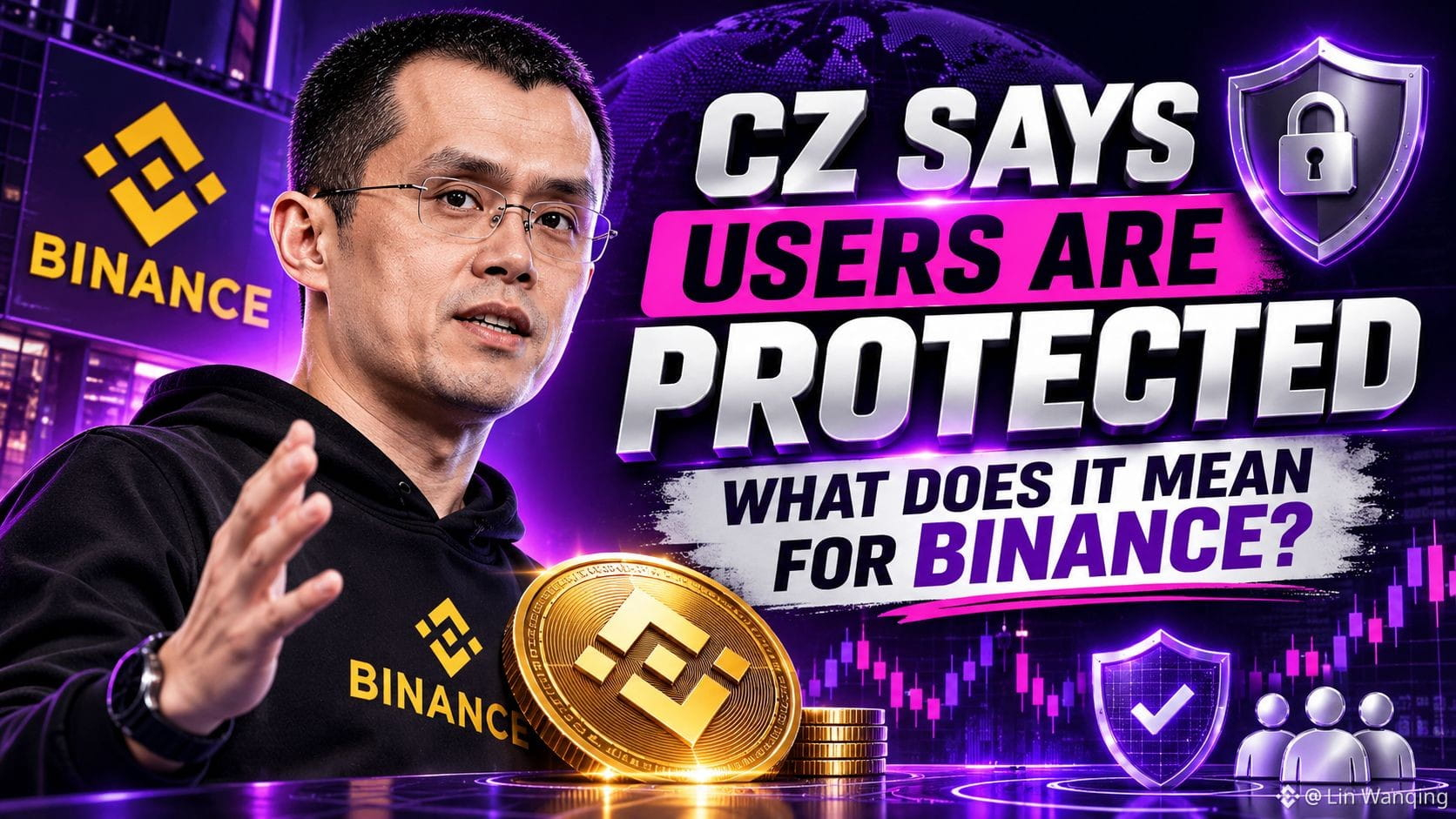
#CZSaysCompensationIsinPlaceUsersAreProtected
🚨 CZ SAYS USERS ARE PROTECTED — WHAT DOES IT MEAN FOR BINANCE?
Binance founder CZ reportedly says compensation is in place and users are protected, bringing attention to user funds, exchange security, and confidence in crypto platforms.
🔎 Why It Matters
When users face uncertainty around an exchange incident, clear communication and compensation arrangements can help reduce panic. However, the details of the protection plan matter more than the headline.
📊 Market Perspective
This could support confidence in Binance if the compensation arrangements are confirmed and successfully implemented. Still, traders should avoid treating reassurance alone as proof that every risk has disappeared.
The key things to watch are:
- Confirmation of the compensation details
- Whether affected users receive their funds as stated
- Any further updates on exchange operations
💡 Bottom Line
Confidence in crypto exchanges depends on transparency, accountability, and the ability to protect users when problems arise.
CZ's statement may be reassuring, but the real test is execution.
#Binance #CryptoNews #CryptoSecurity #Bitcoin
$SOL
{future}(SOLUSDT)
$BNB $BTC
{future}(BNBUSDT)
{future}(BTCUSDT)
#CZSaysCompensationIsinPlaceUsersAreProtected
🚨 CZ SAYS USERS ARE PROTECTED — WHAT DOES IT MEAN FOR BINANCE?
Binance founder CZ reportedly says compensation is in place and users are protected, bringing attention to user funds, exchange security, and confidence in crypto platforms.
🔎 Why It Matters
When users face uncertainty around an exchange incident, clear communication and compensation arrangements can help reduce panic. However, the details of the protection plan matter more than the headline.
📊 Market Perspective
This could support confidence in Binance if the compensation arrangements are confirmed and successfully implemented. Still, traders should avoid treating reassurance alone as proof that every risk has disappeared.
The key things to watch are:
- Confirmation of the compensation details
- Whether affected users receive their funds as stated
- Any further updates on exchange operations
💡 Bottom Line
Confidence in crypto exchanges depends on transparency, accountability, and the ability to protect users when problems arise.
CZ's statement may be reassuring, but the real test is execution.
#Binance #CryptoNews #CryptoSecurity #Bitcoin
$SOL
$BNB $BTC
58
·
--
Bearish
#TRMCambodianCasinosReceived$1.07BInCrypto
🚨 $1.07 BILLION IN CRYPTO RECEIVED BY CAMBODIAN CASINOS!
Reports of Cambodian casinos receiving $1.07 billion in cryptocurrency are raising questions about crypto transactions, financial transparency, and regulatory oversight.
🔎 Why It Matters
Large crypto flows involving gambling businesses could attract increased regulatory attention. However, transaction volume alone does not prove illegal activity.
📊 What Traders Should Watch
• Potential regulatory developments
• Crypto compliance and transaction monitoring
• Verified investigations or enforcement actions
📌 My Take
The real story is not just the $1.07 billion figure, but where the funds came from and how they were used.
More transparency could strengthen trust in crypto, while tighter regulations may create challenges for businesses operating in high-risk sectors.
#CryptoNews #CryptoRegulation #Blockchain #BinanceSquare
$AKE $Q $BLESS
{future}(BLESSUSDT)
{future}(QUSDT)
{future}(AKEUSDT)
#TRMCambodianCasinosReceived$1.07BInCrypto
🚨 $1.07 BILLION IN CRYPTO RECEIVED BY CAMBODIAN CASINOS!
Reports of Cambodian casinos receiving $1.07 billion in cryptocurrency are raising questions about crypto transactions, financial transparency, and regulatory oversight.
🔎 Why It Matters
Large crypto flows involving gambling businesses could attract increased regulatory attention. However, transaction volume alone does not prove illegal activity.
📊 What Traders Should Watch
• Potential regulatory developments
• Crypto compliance and transaction monitoring
• Verified investigations or enforcement actions
📌 My Take
The real story is not just the $1.07 billion figure, but where the funds came from and how they were used.
More transparency could strengthen trust in crypto, while tighter regulations may create challenges for businesses operating in high-risk sectors.
#CryptoNews #CryptoRegulation #Blockchain #BinanceSquare
$AKE $Q $BLESS

37
·
--
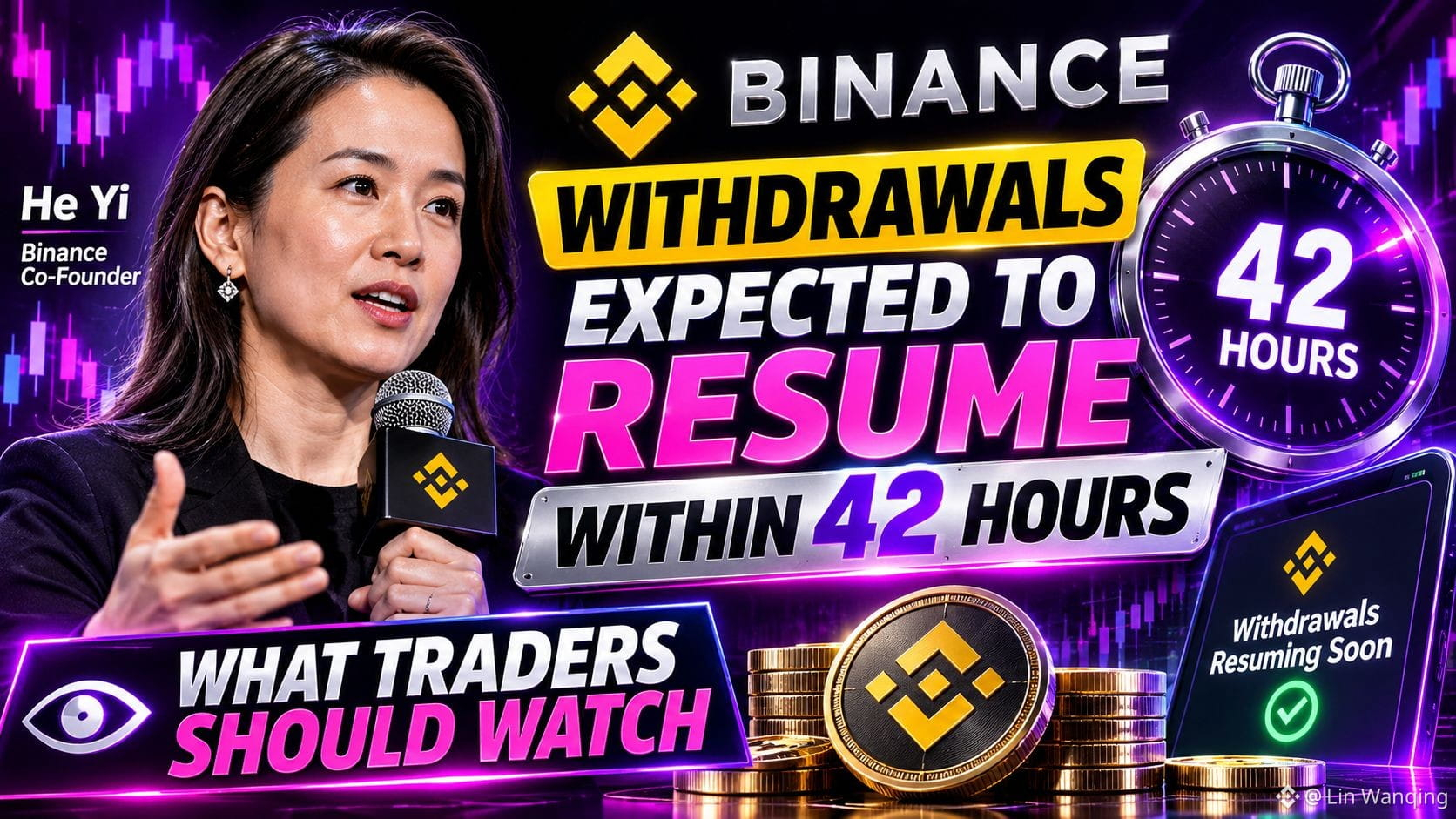
#HeYiSaysWithdrawalsExpectedtoResumeWithin42Hours
🚨 BINANCE WITHDRAWALS EXPECTED TO RESUME WITHIN 42 HOURS — WHAT TRADERS SHOULD WATCH
Binance co-founder He Yi reportedly said withdrawals are expected to resume within 42 hours, bringing attention back to exchange operations and user confidence.
🔎 Why It Matters
When withdrawals are disrupted, users naturally become concerned about access to their funds. A clear recovery timeline can help reduce uncertainty, but the actual restoration of withdrawals is what matters most.
📊 Market Perspective
This development could influence short-term sentiment, especially among traders watching exchange liquidity and confidence.
However, a withdrawal update alone does not confirm a broader market recovery or guarantee that all operational issues have been resolved.
👀 What Traders Should Watch
• Whether withdrawals resume within the stated timeframe
• Whether users can access funds normally
• Whether Binance provides further official updates
• Whether market sentiment stabilizes after services return
💡 The Bigger Picture
Exchange reliability is a critical part of crypto market confidence. Traders should focus on verified updates rather than reacting to headlines alone.
A recovery announcement is encouraging, but actual withdrawal functionality is the real confirmation.
#CryptoNews #HeYi #CryptoMarket #Bitcoin
$BTC $XAUT $LINK
{future}(LINKUSDT)
{future}(XAUTUSDT)
{future}(BTCUSDT)
#HeYiSaysWithdrawalsExpectedtoResumeWithin42Hours
🚨 BINANCE WITHDRAWALS EXPECTED TO RESUME WITHIN 42 HOURS — WHAT TRADERS SHOULD WATCH
Binance co-founder He Yi reportedly said withdrawals are expected to resume within 42 hours, bringing attention back to exchange operations and user confidence.
🔎 Why It Matters
When withdrawals are disrupted, users naturally become concerned about access to their funds. A clear recovery timeline can help reduce uncertainty, but the actual restoration of withdrawals is what matters most.
📊 Market Perspective
This development could influence short-term sentiment, especially among traders watching exchange liquidity and confidence.
However, a withdrawal update alone does not confirm a broader market recovery or guarantee that all operational issues have been resolved.
👀 What Traders Should Watch
• Whether withdrawals resume within the stated timeframe
• Whether users can access funds normally
• Whether Binance provides further official updates
• Whether market sentiment stabilizes after services return
💡 The Bigger Picture
Exchange reliability is a critical part of crypto market confidence. Traders should focus on verified updates rather than reacting to headlines alone.
A recovery announcement is encouraging, but actual withdrawal functionality is the real confirmation.
#CryptoNews #HeYi #CryptoMarket #Bitcoin
$BTC $XAUT $LINK
1
171
·
--
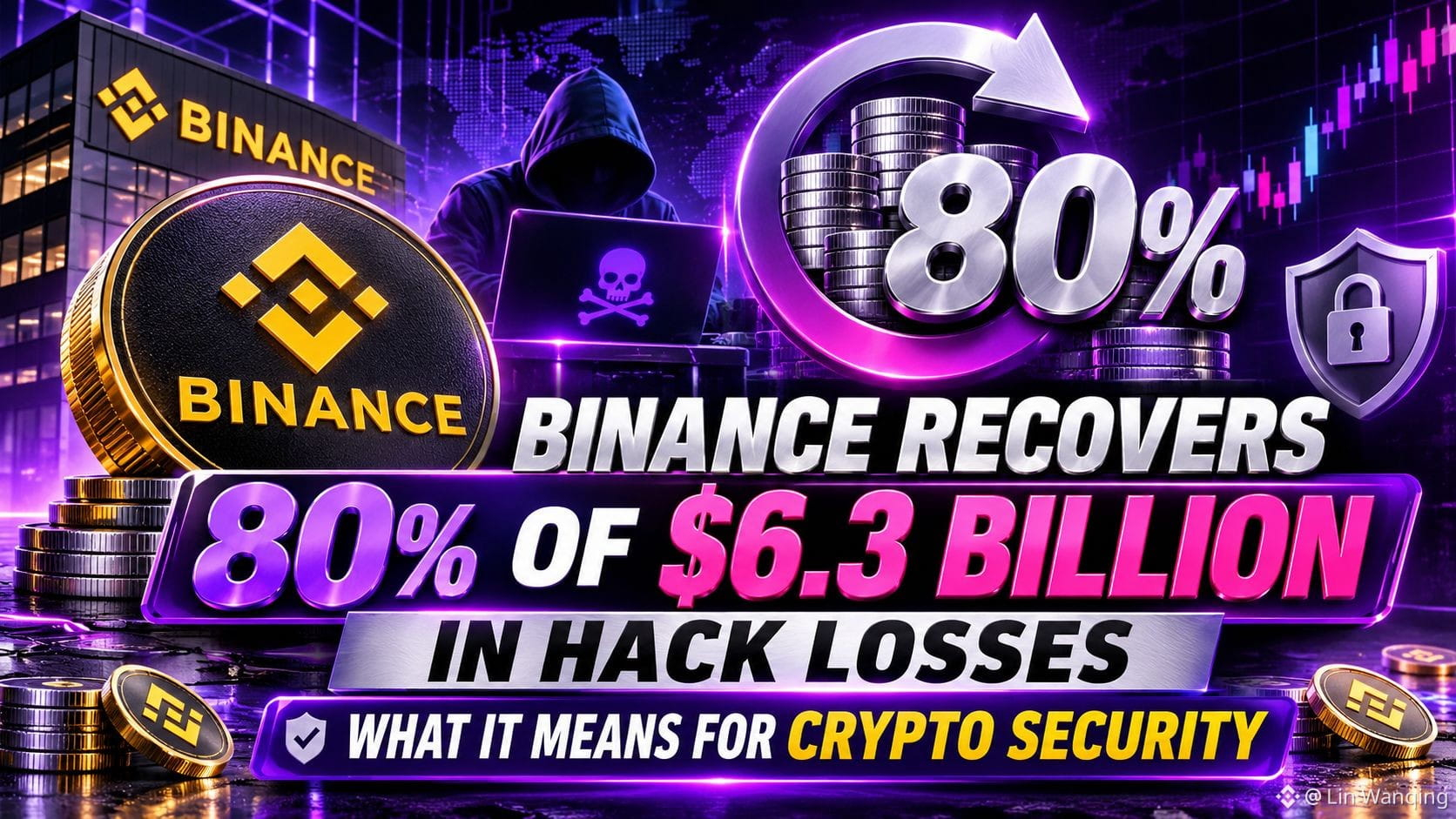
#BinanceReports80%Recoveryof$6.3BillioninLossesfromHackIncident
🚨 BINANCE RECOVERS 80% OF $6.3 BILLION IN HACK LOSSES — WHAT IT MEANS FOR CRYPTO SECURITY
Binance reportedly recovered 80% of $6.3 billion in losses linked to a hack incident, bringing attention back to one of crypto's biggest challenges: protecting user funds after a security breach.
🔎 Why It Matters
Recovering stolen funds is not just about reducing financial damage. It also highlights the importance of blockchain transparency, security monitoring, and cooperation across the crypto industry.
However, recovering funds does not automatically mean the original security problem has been solved.
📊 Market Perspective
For traders, this development could support confidence in exchange security and recovery efforts.
But trust depends on more than recovered funds. Investors also need to understand how the incident happened, what protections were in place, and whether the remaining losses have been addressed.
A recovery announcement alone is not enough to determine the long-term impact on Binance or the broader market.
⚠️ The Bigger Picture
Crypto security is not only about preventing hacks. It is also about having a transparent recovery process when something goes wrong.
The key questions are:
• How much of the recovered amount has actually been returned to affected users?
• What measures are being taken to prevent similar incidents?
• How much risk remains after the reported recovery?
💡 My Take
Recovering 80% of reported losses would be a significant development if confirmed.
But the real measure of success is whether users are protected, remaining losses are handled transparently, and security improves afterward.
In crypto, recovery builds confidence. Prevention builds lasting trust.
#CryptoSecurity #CryptoNews #Blockchain #CryptoMarket
$BTC $ETH $USDC
{future}(USDCUSDT)
{future}(ETHUSDT)
{future}(BTCUSDT)
#BinanceReports80%Recoveryof$6.3BillioninLossesfromHackIncident
🚨 BINANCE RECOVERS 80% OF $6.3 BILLION IN HACK LOSSES — WHAT IT MEANS FOR CRYPTO SECURITY
Binance reportedly recovered 80% of $6.3 billion in losses linked to a hack incident, bringing attention back to one of crypto's biggest challenges: protecting user funds after a security breach.
🔎 Why It Matters
Recovering stolen funds is not just about reducing financial damage. It also highlights the importance of blockchain transparency, security monitoring, and cooperation across the crypto industry.
However, recovering funds does not automatically mean the original security problem has been solved.
📊 Market Perspective
For traders, this development could support confidence in exchange security and recovery efforts.
But trust depends on more than recovered funds. Investors also need to understand how the incident happened, what protections were in place, and whether the remaining losses have been addressed.
A recovery announcement alone is not enough to determine the long-term impact on Binance or the broader market.
⚠️ The Bigger Picture
Crypto security is not only about preventing hacks. It is also about having a transparent recovery process when something goes wrong.
The key questions are:
• How much of the recovered amount has actually been returned to affected users?
• What measures are being taken to prevent similar incidents?
• How much risk remains after the reported recovery?
💡 My Take
Recovering 80% of reported losses would be a significant development if confirmed.
But the real measure of success is whether users are protected, remaining losses are handled transparently, and security improves afterward.
In crypto, recovery builds confidence. Prevention builds lasting trust.
#CryptoSecurity #CryptoNews #Blockchain #CryptoMarket
$BTC $ETH $USDC
73
·
--
Some people dream, of PEPE hitting $1 by 2028...
Will it be reality or just a dream? 👀
At 3:11 AM, we all have the same dream.
$PEPE #pepe
{spot}(PEPEUSDT)
Some people dream, of PEPE hitting $1 by 2028...
Will it be reality or just a dream? 👀
At 3:11 AM, we all have the same dream.
$PEPE #pepe
Will it be reality or just a dream? 👀
At 3:11 AM, we all have the same dream.
$PEPE #pepe

65
·
--
Bullish
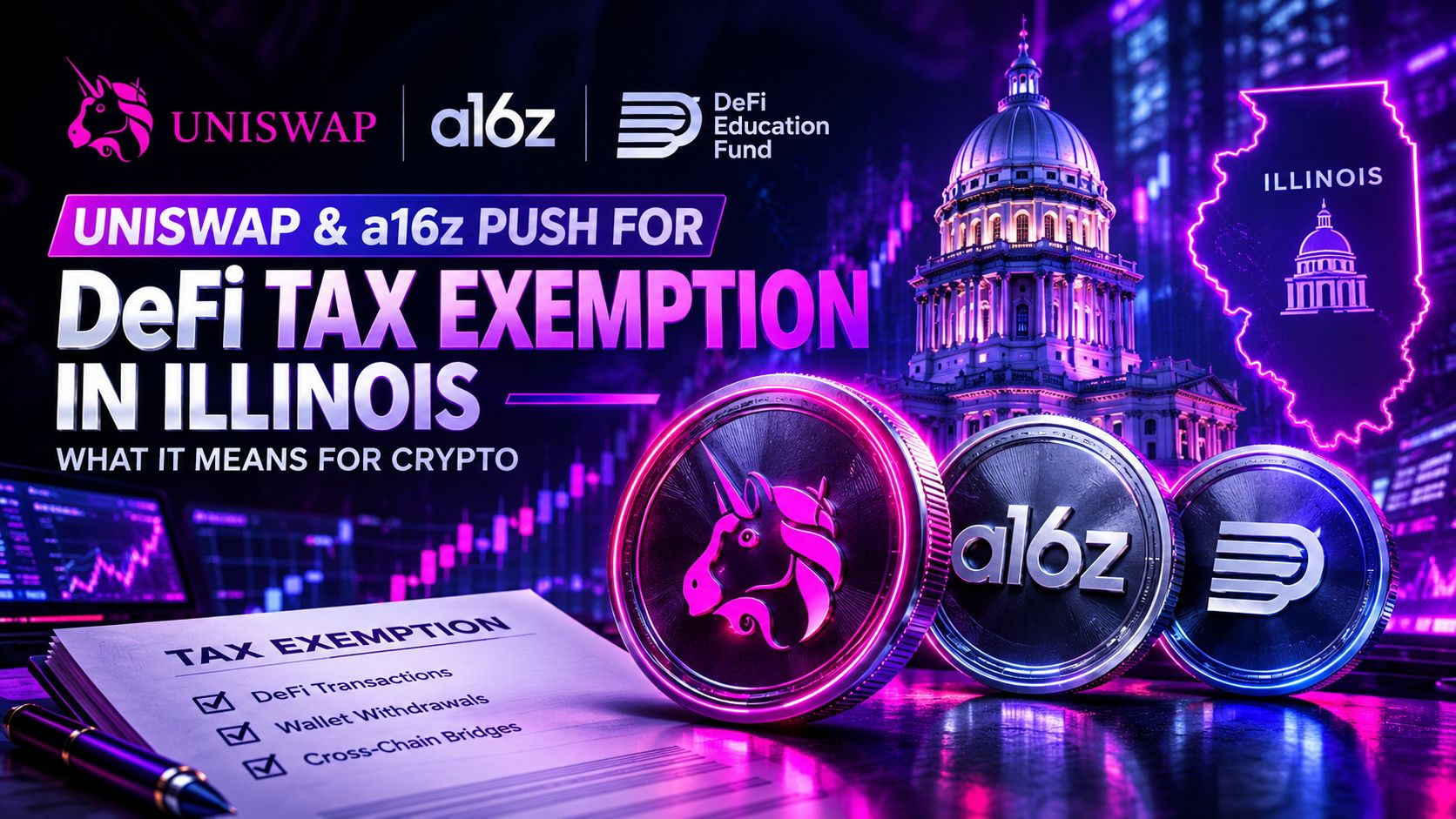
#UniswapA16zSeekDeFiExemptionFromIllinoisCryptoTax 🚨 UNISWAP & a16z PUSH FOR DeFi TAX EXEMPTION IN ILLINOIS — WHAT IT MEANS FOR CRYPTO
A major regulatory debate is developing in Illinois as Uniswap Labs, a16z, and the DeFi Education Fund seek clearer tax exemptions for decentralized finance activities.
The industry groups are challenging aspects of Illinois' proposed crypto tax rules, arguing that certain DeFi transactions should not be treated like traditional brokerage services.
🔎 WHY THIS MATTERS
The proposed rules could affect how digital asset transactions, wallet withdrawals, and cross-chain bridge activities are taxed.
The industry wants regulators to recognize the difference between centralized businesses that control customer assets and decentralized software that allows users to interact directly with blockchain networks.
📊
⚖️ WHAT TRADERS SHOULD WATCH
The key questions are whether self-custody transfers receive clearer treatment, how DeFi interfaces are classified, and whether the final rules distinguish between taxable transactions and ordinary blockchain activity.
This development does not automatically mean every DeFi transaction will be taxed or that exemptions will be approved.
🎯 MY TAKE
The bigger issue is not simply the tax rate. It's whether regulators understand the difference between controlling customer funds and providing software that users interact with voluntarily.
Clearer rules could support DeFi innovation, while excessive compliance requirements could create unnecessary friction.
For traders, this is a regulatory development worth monitoring, not an immediate buy or sell signal.
The future of DeFi may depend on finding a balance between reasonable taxation, consumer protection, and the freedom to use decentralized technology.
#Uniswap #a16z #Blockchain #BinanceSquare
$PARTI $IDOL $SOLV
{future}(SOLVUSDT)
{future}(IDOLUSDT)
{future}(PARTIUSDT)
#UniswapA16zSeekDeFiExemptionFromIllinoisCryptoTax 🚨 UNISWAP & a16z PUSH FOR DeFi TAX EXEMPTION IN ILLINOIS — WHAT IT MEANS FOR CRYPTO
A major regulatory debate is developing in Illinois as Uniswap Labs, a16z, and the DeFi Education Fund seek clearer tax exemptions for decentralized finance activities.
The industry groups are challenging aspects of Illinois' proposed crypto tax rules, arguing that certain DeFi transactions should not be treated like traditional brokerage services.
🔎 WHY THIS MATTERS
The proposed rules could affect how digital asset transactions, wallet withdrawals, and cross-chain bridge activities are taxed.
The industry wants regulators to recognize the difference between centralized businesses that control customer assets and decentralized software that allows users to interact directly with blockchain networks.
📊
⚖️ WHAT TRADERS SHOULD WATCH
The key questions are whether self-custody transfers receive clearer treatment, how DeFi interfaces are classified, and whether the final rules distinguish between taxable transactions and ordinary blockchain activity.
This development does not automatically mean every DeFi transaction will be taxed or that exemptions will be approved.
🎯 MY TAKE
The bigger issue is not simply the tax rate. It's whether regulators understand the difference between controlling customer funds and providing software that users interact with voluntarily.
Clearer rules could support DeFi innovation, while excessive compliance requirements could create unnecessary friction.
For traders, this is a regulatory development worth monitoring, not an immediate buy or sell signal.
The future of DeFi may depend on finding a balance between reasonable taxation, consumer protection, and the freedom to use decentralized technology.
#Uniswap #a16z #Blockchain #BinanceSquare
$PARTI $IDOL $SOLV
620
·
--
#BinanceWillListPredictPREDICT
🚨 BINANCE POSTPONES PREDICT (PREDICT) LISTING — WHAT TRADERS SHOULD KNOW
Binance has postponed the planned spot listing of Predict (PREDICT), originally scheduled for October 30, 2026, until further notice.
The token was expected to launch with PREDICT/USDT, PREDICT/USDC, and PREDICT/TRY trading pairs. However, the exchange has now confirmed that trading will not begin at the originally announced time. No new listing date has been confirmed.
🔎 Why This Matters
Predict is a prediction market project built on BNB Chain. Its Binance listing announcement initially attracted attention, but the postponement introduces uncertainty around the token's immediate market activity.
For traders, the important point is that a planned exchange listing does not guarantee a smooth launch or positive price movement.
📊 Market Perspective
Listing-related excitement can create short-term speculation, especially when traders anticipate increased liquidity and exchange exposure.
But a postponement can change that sentiment quickly.
Some traders may reduce exposure while waiting for clarity, while others may remain interested in the project.
The actual market impact will depend on the revised launch schedule, trading demand, liquidity, and broader crypto market conditions.
⚠️ Risk Reminder
Binance had already assigned PREDICT a Seed Tag, indicating higher-than-normal risk and potential volatility.
With the listing now postponed, traders should avoid treating the original launch timeline as confirmed.
The next official announcement will be more important than speculation about when trading might begin.
💡 Final Thought
The PREDICT listing postponement is a reminder that exchange announcements can change.
For traders, patience and verified information matter more than reacting to an expected listing.
Watch the official Binance announcement for the next confirmed update.
#PREDICT #BNBChain #CryptoNews #BinanceSquare
$PREDICT $BNB $NEAR
{future}(NEARUSDT)
{future}(BNBUSDT)
{future}(PREDICTUSDT)
#BinanceWillListPredictPREDICT
🚨 BINANCE POSTPONES PREDICT (PREDICT) LISTING — WHAT TRADERS SHOULD KNOW
Binance has postponed the planned spot listing of Predict (PREDICT), originally scheduled for October 30, 2026, until further notice.
The token was expected to launch with PREDICT/USDT, PREDICT/USDC, and PREDICT/TRY trading pairs. However, the exchange has now confirmed that trading will not begin at the originally announced time. No new listing date has been confirmed.
🔎 Why This Matters
Predict is a prediction market project built on BNB Chain. Its Binance listing announcement initially attracted attention, but the postponement introduces uncertainty around the token's immediate market activity.
For traders, the important point is that a planned exchange listing does not guarantee a smooth launch or positive price movement.
📊 Market Perspective
Listing-related excitement can create short-term speculation, especially when traders anticipate increased liquidity and exchange exposure.
But a postponement can change that sentiment quickly.
Some traders may reduce exposure while waiting for clarity, while others may remain interested in the project.
The actual market impact will depend on the revised launch schedule, trading demand, liquidity, and broader crypto market conditions.
⚠️ Risk Reminder
Binance had already assigned PREDICT a Seed Tag, indicating higher-than-normal risk and potential volatility.
With the listing now postponed, traders should avoid treating the original launch timeline as confirmed.
The next official announcement will be more important than speculation about when trading might begin.
💡 Final Thought
The PREDICT listing postponement is a reminder that exchange announcements can change.
For traders, patience and verified information matter more than reacting to an expected listing.
Watch the official Binance announcement for the next confirmed update.
#PREDICT #BNBChain #CryptoNews #BinanceSquare
$PREDICT $BNB $NEAR

66
·
--
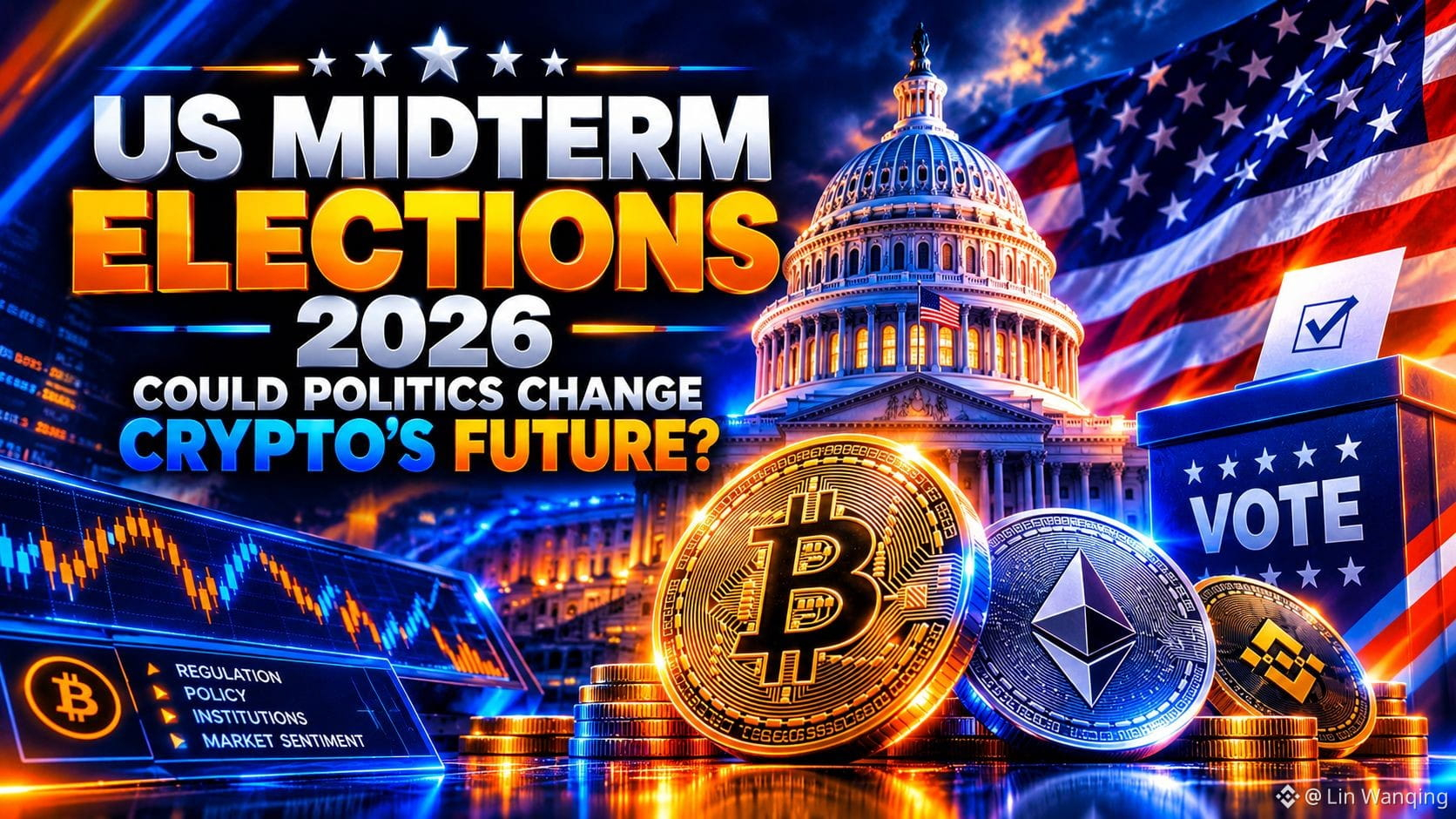
#USMidtermElections
🇺🇸 US MIDTERM ELECTIONS 2026: COULD POLITICS CHANGE CRYPTO'S FUTURE?
The US midterm elections on November 3 could influence the direction of crypto regulation and investor sentiment.
🔎 Why It Matters
Election results may affect political priorities, crypto legislation, regulatory discussions, and institutional confidence. However, a change in political balance does not automatically mean Bitcoin or the broader crypto market will move higher.
📊 Market Perspective
For crypto traders, the important question is not simply who wins, but what happens afterward.
• Regulatory clarity could improve confidence among institutional investors. • Political uncertainty could increase short-term volatility. • Bitcoin's direction will also depend on liquidity, interest rates, ETF flows, and broader market conditions.
⚠️ What Traders Should Watch
Avoid making decisions based only on election headlines. Watch how Bitcoin reacts to key support and resistance levels, trading volume, and broader market sentiment.
My Take: The election could become an important catalyst for crypto sentiment, but its actual impact will depend on policy decisions rather than political promises.
The market may react quickly, but meaningful regulatory changes usually take time.
💬 Do you think the US midterm elections will create a bullish opportunity for crypto, or increase market uncertainty?
#USMidterms #CryptoMarket #BinanceSquare
$ZEC
{future}(ZECUSDT)
$XRP
{future}(XRPUSDT)
$INIT
{future}(INITUSDT)
#USMidtermElections
🇺🇸 US MIDTERM ELECTIONS 2026: COULD POLITICS CHANGE CRYPTO'S FUTURE?
The US midterm elections on November 3 could influence the direction of crypto regulation and investor sentiment.
🔎 Why It Matters
Election results may affect political priorities, crypto legislation, regulatory discussions, and institutional confidence. However, a change in political balance does not automatically mean Bitcoin or the broader crypto market will move higher.
📊 Market Perspective
For crypto traders, the important question is not simply who wins, but what happens afterward.
• Regulatory clarity could improve confidence among institutional investors. • Political uncertainty could increase short-term volatility. • Bitcoin's direction will also depend on liquidity, interest rates, ETF flows, and broader market conditions.
⚠️ What Traders Should Watch
Avoid making decisions based only on election headlines. Watch how Bitcoin reacts to key support and resistance levels, trading volume, and broader market sentiment.
My Take: The election could become an important catalyst for crypto sentiment, but its actual impact will depend on policy decisions rather than political promises.
The market may react quickly, but meaningful regulatory changes usually take time.
💬 Do you think the US midterm elections will create a bullish opportunity for crypto, or increase market uncertainty?
#USMidterms #CryptoMarket #BinanceSquare
$ZEC
$XRP
$INIT
66
·
--
Bearish
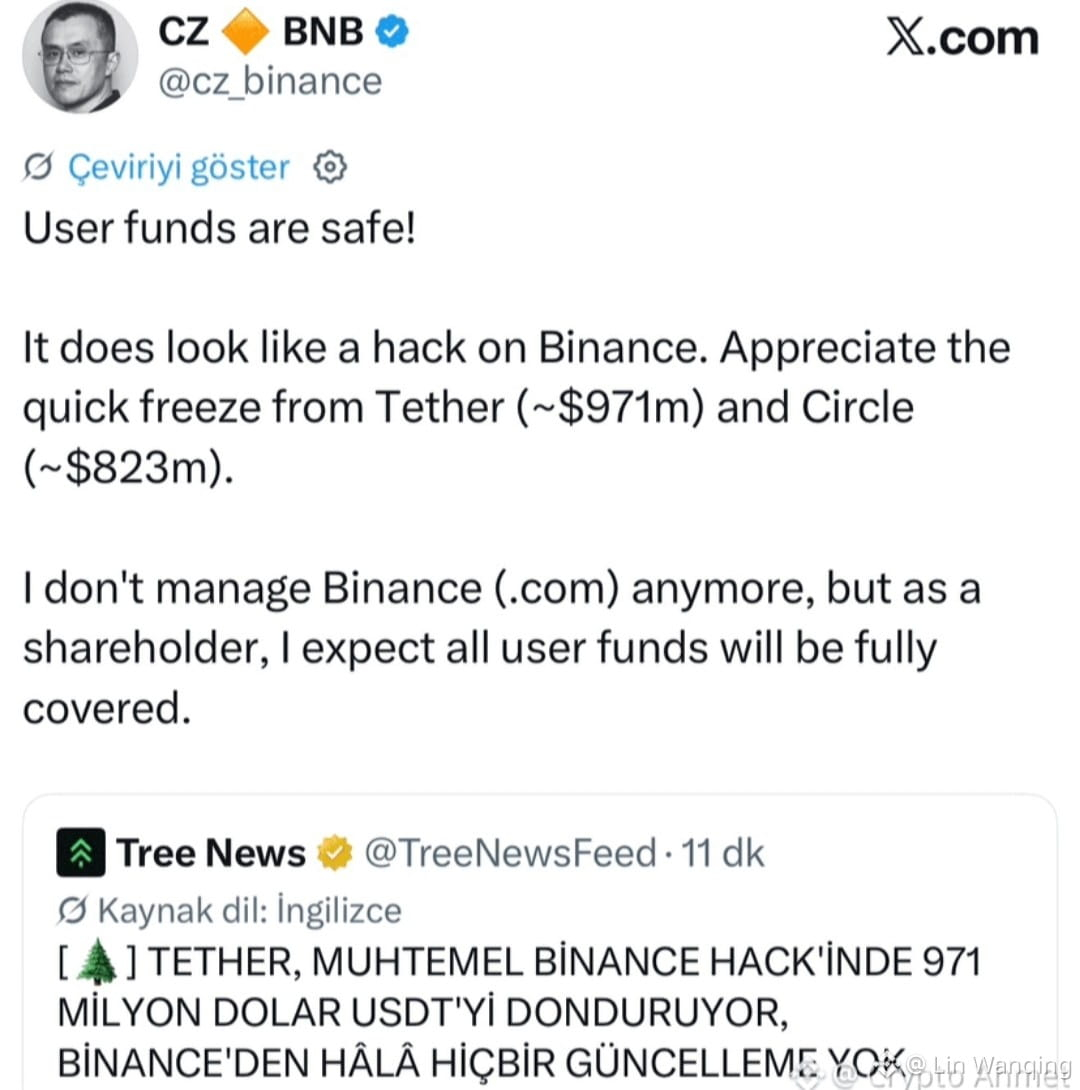
🚨 BINANCE HACK: $6.3 BILLION SECURITY INCIDENT
Binance is facing a major security incident that has raised concerns across the crypto market.
🔹 Binance estimates the total impact at approximately $6.3 billion.
🔹 Around $3 billion in affected assets has reportedly been frozen.
🔹 Binance says it will cover the losses through its SAFU fund and company resources.
📉 Market Impact
The incident could increase market uncertainty and push traders toward safer positions. However, one exchange's security breach does not automatically mean the entire crypto market will turn bearish.
🔍 My Take
Security and investor confidence remain critical for crypto adoption. Traders should focus on verified updates, recovery progress, and market reaction rather than panic.
Stay informed. Protect your assets. Trade responsibly.
#Binance #CryptoNews #Earningseasons #FedWatch #BitcoinDropsBelow80K
$BTC $INTC $BNB
{future}(BNBUSDT)
{future}(INTCUSDT)
{future}(BTCUSDT)
🚨 BINANCE HACK: $6.3 BILLION SECURITY INCIDENT
Binance is facing a major security incident that has raised concerns across the crypto market.
🔹 Binance estimates the total impact at approximately $6.3 billion.
🔹 Around $3 billion in affected assets has reportedly been frozen.
🔹 Binance says it will cover the losses through its SAFU fund and company resources.
📉 Market Impact
The incident could increase market uncertainty and push traders toward safer positions. However, one exchange's security breach does not automatically mean the entire crypto market will turn bearish.
🔍 My Take
Security and investor confidence remain critical for crypto adoption. Traders should focus on verified updates, recovery progress, and market reaction rather than panic.
Stay informed. Protect your assets. Trade responsibly.
#Binance #CryptoNews #Earningseasons #FedWatch #BitcoinDropsBelow80K
$BTC $INTC $BNB
137
·
--
Bullish
#BoEOpensConsultationOnTokenizedCollateralForClearing
🇬🇧 Bank of England Explores Tokenized Collateral: A New Step for Institutional Crypto Adoption
The Bank of England is exploring how tokenized assets could become part of traditional financial markets.
On October 29, the central bank launched a consultation on allowing clearing houses to accept tokenized forms of eligible collateral.
The goal is to improve efficiency, speed up transactions and strengthen collateral management.
🔍 Why Does It Matter?
Tokenized collateral could help financial institutions move assets more efficiently and manage margin requirements more effectively.
The consultation focuses on eligible assets, including tokenized government bonds. However, this does not mean all cryptocurrencies will automatically become accepted collateral.
📊 What Could This Mean for Crypto?
This development highlights growing institutional interest in blockchain technology.
If adoption expands, it could support demand for tokenization, digital asset custody and blockchain-based financial infrastructure.
However, this is a regulatory consultation, not an immediate market transformation.
⚖️ Market Perspective
The development is potentially positive for long-term tokenization adoption, but it does not guarantee a Bitcoin rally or immediate capital inflows into crypto.
For traders, the important signal is that traditional financial institutions are exploring practical blockchain applications.
The real impact will depend on regulatory decisions, institutional adoption and successful implementation.
Blockchain adoption is progressing, but real-world execution matters more than headlines.
#Crypto #Bitcoin #Tokenization #Blockchain
$CVNA $BULLA $BNB
{future}(BNBUSDT)
{future}(BULLAUSDT)
{future}(CVNAUSDT)
#BoEOpensConsultationOnTokenizedCollateralForClearing
🇬🇧 Bank of England Explores Tokenized Collateral: A New Step for Institutional Crypto Adoption
The Bank of England is exploring how tokenized assets could become part of traditional financial markets.
On October 29, the central bank launched a consultation on allowing clearing houses to accept tokenized forms of eligible collateral.
The goal is to improve efficiency, speed up transactions and strengthen collateral management.
🔍 Why Does It Matter?
Tokenized collateral could help financial institutions move assets more efficiently and manage margin requirements more effectively.
The consultation focuses on eligible assets, including tokenized government bonds. However, this does not mean all cryptocurrencies will automatically become accepted collateral.
📊 What Could This Mean for Crypto?
This development highlights growing institutional interest in blockchain technology.
If adoption expands, it could support demand for tokenization, digital asset custody and blockchain-based financial infrastructure.
However, this is a regulatory consultation, not an immediate market transformation.
⚖️ Market Perspective
The development is potentially positive for long-term tokenization adoption, but it does not guarantee a Bitcoin rally or immediate capital inflows into crypto.
For traders, the important signal is that traditional financial institutions are exploring practical blockchain applications.
The real impact will depend on regulatory decisions, institutional adoption and successful implementation.
Blockchain adoption is progressing, but real-world execution matters more than headlines.
#Crypto #Bitcoin #Tokenization #Blockchain
$CVNA $BULLA $BNB

221
·
--
Bullish
#FedWatch
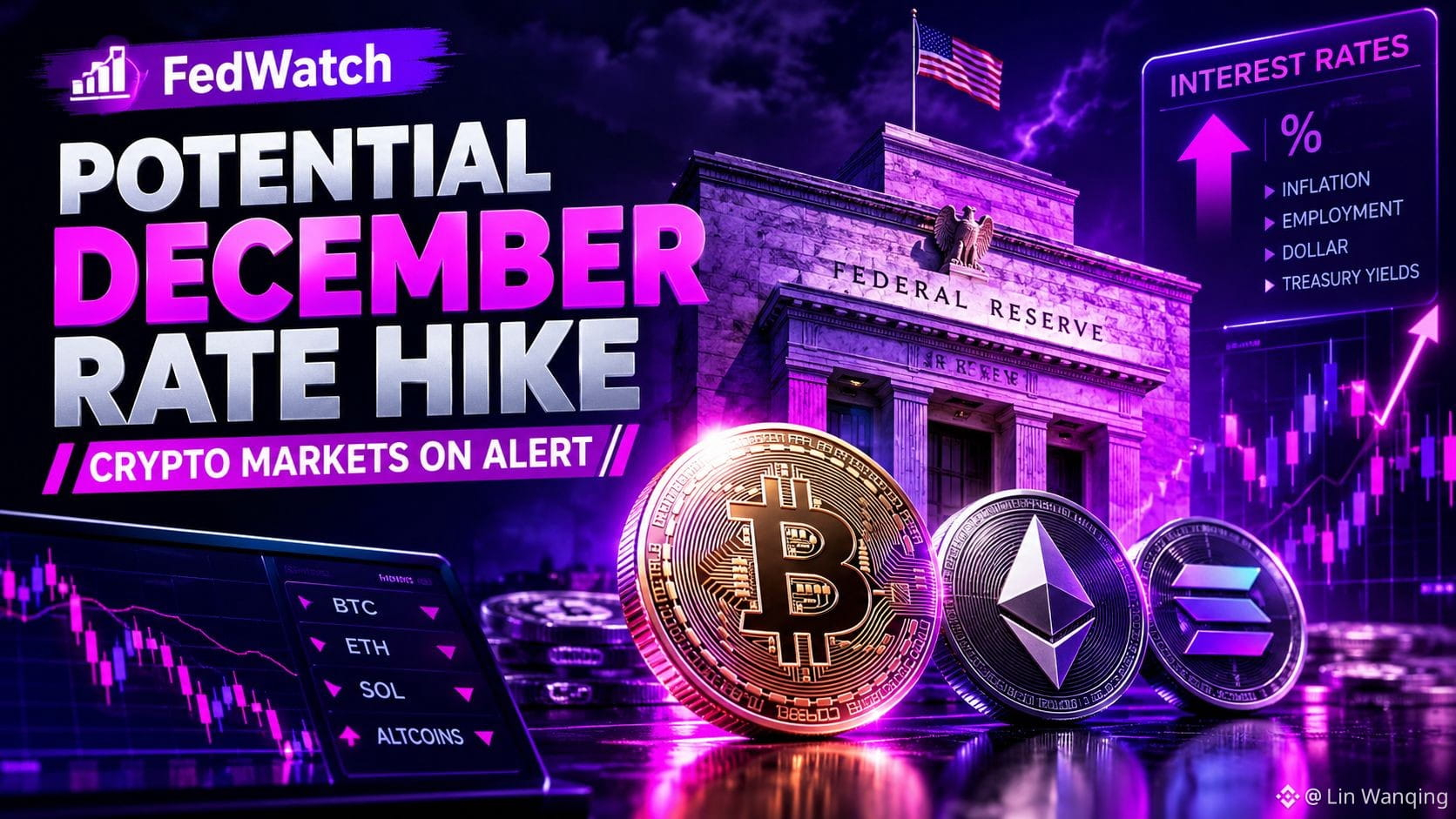
🇺🇸 FedWatch Signals Potential December Rate Hike — Crypto Markets on Alert
CME FedWatch data is highlighting changing market expectations for the Federal Reserve’s December policy decision. Following the Fed’s October 28 meeting, traders are closely monitoring whether interest rates could rise further.
📊 Why It Matters for Crypto
Higher interest rates can tighten financial conditions, support the U.S. dollar, and put pressure on risk-sensitive assets such as Bitcoin and altcoins. However, market reactions depend heavily on whether the outcome is already priced in.
🔎 What Traders Should Watch
U.S. inflation and employment data
Fed statements and interest-rate expectations
Dollar strength and Treasury yields
Bitcoin volume and key support levels
Market Outlook: A potential rate hike could create short-term headwinds for crypto, but it does not automatically mean prices will fall. Traders should focus on incoming economic data and market confirmation rather than reacting to probabilities alone.
#CryptoNews #FedWatch #FederalReserve #CryptoMarket
$AIN $BEAT $IDOL
{future}(IDOLUSDT)
{future}(BEATUSDT)
{future}(AINUSDT)
#FedWatch
🇺🇸 FedWatch Signals Potential December Rate Hike — Crypto Markets on Alert
CME FedWatch data is highlighting changing market expectations for the Federal Reserve’s December policy decision. Following the Fed’s October 28 meeting, traders are closely monitoring whether interest rates could rise further.
📊 Why It Matters for Crypto
Higher interest rates can tighten financial conditions, support the U.S. dollar, and put pressure on risk-sensitive assets such as Bitcoin and altcoins. However, market reactions depend heavily on whether the outcome is already priced in.
🔎 What Traders Should Watch
U.S. inflation and employment data
Fed statements and interest-rate expectations
Dollar strength and Treasury yields
Bitcoin volume and key support levels
Market Outlook: A potential rate hike could create short-term headwinds for crypto, but it does not automatically mean prices will fall. Traders should focus on incoming economic data and market confirmation rather than reacting to probabilities alone.
#CryptoNews #FedWatch #FederalReserve #CryptoMarket
$AIN $BEAT $IDOL
1.5k
·
--
Bullish
#USMidtermElections
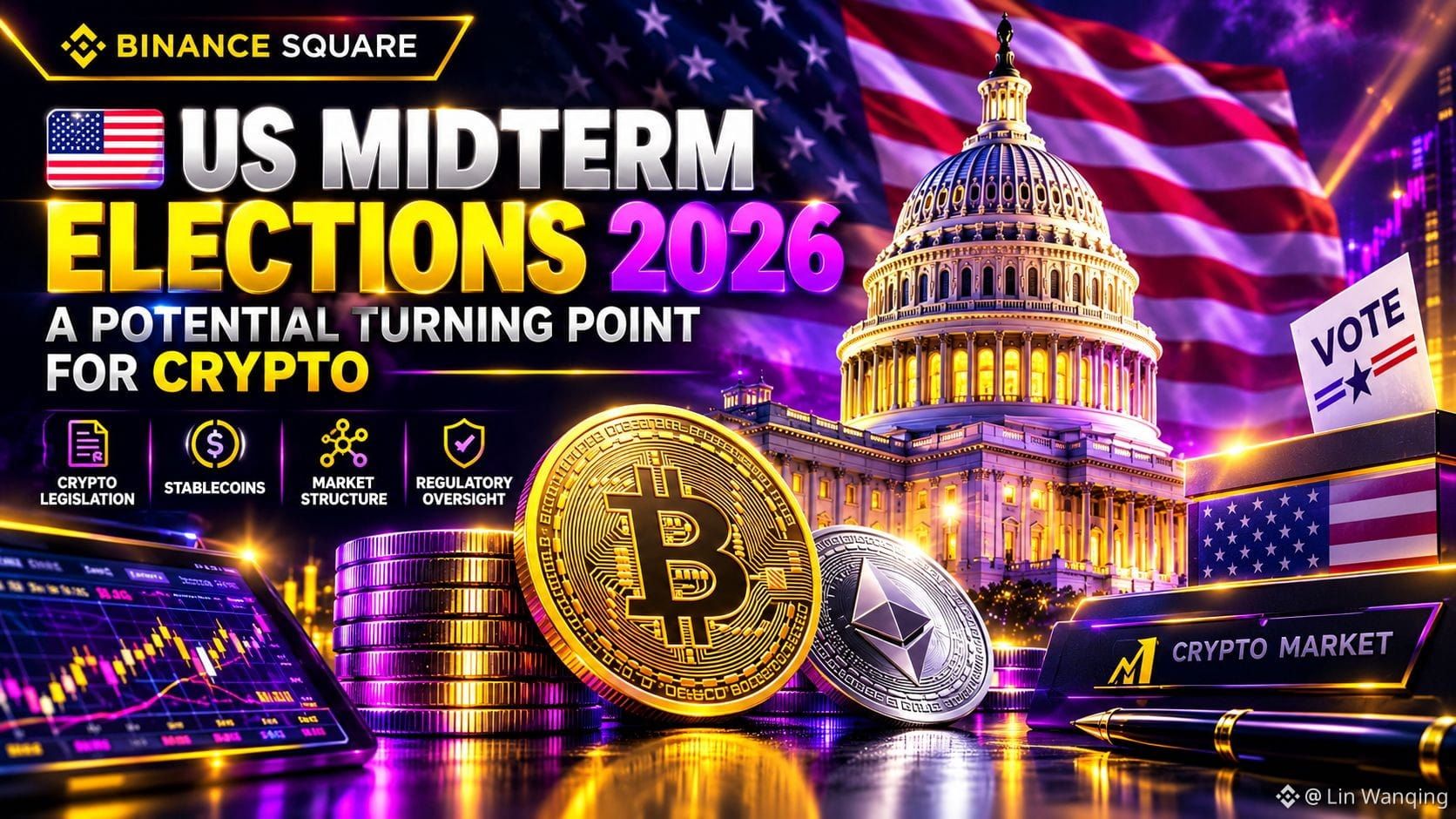
🇺🇸 US Midterm Elections 2026: A Potential Turning Point for Crypto
The US midterm elections on November 3 could influence the future of cryptocurrency regulation and digital asset legislation. The outcome will shape the balance of power in Congress, potentially affecting discussions around stablecoins, market structure, and regulatory oversight.
Why It Matters for Crypto 📊
A Congress more supportive of digital assets could help advance crypto-related legislation, while a change in political priorities could create uncertainty for the industry. However, election results alone will not guarantee new regulations or an immediate market rally.
Trader’s Perspective
Traders should watch Bitcoin’s price action, trading volume, liquidity, and broader market sentiment as election day approaches. Political headlines may create short-term volatility, but interest rates, institutional flows, and overall risk appetite will remain important factors.
My Take: The US midterms could become an important catalyst for crypto sentiment, but the real impact will depend on what policymakers do after the election. Focus on confirmed developments rather than trading solely on political expectations.
#Bitcoin #CryptoNews #USMidterms
$BTC $APR $ZEC
{future}(ZECUSDT)
{future}(APRUSDT)
{future}(BTCUSDT)
#USMidtermElections
🇺🇸 US Midterm Elections 2026: A Potential Turning Point for Crypto
The US midterm elections on November 3 could influence the future of cryptocurrency regulation and digital asset legislation. The outcome will shape the balance of power in Congress, potentially affecting discussions around stablecoins, market structure, and regulatory oversight.
Why It Matters for Crypto 📊
A Congress more supportive of digital assets could help advance crypto-related legislation, while a change in political priorities could create uncertainty for the industry. However, election results alone will not guarantee new regulations or an immediate market rally.
Trader’s Perspective
Traders should watch Bitcoin’s price action, trading volume, liquidity, and broader market sentiment as election day approaches. Political headlines may create short-term volatility, but interest rates, institutional flows, and overall risk appetite will remain important factors.
My Take: The US midterms could become an important catalyst for crypto sentiment, but the real impact will depend on what policymakers do after the election. Focus on confirmed developments rather than trading solely on political expectations.
#Bitcoin #CryptoNews #USMidterms
$BTC $APR $ZEC
38
·
--
Bearish
🚨🚨#RussiaProposedNonCustodialWalletLimitsExcludeIntlSettlements
🇷🇺 Russia Proposes Crypto Wallet Restrictions — But International Settlements Remain Exempt
Russia is tightening oversight of domestic crypto activity while keeping the door open for international settlements.
The Bank of Russia has clarified that proposed restrictions on non-custodial wallets will not apply to cross-border crypto payments. However, direct crypto investing through self-custody wallets would face restrictions under the proposed framework. <Cite refs={["turn813857search0","turn813857search1"]}/>
📊 Why It Matters for Crypto
For the market, this signals a clear distinction between domestic crypto access and international blockchain use. Tighter controls could push more Russian retail activity toward licensed intermediaries, while the international exemption preserves a channel for cross-border trade.
Trader’s Perspective: This is primarily a regulatory development, not an immediate bullish or bearish catalyst for Bitcoin. The broader impact will depend on implementation, transaction volumes, and whether other countries adopt similar approaches.
🔎 What to Watch: Final regulatory details, enforcement of wallet restrictions, and changes in cross-border crypto settlement activity.
Bottom Line: Russia is not shutting down every crypto use case. It is attempting to bring domestic activity under tighter supervision while preserving international settlement options.
#CryptoNews #Russia #CryptoRegulation #Blockchain
$AGT $Q $NEAR
{future}(NEARUSDT)
{future}(QUSDT)
{future}(AGTUSDT)
🚨🚨#RussiaProposedNonCustodialWalletLimitsExcludeIntlSettlements
🇷🇺 Russia Proposes Crypto Wallet Restrictions — But International Settlements Remain Exempt
Russia is tightening oversight of domestic crypto activity while keeping the door open for international settlements.
The Bank of Russia has clarified that proposed restrictions on non-custodial wallets will not apply to cross-border crypto payments. However, direct crypto investing through self-custody wallets would face restrictions under the proposed framework. <Cite refs={["turn813857search0","turn813857search1"]}/>
📊 Why It Matters for Crypto
For the market, this signals a clear distinction between domestic crypto access and international blockchain use. Tighter controls could push more Russian retail activity toward licensed intermediaries, while the international exemption preserves a channel for cross-border trade.
Trader’s Perspective: This is primarily a regulatory development, not an immediate bullish or bearish catalyst for Bitcoin. The broader impact will depend on implementation, transaction volumes, and whether other countries adopt similar approaches.
🔎 What to Watch: Final regulatory details, enforcement of wallet restrictions, and changes in cross-border crypto settlement activity.
Bottom Line: Russia is not shutting down every crypto use case. It is attempting to bring domestic activity under tighter supervision while preserving international settlement options.
#CryptoNews #Russia #CryptoRegulation #Blockchain
$AGT $Q $NEAR

1
62
Log in to explore more content
Join global crypto users on Binance Square
⚡️ Get latest and useful information about crypto.
💬 Trusted by the world’s largest crypto exchange.
👍 Discover real insights from verified creators.
Email / Phone number
Trending Topics
BinanceHadAlreadyCovered$6BofHackLoss
381 views
8 Discussing
Binance Says It Has Already Covered $6 Billion of Hack Loss
Binance News
·39 Likes
·19.1k views
FBIConfirmsNorthKoreaIsResponsibleForBinanceCryptoHack
1,011 views
23 Discussing
BinanceSAFUFundTransferCompleted7499BTC
57,235 views
1,051 Discussing