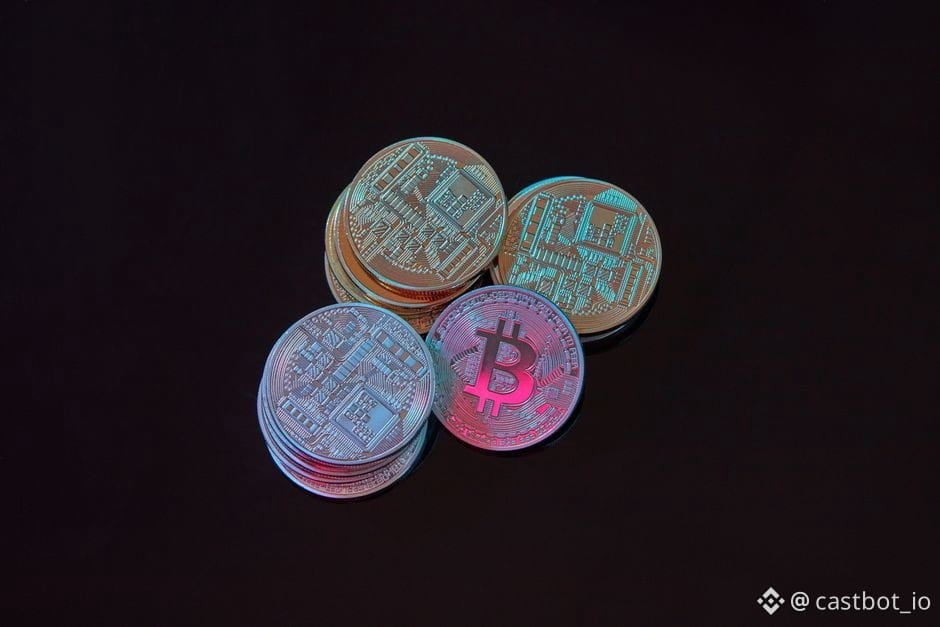
📰 Bitcoin Falls Below $80,000: Double Blow from Rate Hikes and Stablecoin Risks
Bitcoin has fallen below the $80,000 mark, reflecting the macroeconomic pressures facing the cryptocurrency market amid continued Federal Reserve rate hikes and a flight to safety in the stablecoin market. For investors, this means reassessing their allocation to risk assets, especially in a tense global interest rate environment.
Why does this news matter?
Bitcoin’s decline highlights the cryptocurrency market’s sensitivity to macroeconomic factors. As the Federal Reserve raises interest rates to combat inflation, investors’ money is beginning to flow into assets considered safer, such as Treasury bonds. In addition, recent concerns about a potential run on stablecoins like USDT have further fueled risk aversion. Together, these factors have dampened risk appetite and put downward pressure on the prices of major cryptocurrencies such as Bitcoin.
Market impact
In the short term, Bitcoin’s fall below $80,000 could trigger more technical selling, especially if it breaks below key support levels. However, if the Fed’s rate hikes slow global economic growth, Bitcoin’s safe-haven qualities as “digital gold” may emerge later on. Historically, Bitcoin has performed poorly during rate-hiking cycles, but has often found support during economic recessions.
Trading approach
At present, Bitcoin’s fall below $80,000 indicates that market sentiment is bearish, and investors should remain cautious. If the Federal Reserve continues to tighten monetary policy, Bitcoin may fall further. However, if the economy proves weaker than expected, Bitcoin could rebound on safe-haven demand. This outlook would no longer apply if a global liquidity crisis occurs.
This article is not sponsored by any project, and the author does not hold any of the assets mentioned.
$BTC $ETH #BTC #ETH
⚠️ This is not investment advice; forecasts are for reference only.
#Bitcoindipsbelow$80,000asrisingratesandstablecoincautionweighondemand