📰 After BTC's annual inflation fell 19.90%, why did its purchasing power actually increase? What's behind the contradictory data?
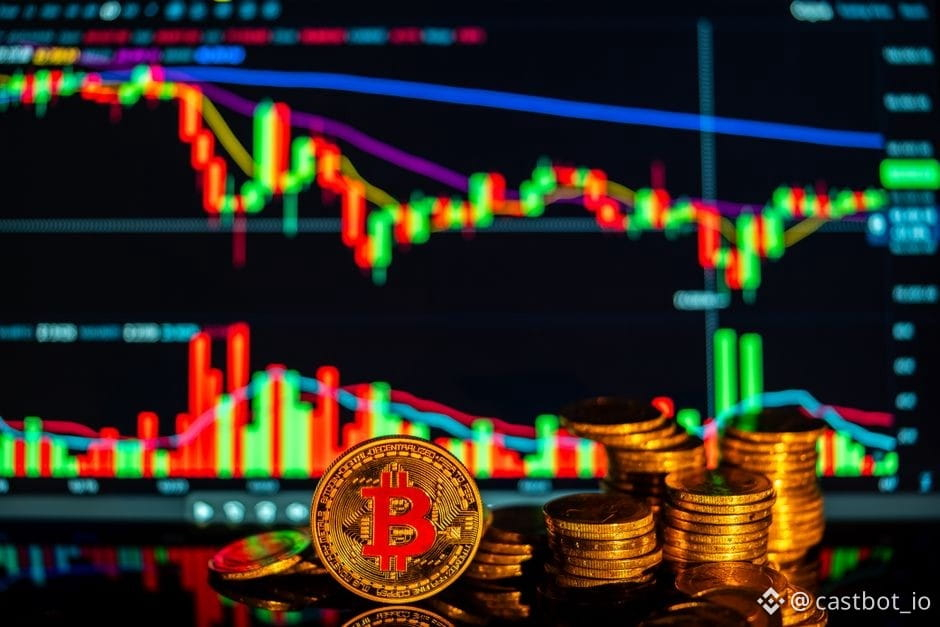
We just talked about this a couple of days ago, and now there's a new development. The Eurozone Bitcoin CPI (an indicator of BTC's purchasing power) plunged 18.90% month over month in September. In theory, BTC's purchasing power should have increased significantly, but in practice, it's been rising. So what's going on? Simply put: BTC's price is highly volatile. Even if each unit of currency can buy more goods, the asset's own instability makes people wary of relying on it as a store of savings.
Why does this news matter? On the surface, it's about CPI data; at a deeper level, it challenges BTC's reliability as a store of value. When a currency's purchasing-power indicator changes dramatically but the market behaves in the opposite way, it suggests investors may be using BTC to hedge against other risks, such as a weakening dollar or demand for safe havens amid traditional-market uncertainty. It's like this past June, when the Fed raised interest rates: CPI rose 2.1% year over year, but BTC climbed 15%. Many people didn't understand it at the time, and now the European version of the same scenario is playing out again.
The impact on the market is that BTC's role is shifting further from “stable savings” toward “risk exposure.” In the short term, these contradictory data points could deepen investors' confusion about BTC's macroeconomic role and may lead some to hold it only briefly. But the medium- to long-term rationale hasn't changed—after all, every major CPI fluctuation has occurred in the months before a sharp drop in BTC's price (such as in March 2022 and March 2023). Regulators may respond by proposing stricter rules for BTC financial derivatives, just as the U.S. Commodity Futures Trading Commission (CFTC) has recently started targeting spot ETFs.
💡 This suggests BTC is becoming increasingly polarized: some investors are using it as a hedge rather than as a straightforward savings vehicle. But this assessment would no longer hold if BTC were to rise consistently while CPI continued to fall.
This article is not sponsored by any project, and the author does not hold any of the assets mentioned.
⚠️ This is not investment advice. Forecasts are for reference only.
#EurozoneBitcoinCPIdrops18.90%inSeptemberaspurchasingpowerclimbs
$BTC $ETH $BNB