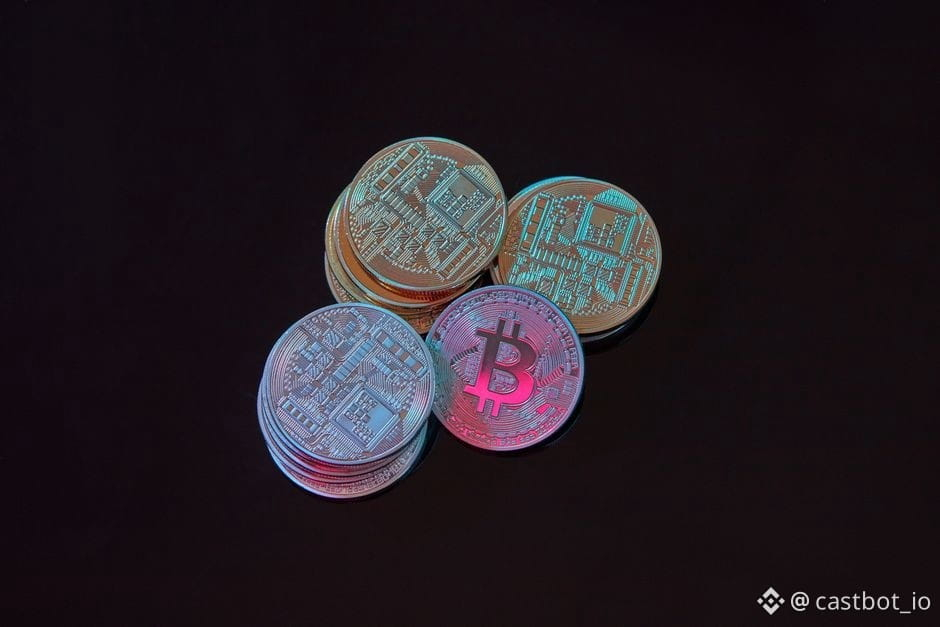
📰 Is Tether coming to BTC? Why is this wave of privacy fast-payment competition a challenge to ETH and TRON?
According to CoinTelegraph, USDT has officially announced that it will launch a version running on the Bitcoin network, emphasizing transaction anonymity and lightning-fast payments. Can this new USDT carve out a share of the stablecoin market in Ethereum and Tron? The crypto community is buzzing about it.
Why does this news matter?
Behind this cross-chain move by USDT is the continued growth in market demand for efficiency and privacy in the crypto space. Ethereum layer 2 and Tron’s TRC-20 have already become the mainstream channels for stablecoin circulation, but USDT is trying to enter the BTC network and directly capture payment share within the BTC ecosystem. This means stablecoin competition is expanding from Ethereum’s dominance into the Bitcoin arena.
What does this mean for the market structure? Every public chain is using stablecoins to build a local payment ecosystem moat, and USDT’s entry could complicate the rules of the game. The regulatory angle is also worth watching. If USDT can bypass some regulation on the BTC network, it may create compliance pressure for other public chains.
Impact on the market
In the short term, the holdings ratio of BTC and ETH stablecoins may adjust. If USDT circulation on the BTC network increases significantly, it could squeeze the share of USDC and DAI. But in the long run, this is more like a zero-sum game—it's not about who replaces whom, but who serves better.
There is limited historical reference, but Tron’s early dual-chain strategy with TRC-10 and TRC-20 did indeed expand the scale of stablecoins. This time, however, USDT’s opponent is BTC, whose on-chain activity and economic scale far exceed TRON’s. That means if USDT performs well on BTC, its influence could scale exponentially.
Actionable thinking
From a technical perspective, listing USDT on the BTC network (assuming a cross-chain bridge solution similar to ERC-20) would temporarily stimulate BTC network hash demand. However, given that BTC mainnet is currently on the edge of DeFi, the actual circulation volume of USDT may take months to show. If BTC stablecoin holdings rise significantly in the coming months, this trend is worth watching. If USDT is only used as a niche privacy tool, the overall market impact will be limited.
This article is not sponsored by any project party, and the author does not hold the assets mentioned. If large-scale regulatory intervention occurs in the future (for example, banning USDT circulation on the BTC network), this judgment becomes invalid.
$BTC $ETH #BTC #ETH
⚠️ Not investment advice; predictions are for reference only
$XRP