I’d been watching the markets so long I was getting sleepy, but then I came across a legal news story and snapped awake.
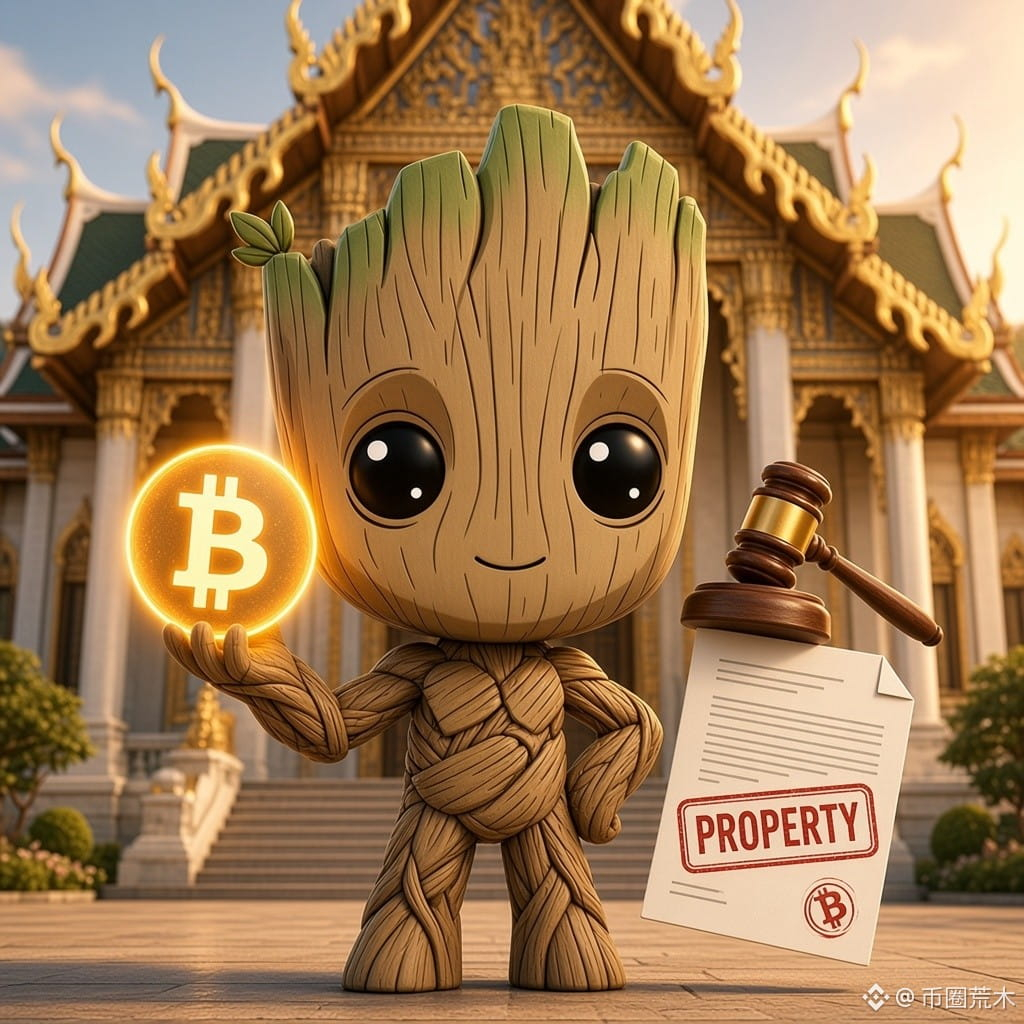
Thailand’s Supreme Court has ruled that Bitcoin is “property.”
It’s not legal tender, but it counts as property—it can be stolen, traced, and ordered returned.
The case was pretty wild: on Koh Samui, someone was forced to exchange $50,000 for 2.480801 BTC and transfer it.
The court unanimously handed down a 10-year prison sentence, with an order to return the BTC or pay compensation.
It got me thinking: people used to say, “What do on-chain data even count for?” Now a country’s highest court has put its stamp on it 😂
Of course, this doesn’t mean you can go to Thailand and pay for groceries with BTC—it just adds another layer of legal protection.
FOMC hasn’t come out yet, so I’ll just make a note of this for now and see what happens next.
$BTC