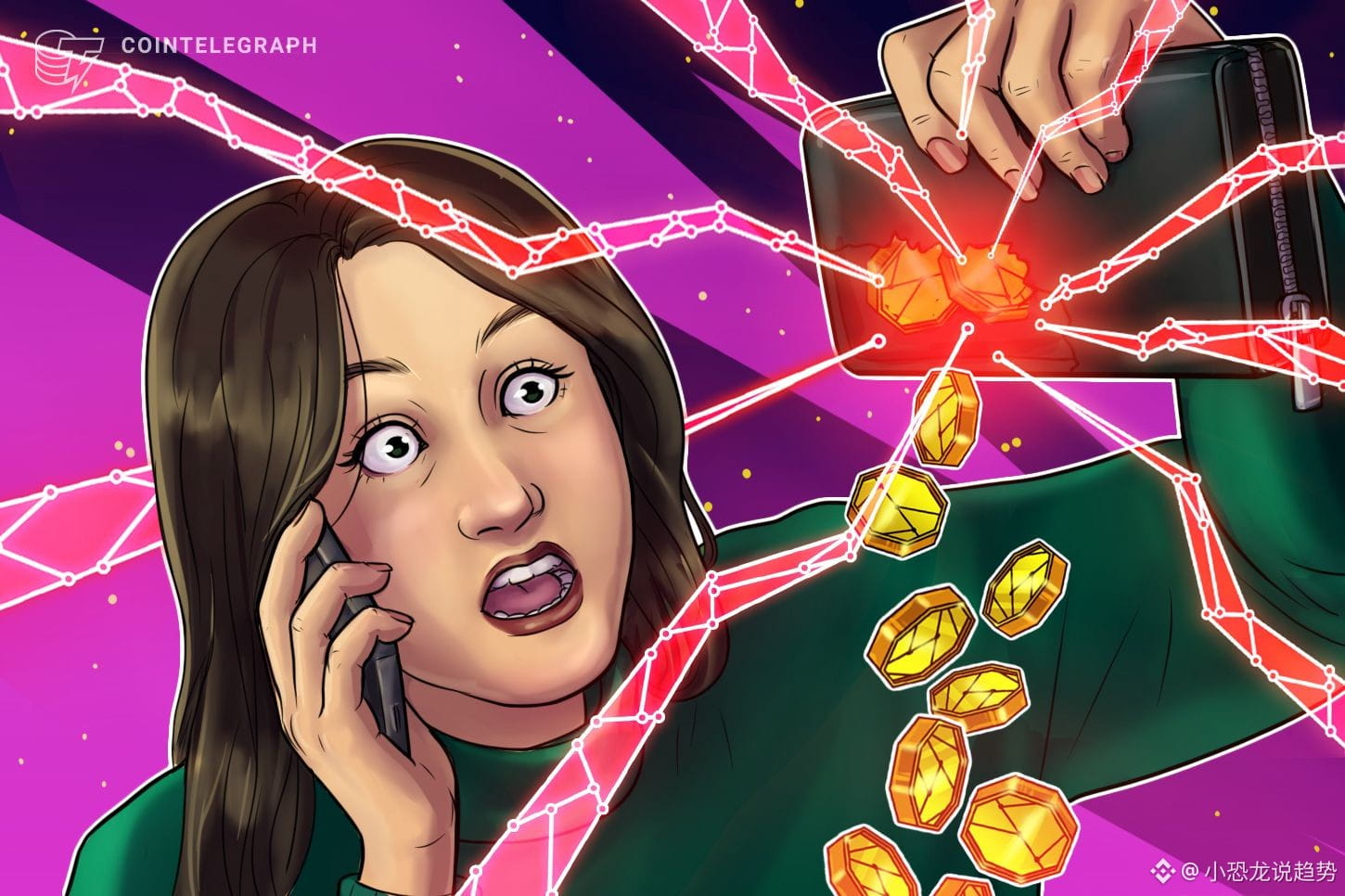
16 South Korean financial institutions hit by the same wave of attacks; 38,490 customer records at one brokerage have already leaked 🦖
📢 ⏰ 消息群里第一时间说
A South Korean exchange discovered on Tuesday that its internal office mobile system had been breached. It reported the incident to the Korea Internet & Security Agency and the Personal Information Protection Commission that same day. The exchange is still checking whether member information was exposed. It stressed that its office system is separate from its virtual asset trading system, so customer assets cannot be accessed through this route.
That point is crucial, and easy to misread: assets being out of reach doesn't mean there's no problem.
First, the bigger picture. Statistics released by South Korea's Financial Supervisory Service on October 14 show that 16 South Korean financial institutions have suffered cyberattacks so far this year. Another brokerage, Daishin Securities, has confirmed that the personal and credit information of 38,490 customers was leaked. Asset manager Mirae Asset has also acknowledged abnormal external access to some of its network systems and is investigating.
In other words, this isn't an isolated incident at one exchange. An entire industry is being probed, one target after another.
Back to this exchange: it's currently strengthening its internal controls as part of a plan to go public in 2028. A security incident at this stage will only bring closer regulatory scrutiny. The questions won't just be about whether anything was lost this time. Regulators will also ask how access permissions were divided, and why employees' phones could connect to member data. ⚠️
My view is that in 2026, exchanges' real exposure has shifted from private keys to employee accounts. Cold wallets, multisig, and withdrawal whitelists can prevent on-chain theft, but they can't protect against an employee's phone being phished.
A stolen private key is a one-time event: once it's gone, it's gone. A stolen employee account is an ongoing threat. Attackers can quietly look around and search for things internally. By the time anyone notices, data may have been circulating online for months.
For ordinary users, the second-order effects are more worth watching than the incident itself. Member records usually include phone numbers, email addresses, and trading habits. Put those together, and you have a highly targeted scam list. Calls from people impersonating customer support, risk control, or account-unfreezing specialists may follow. 📉
So what really matters this time isn't the coin price or whether assets are safe. It's whether the official announcement admits that member data was accessed. If it does, phishing complaints in the South Korean market are likely to rise noticeably over the next few weeks.
Did you use your real phone number or a secondary number when signing up for an exchange? Do you think platforms should provide separate compensation for data leaks? Share your thoughts in the comments.
Every day, I bring you the latest in crypto security and exchange news—not just what happened, but the logic and opportunities behind it. 👀🚀