#fomc会议
A 70% rate-hike expectation was knocked down to 15% by their own people in a month 🦖
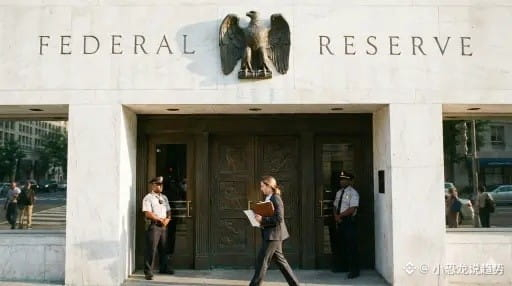
The say-less strategy championed by Fed Chair Warsh after taking office is being publicly undermined by his colleagues. On October 27, Fed watcher Nick Timiraos published a count: from the end of the last policy meeting until the blackout period began this week, 16 officials who had been in office for at least a year gave a total of 59 speeches and public remarks—more than the roughly 54 over the same period a year ago. The chair keeps quiet, while everyone else talks even more 📉
⚡ 有大动静群里说
The market’s reaction is more honest than the speeches. After last month’s rate hike, the market inferred from Warsh’s press conference that consecutive hikes were highly likely. Then two vice chairs said in quick succession that they weren’t in a hurry to act. The probability of a rate hike in October slid from 70% all the way to 15%. No major data showed a clear deterioration during that time. The only thing that changed was who was talking.
That’s the heart of the debate. It’s not about whether to bring back commitment-style forward guidance—hardly any officials want to return to the way things were written before 2021. It’s about whether officials should explain to the public how they’ll respond to changes in the economy. In Bangkok, Warsh said, “I’m not going to say right now what we’ll do at the remaining meetings this year. This is a new chapter for the Fed. We don’t do that anymore.” Richmond Fed President Barkin said he would welcome this becoming standard practice at the institution.
The opposition is just as direct. Cleveland Fed President Hammack said that if households and businesses borrow based on the wrong assumptions, the cost can be very high. She stressed that explaining the framework is not the same as making a promise. St. Louis Fed President Musalem put it more strongly in London: a central bank that keeps quiet about its own framework doesn’t help markets focus on the data; speculation only creates noise ⚖️ Governor Waller described that week as “throwing the baby out with the bathwater.” Former Vice Chair Kohn said that before sending out such a major signal in the past, he would first have checked in with the chair—and this time, that clearly didn’t happen.
My view is that the impact of this on crypto is being underestimated. What’s really been taken away isn’t the rate-hike expectation, but the shared language the market uses to price things. A working group made up of outside experts is drafting recommendations on communication, which are expected to be submitted before the end of the year. Any changes will still need the full committee’s approval. Until then, every data release and every off-the-cuff remark by an official will be magnified into a directional signal. Bitcoin is now around $80,800, and Ethereum around $2,351. The power to price volatility is shifting from the policy path to the wording itself 💥
Do you think the Fed is more transparent now, or just noisier? Let’s talk in the comments.
Every day, we bring you the latest on the Fed and crypto markets—not just what’s happening, but the logic and opportunities behind it 👀🚀