90% of the money is betting on no rate hike this week 🦖 But Goldman Sachs has penciled in one final hike for December
In its October 27 report, Goldman Sachs said the Fed is highly likely to hold rates steady at its policy meeting early Thursday morning Beijing time, keeping them in the 3.75%–4% range. But December could bring the final rate hike of this cycle.
Goldman’s reasoning is straightforward: Since September, the financial conditions index has tightened by only about 30 basis points—not enough to substitute for an actual rate hike. So markets shouldn’t interpret tighter financial conditions as a sign that the hiking cycle is over.
That message is really aimed at two groups: people who see falling stocks and high oil prices and conclude that the Fed won’t dare to act, and bulls who have already started treating no hike as good news.
Market pricing is now sharply divided. CME data shows just a 12% chance of a hike at this week’s meeting, with more than 90% betting on no change. But for the December meeting, some traders are already pricing in a 25-basis-point hike. In other words, people aren’t betting on no hike—they’re betting on a hike later.
Goldman also laid out a timeline: As the effects of tariffs, energy shocks, and AI-related price pressures gradually fade, U.S. inflation will improve in 2027. Under its baseline scenario, the Fed won’t make another move before March 2027. There’s just one wild card: Middle East tensions could push oil prices higher again. Brent crude surged to $117 last Friday, then fell back to $110 on Monday—not far from the comfort zone Goldman described. The latest year-over-year PCE inflation reading was 3.4%.
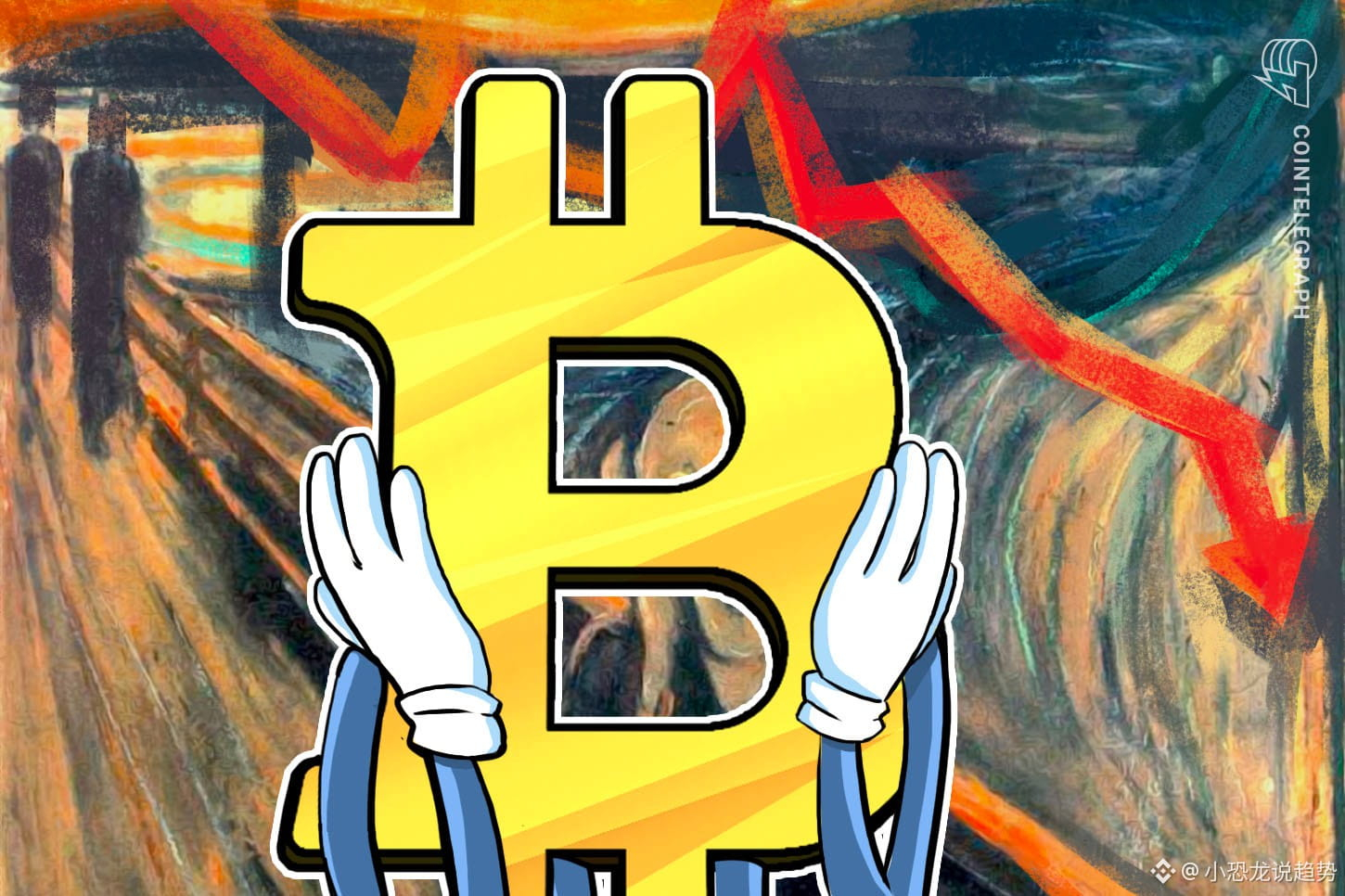
The crypto market is in a more vulnerable position. Bitcoin is currently around $79,688, still 36% below its all-time high of $126,080 📉 Spot Bitcoin ETFs saw net outflows of about $314 million in October, with $773 million withdrawn in just two days last Thursday and Friday. The price is now stuck around $80,000. The $82,000 level is where rallies began in both August and September. If Bitcoin can’t reclaim it, bulls will remain on the back foot. Below that, $75,000 is the key support level identified by a HashKey researcher.
My take: Thursday morning’s decision itself won’t tell us much. What really matters is how Warsh describes December at the press conference. If the language shifts from “data-dependent” to “inflation remains elevated,” the odds of a December hike could jump above their current 30% ⚠️ For the short term, that’s the biggest risk this week.
Do you think there’ll be a hike in December, or is this cycle really over? Share your thoughts in the comments.
I bring you the latest on Bitcoin and the Fed every day—not just what’s happening, but the logic and opportunities behind the headlines 👀🚀
Tap my profile picture to watch the livestream