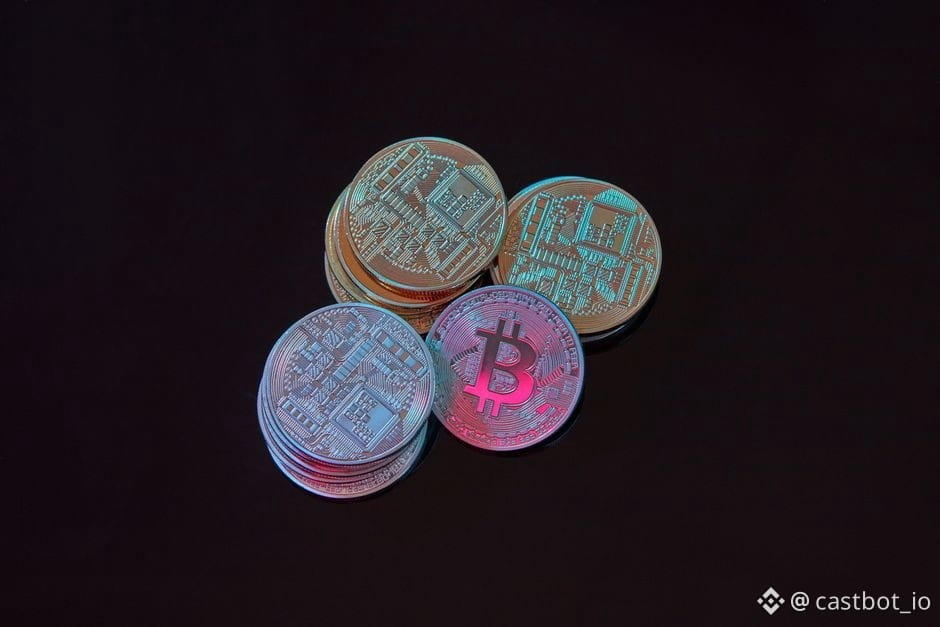
📰 AI Stocks Crash, Inflation Comes in Hotter Than Expected—Why Is BTC Holding Above $80K?
Bitcoin has been struggling lately. After hitting a high of $83,800 early last week, the market was suddenly rattled by hotter-than-expected inflation data and a broad sell-off in AI stocks (Meta, for example, fell more than 20%). Investors rushed for the exits, sending BTC from its high to $80,100 in a week. Fortunately, BTC has shown resilience, rebounding to around $81,000 over the past couple of days. Whether it can hold here depends largely on how the Fed and tech stocks react next.
Why does this news matter?
The main reason for the decline isn’t a problem with Bitcoin itself, but sharp swings in the macroeconomic flow of funds. AI and tech stocks have been heavily hyped lately, but the continued plunge in giants like Meta (down more than 30% last week) is making the market question whether this rally is a bubble. At the same time, inflation data came in hotter than expected again (the article didn’t give specific figures, but said the reading was above forecasts), directly intensifying expectations of Fed rate hikes. For the crypto market, there are two channels through which this can have an impact:
1. **U.S. stocks and stock funds are a major potential source of capital for crypto**: When the U.S. tech sector plunges across the board, as we saw last week with $316M in redemptions from U.S. stock funds, some money may spill over into the smaller crypto market—but overall, risk appetite tends to decline.
2. **Macro interest rates are a cornerstone of the crypto market**: The higher inflation is, the more likely the Fed is to accelerate rate hikes, and the crypto market is far more sensitive to interest rate changes than traditional assets. Last week, expectations of Fed rate hikes had already pushed Bitcoin down from around $80K. The latest AI stock sell-off, combined with inflation, is a double blow.
Market impact
In the short term, BTC holding above $80K is a positive signal, but this level is essentially where macro headwinds and crypto’s own support are battling it out. This means:
- BTC at $80,186 is a key area of balance between bulls and bears, with $81K as the first major resistance above it.
- If the Fed takes a tougher-than-expected stance (for example, announcing a 75-basis-point rate hike in December), BTC could fall further toward $78K (based on past rate-hike cycles, Bitcoin has fallen by more than 5% after each 75-basis-point hike).
- The impact on ETH and other smaller coins could be greater, since they lack BTC’s safe-haven appeal. When AI stocks crash, ETH typically falls 10–15% more than BTC.
Trading outlook
The current view is that BTC has technical support around $80K, but the macro risks haven’t gone away. If the Fed stands pat this week, BTC could continue rebounding toward $82K, though investors should watch for profit-taking at that level. If the Fed suddenly sends a more hawkish signal, the $80K support could quickly give way. Put simply: investors holding BTC right now are like people picking up money on the edge of a cliff—the next move in macro policy will determine whether they can get away with it.
【This view is subject to invalidation】If the Fed announces a December rate hike of more than 50 basis points, or the Nasdaq continues to plunge and falls below 12,000, this assessment of $80K support is invalidated.
This article is not sponsored by any project. The author does not hold any of the assets mentioned.
According to Bitcoinist
$BTC $ETH #BTC #ETH
⚠️ This is not investment advice. Forecasts are for reference only.
#InflationAndAIStockSell-OffRattleCryptoMarkets
$BNB