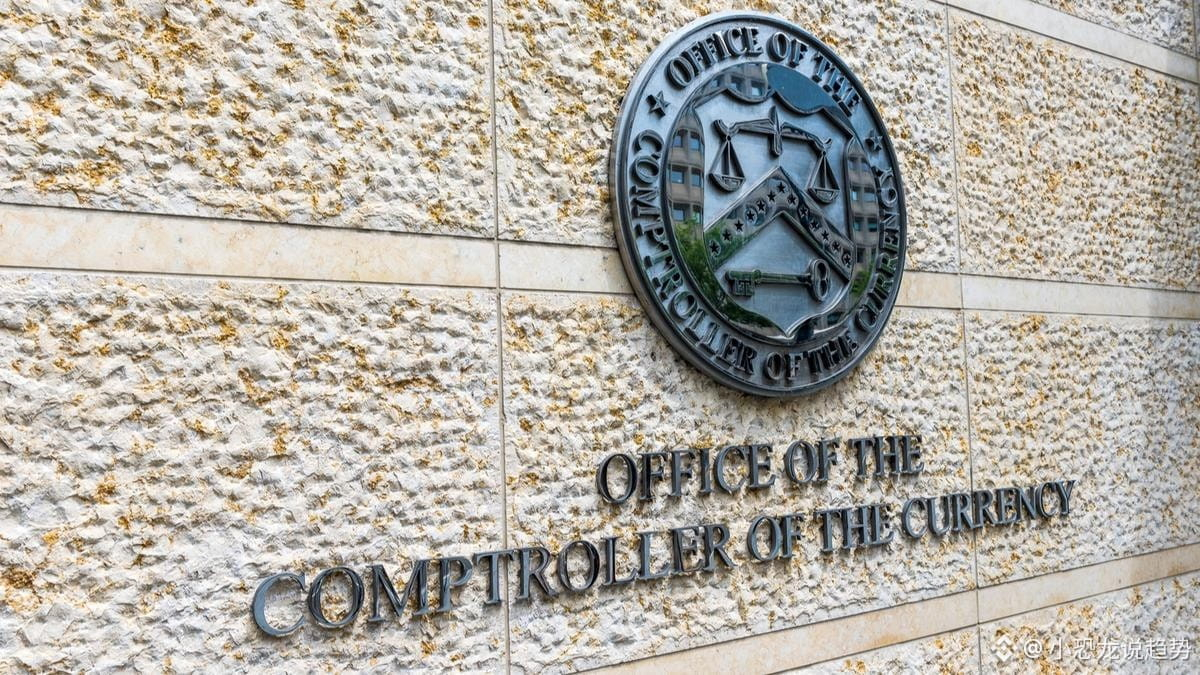
In 83 days, U.S. stablecoin issuers will need a license to issue—and regulators are knocking on the doors of thousands of community banks 🏦
On October 26, the U.S. Office of the Comptroller of the Currency (OCC) publicly invited community banks to apply directly, or through a subsidiary, to become licensed stablecoin issuers under the GENIUS Act. The hard deadline is January 18, 2027—83 days from now 🦖
This date isn’t a media estimate. The OCC spelled it out in Announcement No. 2026-51 on October 21. From that date, federal-level approval of issuers officially takes effect. Issuers without a license must stop. Those that submit a substantially complete application before the deadline can apply for a temporary exemption and keep operating while their application is reviewed ⚖️
The more subtle point is that the OCC hasn’t started accepting applications yet. It says the process won’t open until federal paperwork approval is complete. In other words, it’s issuing the invitation now to get people interested—but the door isn’t open yet.
Why is the OCC so keen to bring in small banks? There are two factors. First, banking groups have long worried that interest-bearing stablecoins could drain deposits from the banking system, so they’ve pushed to restrict stablecoin yields. Second, the OCC itself is under pressure. On October 2, the Independent Community Bankers of America (ICBA) sued the OCC, arguing that it overstepped its authority by granting national trust bank charters to crypto companies. Senator Elizabeth Warren has also demanded an explanation from the OCC for granting charters to nine crypto firms 📉
On the one hand, the OCC is being accused of handing out charters too freely; on the other, it’s encouraging small banks to issue stablecoins. That may seem contradictory, but it’s really part of the same strategy: regulators want to move stablecoin issuance out of the hands of tech companies and back into the licensed banking system. The license—not the technology—is the new moat.
The second-order effects on the market are clear, too. After January 18, competition in the stablecoin sector will shift from who has the most users to who has compliant reserves and the right licenses. Compliance costs will rise for smaller issuers, while the biggest players are likely to benefit. Community banks that obtain licenses may end up serving as distribution channels for big banks and custodians, rather than building their own stablecoin brands.
One more thing: Canada is also seeking feedback on stablecoin rules, with the consultation period running through December 23. The proposed requirements include 1:1 reserves, redemption within three business days, and a redemption fee capped at 1%. Both sides of North America are bringing stablecoins into the banking regulatory framework.
Do you think stablecoins issued by community banks will take business away from the leading issuers, or will they ultimately just do the big banks’ bidding? Let’s talk in the comments.
Every day, I bring you the latest stablecoin regulatory developments—not just what’s happening, but the logic and opportunities behind it 👀🚀