


On October 23, HTX Research published a report analyzing the crypto market outlook before and after the 2026 U.S. midterm elections.
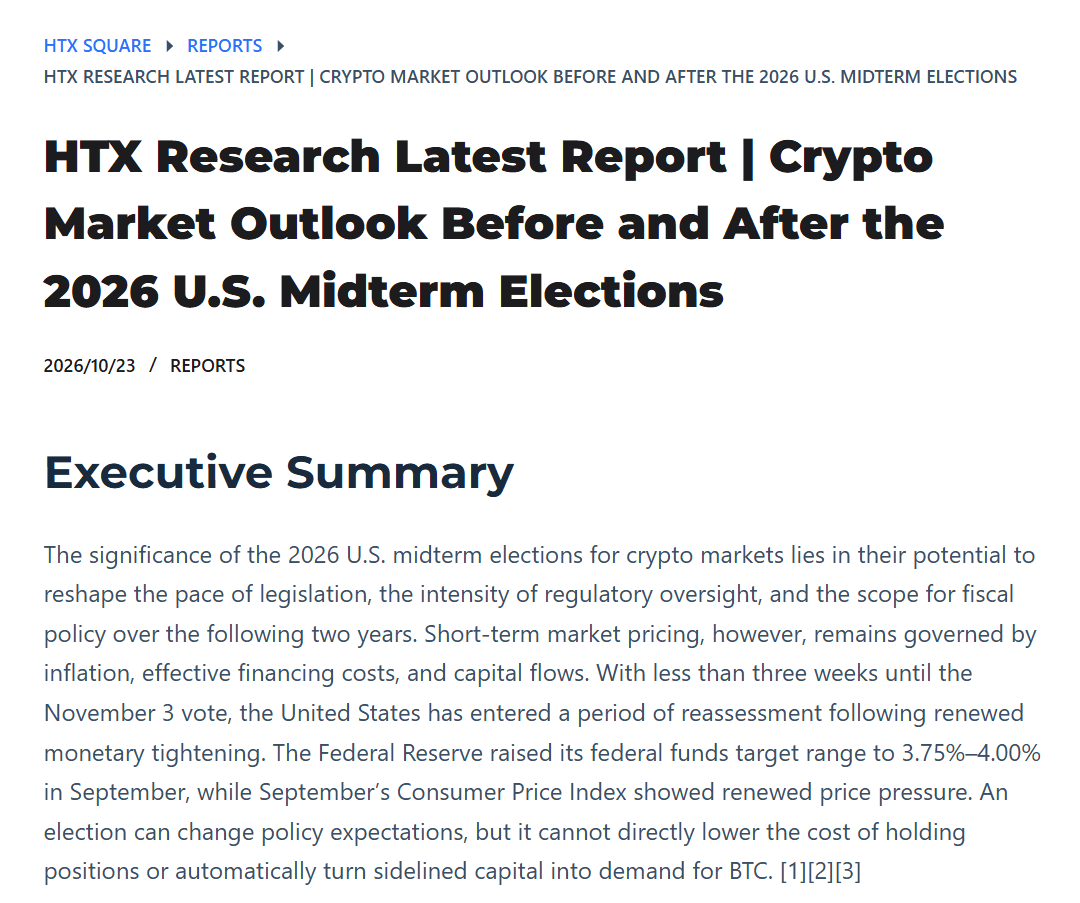
- Accordingly, the election results could change expectations for U.S. digital asset regulation. However, favorable policies alone are not enough to create a sustainable growth cycle if liquidity and capital flows do not improve accordingly.
1. Midterm elections could shift policy expectations
- The U.S. midterm elections will reshape the balance of power in Congress, affecting the prospects for passing bills related to digital assets, stablecoins, and the activities of financial institutions.
- According to HTX, the election results could trigger short-term market reactions, particularly as investors adjust their expectations for the regulatory environment.
=> However, policy expectations, the passage of legislation, and its actual implementation should be viewed as distinct stages. They do not necessarily have equivalent effects on asset prices.
2. ETF flows point to investor caution
- Over the 10 U.S. trading sessions from October 1–14, the HTX report recorded:
Bitcoin ETF $BTC : Net outflows of $537.4 million.
Ethereum ETF $ETH : Net outflows of $825.1 million.
- The data show that ETF flows faced net outflow pressure in early October, despite expectations related to U.S. digital asset policy.
- However, these are absolute figures and have not been normalized for the assets under management (AUM) of each ETF group. In addition, the report uses data through October 15, so it does not fully reflect recent fund flow developments.
3. Does historical data really support a post-election rally?
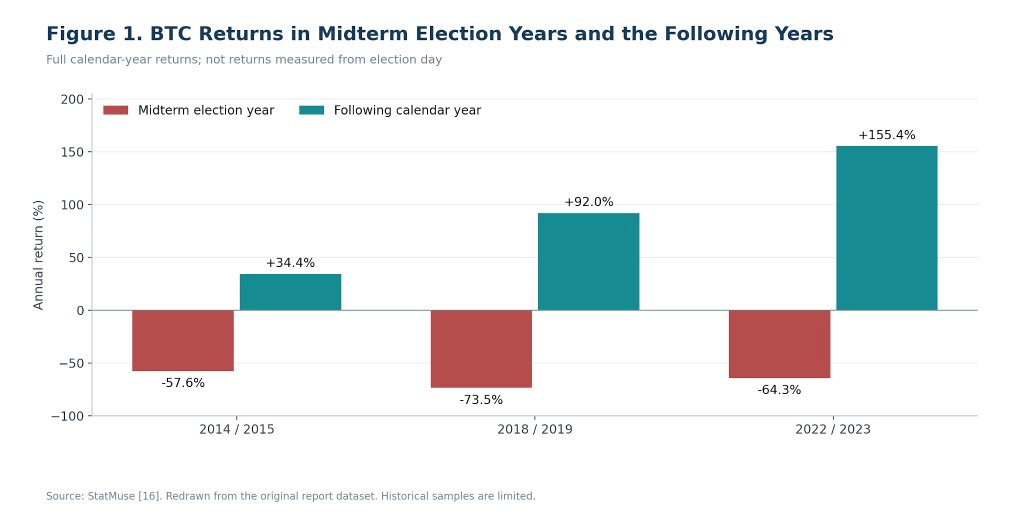
- Reviewing Bitcoin's performance during previous midterm election years—2014, 2018, and 2022—as well as its performance in the following years.
- However, three election cycles make for a relatively small sample. Moreover, Bitcoin's movements during these periods were also influenced by monetary policy, liquidity cycles, and crypto market-specific events.
- Historical data can help inform possible scenarios, but should not be treated as a pattern that is likely to repeat.
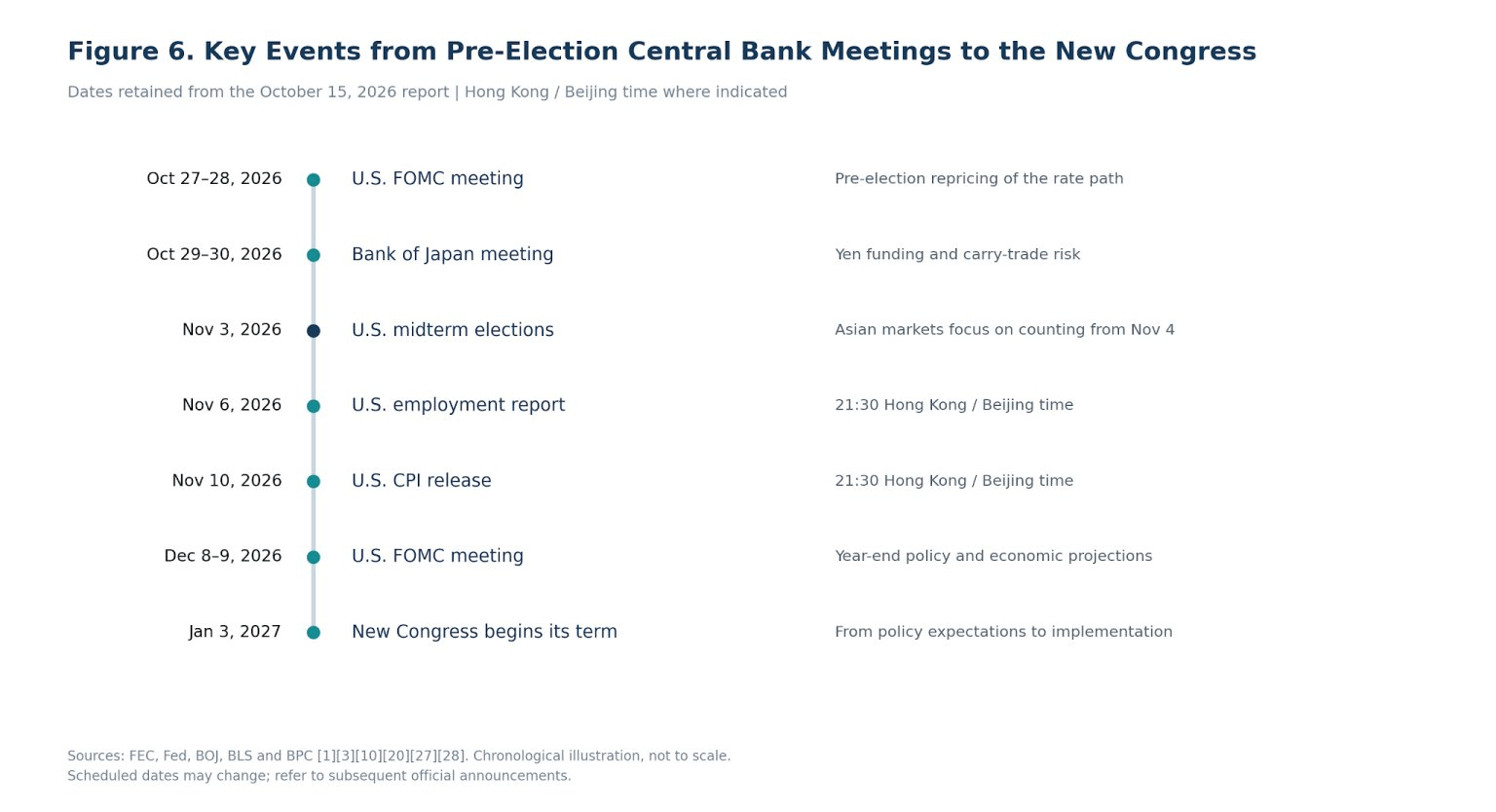
4. What factors will determine the market trend after the election?
- According to HTX, investors should monitor three groups of factors at the same time: capital flows, liquidity conditions, and leverage levels.
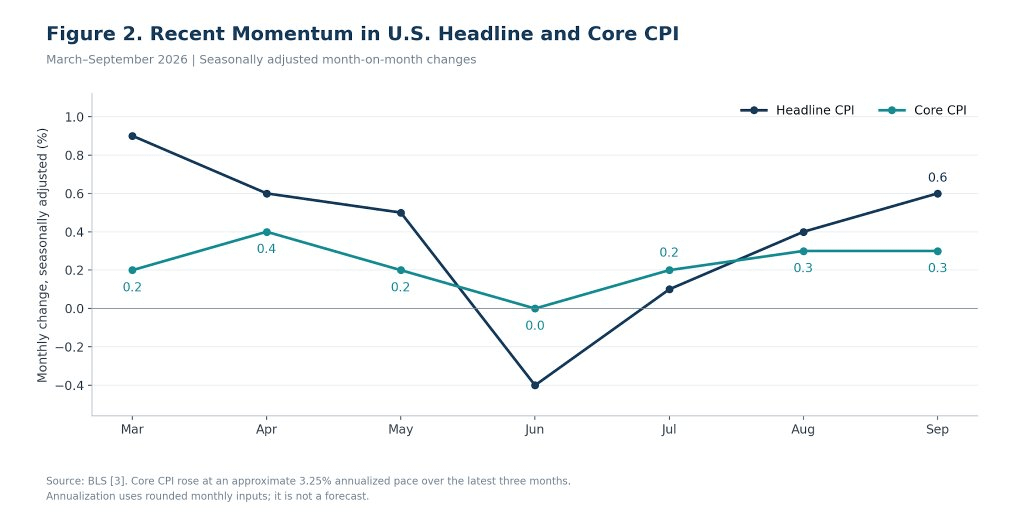
- An election outcome viewed positively by the market could boost expectations in the short term. However, if the cost of capital remains high, ETFs continue to see net outflows, and spot market liquidity fails to improve, the potential for a sustained rally will be limited.
- Conversely, if a more stable policy environment coincides with institutional capital returning to the market, the impact could be more pronounced.
=> In my view, the key issue is not predicting which party will gain control of Congress, but whether the election results will actually change financial institutions' capital allocation decisions.