📰 Why is Starknet pursuing quantum resistance as Ethereum forks become a trend?
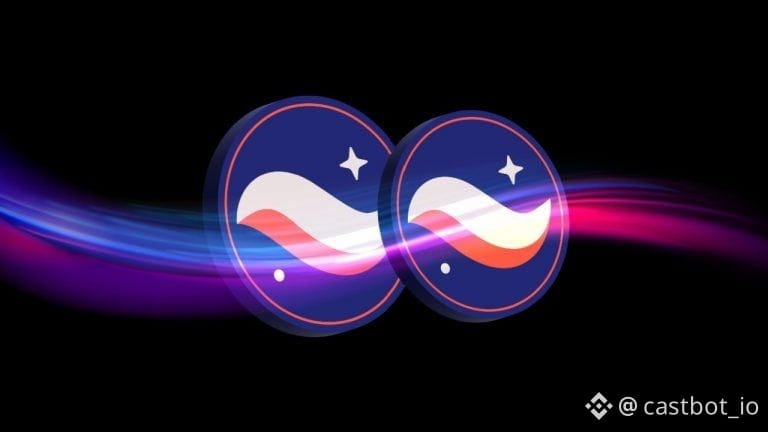
The Starknet community held a vote, and an overwhelming majority agreed to explore leaving its role as an Ethereum Layer 2 and potentially becoming an independent, quantum-resistant Layer 1 blockchain. STRK token holders overwhelmingly supported exploring this direction, with 93.52% voting in favor. This bears some resemblance to the growing number of fork proposals around Ethereum.
Why does this news matter?
Starknet’s decision wasn’t made on a whim; there are several deeper reasons behind it. First, although Layer 2 networks are efficient, they always risk being “drained” by the main chain. Starknet wants to prove it can survive independently. Second, the threat posed by quantum computing is no idle scare: if it becomes a reality, every blockchain in existence could be cracked. Preparing for quantum resistance in advance could be a lifeline. Finally, the wave of Ethereum forks (such as Orthogonal and Puffin) also hints at the limitations of Layer 2. By proactively choosing this path, Starknet may be trying to gain a first-mover advantage.
Market impact
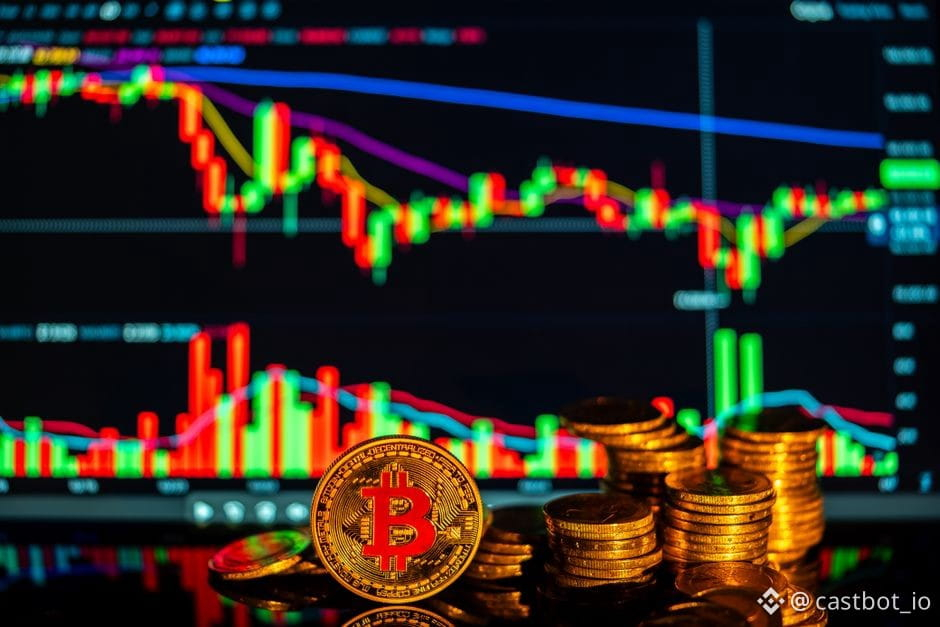
From a market perspective, this looks more like a sentiment-driven event. In the short term, it could bring the Layer 2 versus Layer 1 debate back into focus, but actual capital flows may not change dramatically. Historically, no Layer 2 project has successfully spun off into a Layer 1, because the costs are too high and migrating the ecosystem is difficult. But Starknet has made its intentions unusually clear this time, which could attract capital willing to bet on the future. For ETH and BTC, this may strengthen the Layer 1 narrative in the short term, but long-term trends will still depend on fundamentals. In a nutshell: Starknet is buying itself insurance in advance, but it still has to earn the money to pay for it.
Strategy
For now, Starknet’s decision is more of a strategic signal and has no direct short-term price catalyst. It may only have a material impact if quantum-resistant technology is actually implemented in the future. But commercial applications of quantum computing are still at least a decade away, so betting on them now is premature. If Starknet can find a low-cost way to implement its plan, the market may buy into the thesis. If progress stalls or costs prove too high, the market will soon forget this decision. This assessment would no longer hold if regulations explicitly restrict the use of quantum computing in the future.
This article is not sponsored by any project. The author does not hold any of the assets mentioned.
$BTC $ETH #BTC #ETH
⚠️ This is not investment advice. Forecasts are for reference only.
#StarknetMovesTowardPost-QuantumLayer1asVotersBackEthereumSplit
$SOL