

乘风Sunshine
564 Posts

乘风Sunshine
 Square Verified+
返佣码:CFCF888 |X推特@KeShiqing57753|专注研究大饼BTC |星河社区联合创始人

BNB Holder
Frequent Trader
1.8 Years
421 Following
30.2K+ Followers
13.0K+ Liked
Posts
All
Quotes
Videos
PINNED

长风Nova
·
--
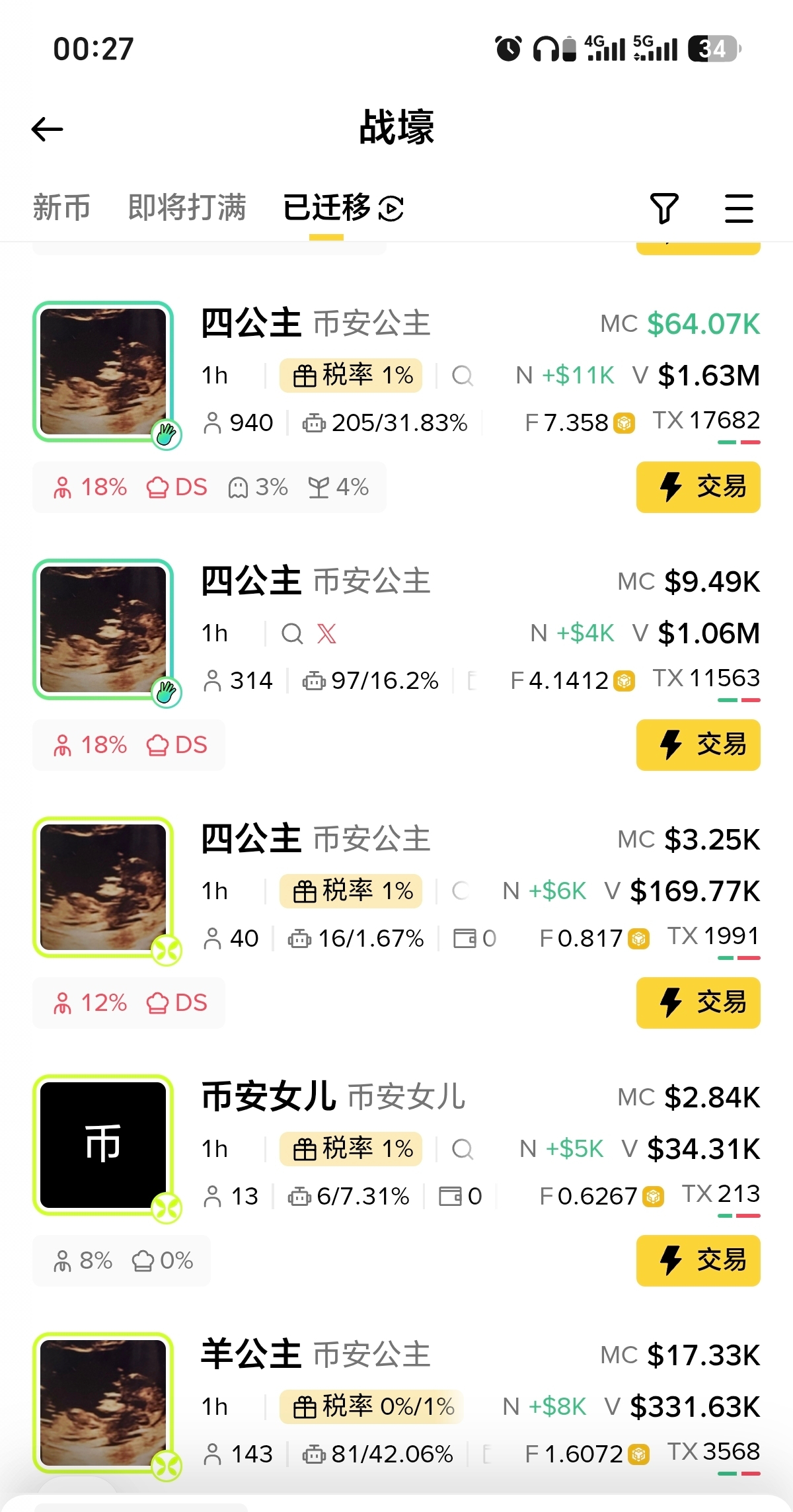
#币安钱包 2026 October 6 — A shitcoin-trading diary. [附20U🧧] The weather was gloomy; I sat around all day.
In the evening, I listened to a livestream by a top female influencer. She made a lot of sense: I can’t keep FOMOing over every little thing celebrities post.
😭 So that night, I looked at the ultrasound scan she posted of her baby and thought, “This one’s a sure thing.” I aped into Binance Princess and Fourth Princess, then got dumped on. A brutally loss-making day.
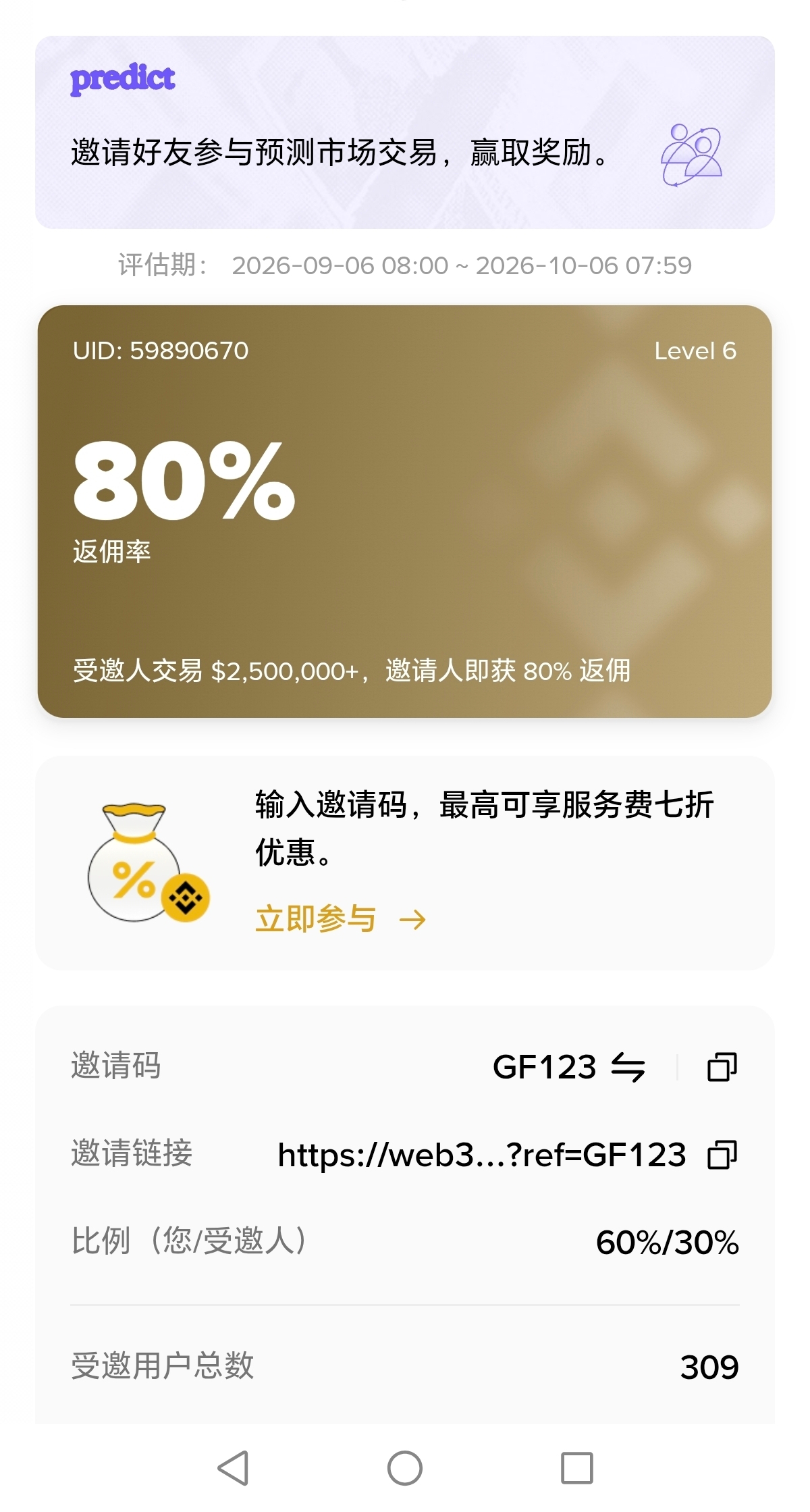
【Use Binance Wallet referral code GF123 for automatic trading fee rebates. How to link it: On the Binance app, go to the Wallet homepage and tap “Invite Friends” → tap “Join Now” in the middle → enter GF123 → tap “OK.” After completing the steps, send a screenshot to the homepage chatroom (Meme Coin King) to receive private perks every month, worth up to 388U.】
Repost + comment to claim a red packet 🧧. The answer is in the post.
In the evening, I listened to a livestream by a top female influencer. She made a lot of sense: I can’t keep FOMOing over every little thing celebrities post.
😭 So that night, I looked at the ultrasound scan she posted of her baby and thought, “This one’s a sure thing.” I aped into Binance Princess and Fourth Princess, then got dumped on. A brutally loss-making day.
【Use Binance Wallet referral code GF123 for automatic trading fee rebates. How to link it: On the Binance app, go to the Wallet homepage and tap “Invite Friends” → tap “Join Now” in the middle → enter GF123 → tap “OK.” After completing the steps, send a screenshot to the homepage chatroom (Meme Coin King) to receive private perks every month, worth up to 388U.】
Repost + comment to claim a red packet 🧧. The answer is in the post.

Sofi紫藤
·
--
Red envelopes 🧧🧧🧧 are waiting for you!
An adult’s trump-card skill is knowing when to pay up and walk away. Don’t waste even one more second on people or things that aren’t worth it. It’s okay to get played now and then or take a small loss. What’s truly costly is the time and emotional energy you keep pouring into it.
Walking away isn’t admitting defeat; it’s rescuing yourself from a bad situation so you can get on with your life.
#币安广场 #sol
An adult’s trump-card skill is knowing when to pay up and walk away. Don’t waste even one more second on people or things that aren’t worth it. It’s okay to get played now and then or take a small loss. What’s truly costly is the time and emotional energy you keep pouring into it.
Walking away isn’t admitting defeat; it’s rescuing yourself from a bad situation so you can get on with your life.
#币安广场 #sol


幸运雨Rain
·
--
🧧 I once saw a Chinese blogger whose child went to school in Iceland. Back when the child was in school in China, they were always fidgeting and constantly getting told off by the teacher. After they started school in Iceland, one day the teacher called the parent over again. They thought the teacher was going to complain about their child, but instead the teacher said, “Your child is a kinesthetic thinker. They need to move around while thinking, so after considering everything, the school has replaced their chair with a yoga ball.” You have no idea how stunned I was when I saw this 🥲
#币安推出BinanceIntelligence
#交易心理
#币安推出BinanceIntelligence
#交易心理


黑猫SabTheTrader
·
--
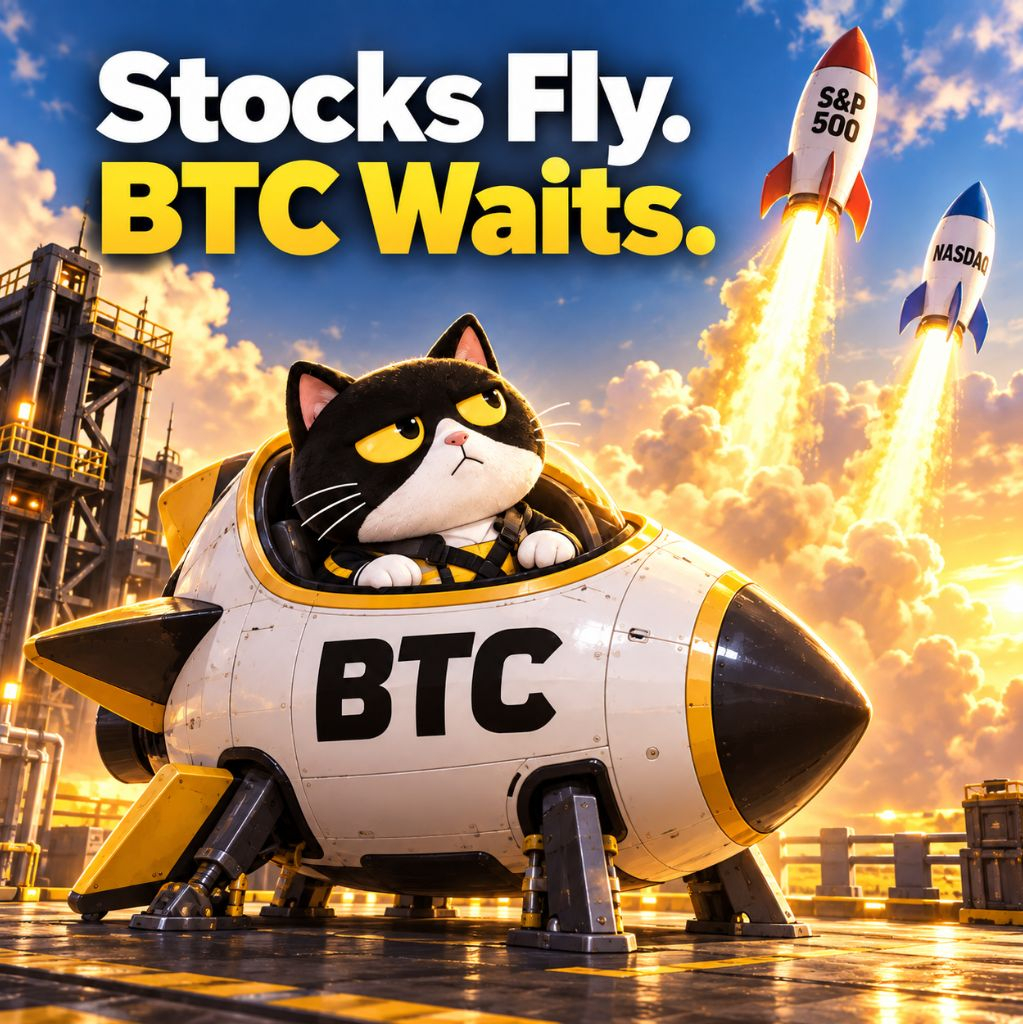
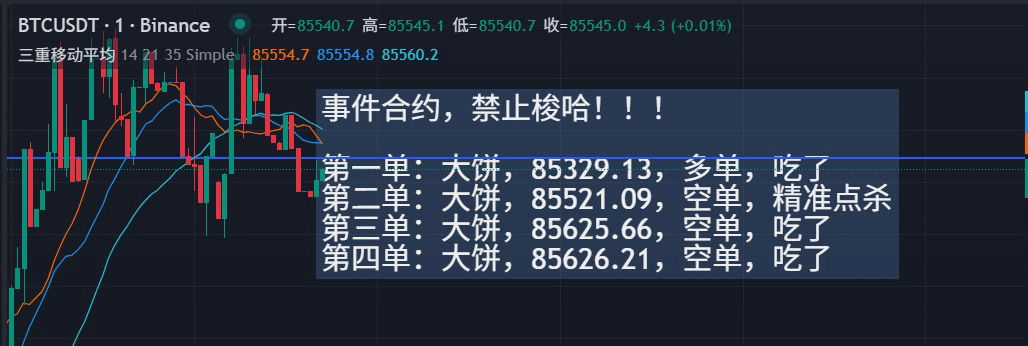
U.S. stocks hit new highs again, so why hasn’t BTC caught up? 👀
On October 6 (U.S. Eastern Time), the S&P 500 rose 0.6% and the Nasdaq gained 0.4%, both setting new closing records, while the small-cap index fell 0.6%.
This rally hasn’t lifted every asset along with it. Don’t assume crypto is about to catch up just because U.S. stocks have hit new highs.
I’ll wait for $BTC to break out on its own and hold on a retest before looking for further gains. If it keeps lagging, let go of the fixation that “it’s its turn now.” Manage your position size, manage your position size.
#比特币跌破8.4万美元
On October 6 (U.S. Eastern Time), the S&P 500 rose 0.6% and the Nasdaq gained 0.4%, both setting new closing records, while the small-cap index fell 0.6%.
This rally hasn’t lifted every asset along with it. Don’t assume crypto is about to catch up just because U.S. stocks have hit new highs.
I’ll wait for $BTC to break out on its own and hold on a retest before looking for further gains. If it keeps lagging, let go of the fixation that “it’s its turn now.” Manage your position size, manage your position size.
#比特币跌破8.4万美元

橙子Joyce
·
--
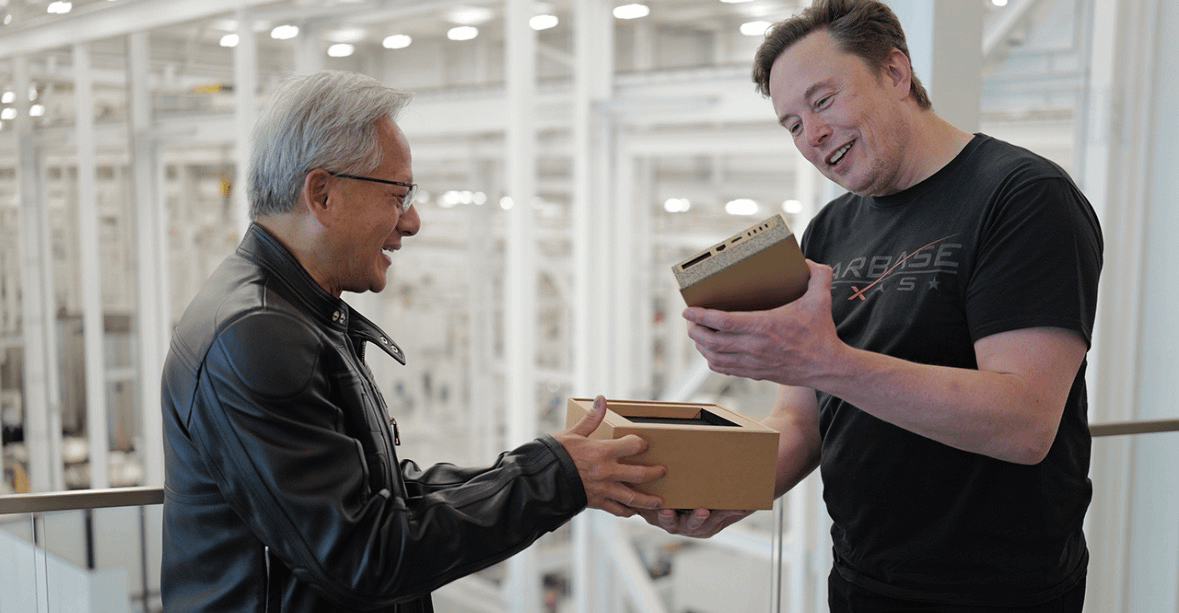
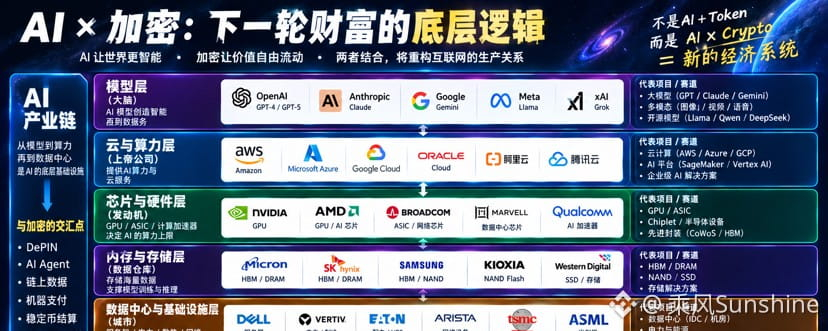
BullishSpaceX plans to raise $40 billion to pour into Nvidia! The AI computing arms race is heating up again 🚀💥
Following its $25 billion bond issuance in June this year, Elon Musk’s SpaceX is making another aggressive push to raise capital. The company plans to raise $40 billion—including $30 billion in investment-grade bonds and $10 billion in bank loans—specifically to make large-scale purchases of Nvidia chips and accelerate its plans for space and AI data centers!
📌 Key points at a glance:
1️⃣ Fully embracing Nvidia’s Vera Rubin architecture
Musk stated unequivocally during an earnings call that SpaceX has decided to build its computing infrastructure entirely on the Nvidia platform. He also said that Vera Rubin is currently the world’s leading AI computing platform, and that the two companies will work closely together on multiple fronts.
2️⃣ Wall Street giant Apollo to lead $40 billion debt financing
The financing will be led by private equity giant Apollo Global Management and distributed to institutional investors. Bond giant Pimco is also among the lenders in discussions, and the deal is expected to close in 2027.
3️⃣ Hidden concerns in the credit market
Although SpaceX has a BBB investment-grade rating, its long-term bonds maturing in 2056 have fallen to around 85 cents on the dollar, with yields approaching junk-bond levels, due to the company’s limited financial disclosures to date. Bringing in Apollo is intended to boost confidence among institutional buyers by leveraging its extensive network and reputation.
4️⃣ AI data centers are “devouring” global capital
From Nvidia’s partnership with Apollo, BlackRock, and others to build a $500 billion financing platform, to the surge in traditional non-institutional private credit, the massive funding needs of AI computing infrastructure are rapidly draining market liquidity.
————————————————————————
💬 With Starlink in space on one hand and enormous computing power on the other, Musk has taken the AI arms race from the ground into space! We remain optimistic about the long-term capital gains from this wave of AI infrastructure investment, and continue investing in SpaceX and Nvidia (NVDA) stocks on Binance Exchange.
#加密货币 #币安推出BinanceIntelligence We’re building BNB for the long term
#币安交易所美股投资
#SpaceX AI Infrastructure
#NVDA
$NVDA.US
$SPCX.US
$AMZN.US
Following its $25 billion bond issuance in June this year, Elon Musk’s SpaceX is making another aggressive push to raise capital. The company plans to raise $40 billion—including $30 billion in investment-grade bonds and $10 billion in bank loans—specifically to make large-scale purchases of Nvidia chips and accelerate its plans for space and AI data centers!
📌 Key points at a glance:
1️⃣ Fully embracing Nvidia’s Vera Rubin architecture
Musk stated unequivocally during an earnings call that SpaceX has decided to build its computing infrastructure entirely on the Nvidia platform. He also said that Vera Rubin is currently the world’s leading AI computing platform, and that the two companies will work closely together on multiple fronts.
2️⃣ Wall Street giant Apollo to lead $40 billion debt financing
The financing will be led by private equity giant Apollo Global Management and distributed to institutional investors. Bond giant Pimco is also among the lenders in discussions, and the deal is expected to close in 2027.
3️⃣ Hidden concerns in the credit market
Although SpaceX has a BBB investment-grade rating, its long-term bonds maturing in 2056 have fallen to around 85 cents on the dollar, with yields approaching junk-bond levels, due to the company’s limited financial disclosures to date. Bringing in Apollo is intended to boost confidence among institutional buyers by leveraging its extensive network and reputation.
4️⃣ AI data centers are “devouring” global capital
From Nvidia’s partnership with Apollo, BlackRock, and others to build a $500 billion financing platform, to the surge in traditional non-institutional private credit, the massive funding needs of AI computing infrastructure are rapidly draining market liquidity.
————————————————————————
💬 With Starlink in space on one hand and enormous computing power on the other, Musk has taken the AI arms race from the ground into space! We remain optimistic about the long-term capital gains from this wave of AI infrastructure investment, and continue investing in SpaceX and Nvidia (NVDA) stocks on Binance Exchange.
#加密货币 #币安推出BinanceIntelligence We’re building BNB for the long term
#币安交易所美股投资
#SpaceX AI Infrastructure
#NVDA
$NVDA.US
$SPCX.US
$AMZN.US

易琳Ten
·
--
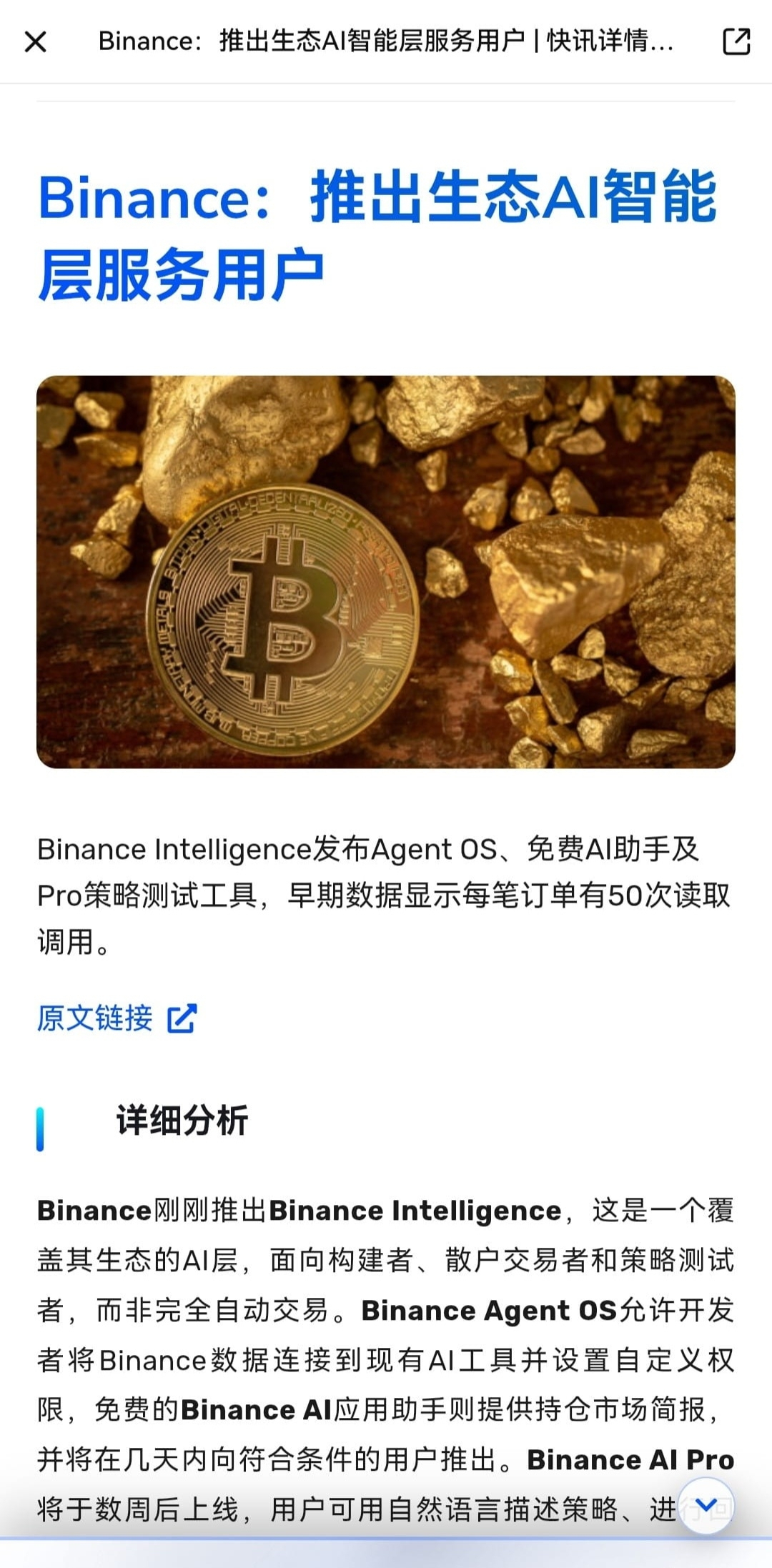
🤖 Binance Intelligence: An “AI Nanny” for Retail Traders
Folks, Binance Intelligence is basically Binance giving everyday retail traders an “AI nanny” 😂
Lots of people have been trading crypto for years and still place orders based on gut feeling:
Buy when it goes up, sell when it goes down. Ask them what their strategy is—
“Buy low, sell high.”
So when is it low? When is it high? No idea 😂
Now AI can bring together loads of market information, data, and analysis, then tailor the content to your experience level: beginners get the simplified version, while seasoned traders get the more technical one.
Even more interestingly, He Yi mentioned that in the future, AI Pro might be able to tell whether you’re a Holder or a Trader, whether you prefer dollar-cost averaging or grid trading, and then match you with structured strategies based on your habits.
In a nutshell:
You used to research strategies yourself; in the future, AI might help you organize them.
But I think it’s important to remember:
AI is a tool, not gospel.
Its greatest value may not be making you smarter, but helping you filter information and cut through the noise so you make fewer dumb mistakes.
As for whether it’ll eventually be able to “create a strategy from one sentence and execute it right away,” we’ll have to wait and see.
After all, no matter how good the tool is, if you can’t keep your hands off the buttons, that’s still on you 😂
What do you think of this AI tool? Would you be willing to use it as a trading assistant?
Folks, Binance Intelligence is basically Binance giving everyday retail traders an “AI nanny” 😂
Lots of people have been trading crypto for years and still place orders based on gut feeling:
Buy when it goes up, sell when it goes down. Ask them what their strategy is—
“Buy low, sell high.”
So when is it low? When is it high? No idea 😂
Now AI can bring together loads of market information, data, and analysis, then tailor the content to your experience level: beginners get the simplified version, while seasoned traders get the more technical one.
Even more interestingly, He Yi mentioned that in the future, AI Pro might be able to tell whether you’re a Holder or a Trader, whether you prefer dollar-cost averaging or grid trading, and then match you with structured strategies based on your habits.
In a nutshell:
You used to research strategies yourself; in the future, AI might help you organize them.
But I think it’s important to remember:
AI is a tool, not gospel.
Its greatest value may not be making you smarter, but helping you filter information and cut through the noise so you make fewer dumb mistakes.
As for whether it’ll eventually be able to “create a strategy from one sentence and execute it right away,” we’ll have to wait and see.
After all, no matter how good the tool is, if you can’t keep your hands off the buttons, that’s still on you 😂
What do you think of this AI tool? Would you be willing to use it as a trading assistant?
灼见Cryptosighted
·
--
With Binance’s move into AI, I think many people only see it as “AI helping you analyze the market.”
But what’s really worth paying attention to is the next step: moving from “telling you what happened” to “helping you turn your ideas into strategies.” 🤖
Binance Intelligence is now divided into three layers:
🔹 Binance AI: Tracks market movements, news, changes in positions, and market signals
🔹 AI Pro: Describe your ideas in natural language to generate trading workflows, which you can simulate and test first
🔹 Agent OS: Lets developers connect AI agents to market data, trading, wallets, and other capabilities
Here’s a simple example:
Before, you might have had to keep an eye on BTC price movements, funding rates, news, and on-chain data yourself.
In the future, you could simply tell AI:
“Alert me when BTC price movements diverge from funding rates, and generate a strategy based on my conditions.”
That’s what I think is most valuable.
AI may not be better than you at predicting whether prices will rise or fall,
but it can organize information faster, follow rules more strictly, and be less affected by emotions.
If this technology truly matures, the most important skill for traders in the future may no longer be “watching the charts.”
It’ll be—
knowing how to explain your trading logic to AI accurately.
Would you let AI execute your trading strategy?
🟢 Yes, I’d start with simulated trading
🔴 No, AI should only be an assistant
#BTC #ETH #BNB
But what’s really worth paying attention to is the next step: moving from “telling you what happened” to “helping you turn your ideas into strategies.” 🤖
Binance Intelligence is now divided into three layers:
🔹 Binance AI: Tracks market movements, news, changes in positions, and market signals
🔹 AI Pro: Describe your ideas in natural language to generate trading workflows, which you can simulate and test first
🔹 Agent OS: Lets developers connect AI agents to market data, trading, wallets, and other capabilities
Here’s a simple example:
Before, you might have had to keep an eye on BTC price movements, funding rates, news, and on-chain data yourself.
In the future, you could simply tell AI:
“Alert me when BTC price movements diverge from funding rates, and generate a strategy based on my conditions.”
That’s what I think is most valuable.
AI may not be better than you at predicting whether prices will rise or fall,
but it can organize information faster, follow rules more strictly, and be less affected by emotions.
If this technology truly matures, the most important skill for traders in the future may no longer be “watching the charts.”
It’ll be—
knowing how to explain your trading logic to AI accurately.
Would you let AI execute your trading strategy?
🟢 Yes, I’d start with simulated trading
🔴 No, AI should only be an assistant
#BTC #ETH #BNB








Log in to explore more content