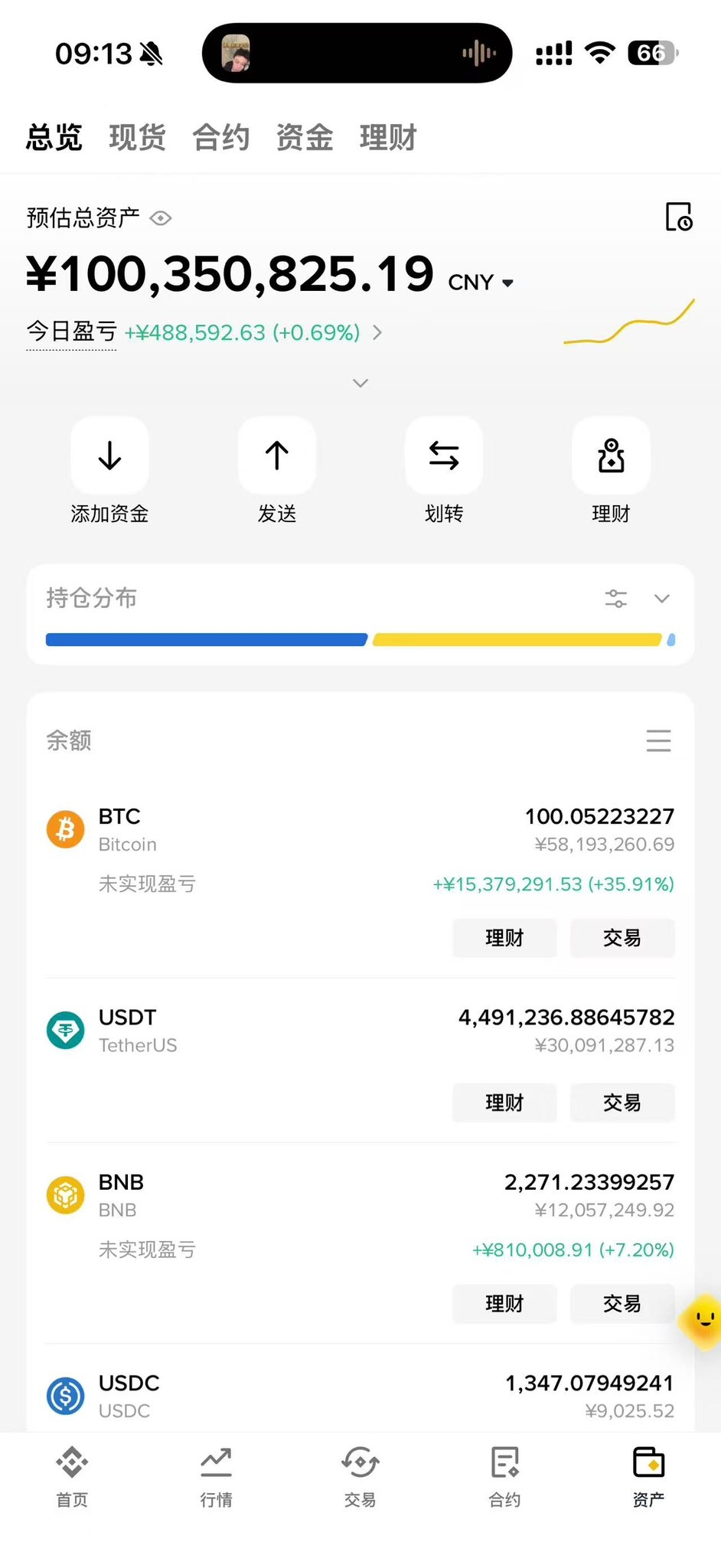
Have less than 3,000 U to work with? Stop messing around and hear me out—I’ve got a simple strategy that gives you the best chance of staying in the game: avoid getting liquidated and grow your funds gradually.
Step one: choose coins based on just one signal—the daily MACD golden cross. Ignore all other news; no matter how persuasive it sounds, nothing beats an indicator. Ideally, look for a golden cross above the zero line, as it tends to be more reliable. MACD filters out most false signals: a golden cross means bullish momentum is picking up, while a death cross means bears have the upper hand. You don’t need to understand it in depth—just remember that rule.
Step two: base your trades on just one line—the 30-day moving average. Hold when the price is above it; exit when it falls below. A break below means you’re out—that’s a rule, not a suggestion. Many people lose money because they keep hoping for a rebound after the price breaks below the moving average, only to get stuck deeper and deeper. I’ve made that mistake myself, so now I exit as soon as it breaks—no questions asked.
Step three: use price and volume to time your entries and exits. It’s worth entering only when the price moves above the moving average and trading volume rises to at least 1.5 times its usual level. Breakouts without volume are usually false; if the big players haven’t entered, you’ll just be left holding the bag. After entering, set your stop-loss 2% to 3% below the moving average as a safety cushion. Take profits in three stages: sell one-third after a 30% gain to lock in profits; sell another third after a 60% gain; then set a break-even stop on the rest and let the profits run. If the price breaks below the moving average, close the entire position, no matter how much you have left—don’t hesitate.
Step four: there’s only one rule for cutting losses: if the closing price falls below the moving average, exit unconditionally the next day. One lucky escape can be all it takes to give back everything you’ve made. It’s okay if you miss the move—just buy back in when the price gets back above the moving average and volume picks up again. There will always be other opportunities, but you only get one shot with your principal.
This strategy isn’t clever—in fact, it’s a little simplistic. But that’s exactly why it’s easy for retail traders to follow and less likely to get them knocked out: you don’t need to watch the market every day or predict where prices are headed. You just need to follow the rules mechanically.
There are always opportunities in the market, but without discipline, you won’t be able to seize them, no matter how many there are. If you want to build some discipline and stick to it, come talk to me.
Step one: choose coins based on just one signal—the daily MACD golden cross. Ignore all other news; no matter how persuasive it sounds, nothing beats an indicator. Ideally, look for a golden cross above the zero line, as it tends to be more reliable. MACD filters out most false signals: a golden cross means bullish momentum is picking up, while a death cross means bears have the upper hand. You don’t need to understand it in depth—just remember that rule.
Step two: base your trades on just one line—the 30-day moving average. Hold when the price is above it; exit when it falls below. A break below means you’re out—that’s a rule, not a suggestion. Many people lose money because they keep hoping for a rebound after the price breaks below the moving average, only to get stuck deeper and deeper. I’ve made that mistake myself, so now I exit as soon as it breaks—no questions asked.
Step three: use price and volume to time your entries and exits. It’s worth entering only when the price moves above the moving average and trading volume rises to at least 1.5 times its usual level. Breakouts without volume are usually false; if the big players haven’t entered, you’ll just be left holding the bag. After entering, set your stop-loss 2% to 3% below the moving average as a safety cushion. Take profits in three stages: sell one-third after a 30% gain to lock in profits; sell another third after a 60% gain; then set a break-even stop on the rest and let the profits run. If the price breaks below the moving average, close the entire position, no matter how much you have left—don’t hesitate.
Step four: there’s only one rule for cutting losses: if the closing price falls below the moving average, exit unconditionally the next day. One lucky escape can be all it takes to give back everything you’ve made. It’s okay if you miss the move—just buy back in when the price gets back above the moving average and volume picks up again. There will always be other opportunities, but you only get one shot with your principal.
This strategy isn’t clever—in fact, it’s a little simplistic. But that’s exactly why it’s easy for retail traders to follow and less likely to get them knocked out: you don’t need to watch the market every day or predict where prices are headed. You just need to follow the rules mechanically.
There are always opportunities in the market, but without discipline, you won’t be able to seize them, no matter how many there are. If you want to build some discipline and stick to it, come talk to me.