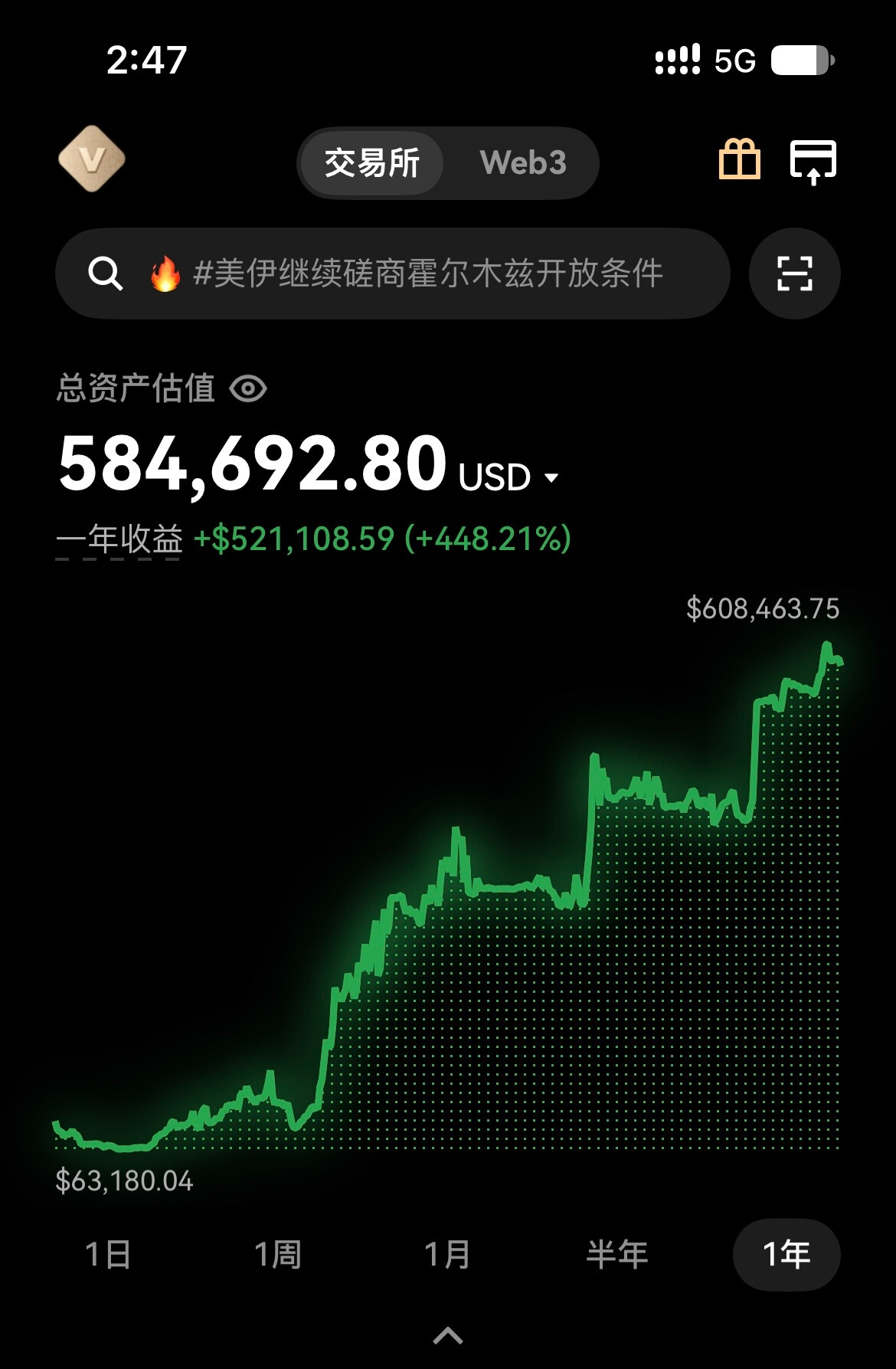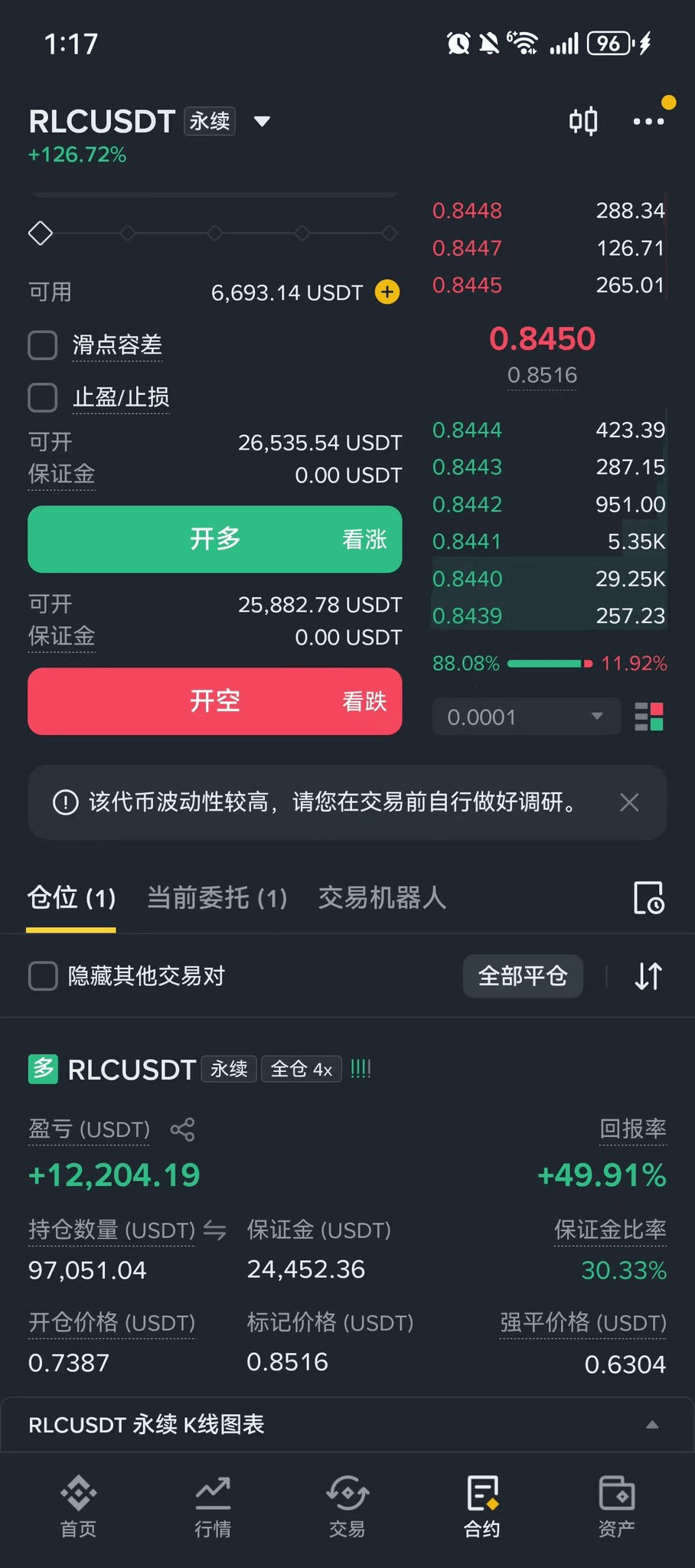
From 60,000 to 6 million, I used just this one method—don’t think it’s some kind of magic. I had no inside information and nobody coached me. Looking back, it comes down to one thing: the more you meddle, the more you lose; the simpler you keep it, the more you make.
When I started out, I watched the charts all day, chased hot trends, and followed tips. That was when I lost money fastest. Later, I changed my approach: I made just one move and waited for just one chart pattern.
My three stages: 60,000 to 1 million took a year and a half; 1 million to 4 million took a little over six months; 4 million to 6 million took three or four months. It got faster as I went along—not because the market changed, but because I finally learned to do less. The fewer trades I made, the faster my account grew.
I trade just one pattern: the W bottom. I don’t act when the first low forms; I wait for a rebound and then a pullback. I only enter when the second low holds above the previous low and volume starts picking up. I place my stop-loss three points below the bottom, and set my take-profit at a 1:1 distance after the neckline breaks. No adding to positions, no averaging down, no holding and hoping—if I’m wrong, I cut the loss; if I’m right, I stay in. My win rate isn’t high, but the risk-reward ratio makes it worthwhile: I can lose six out of ten trades and still make money.
A lot of people laugh at how rigid I am and say there’s no skill involved. They study a dozen indicators and change strategies every day, while their accounts get smaller and smaller. Me? I check the chart once each morning. If there’s no W bottom, I shut down my computer and get on with my day.
After I started making money, I did a few things: when I reached 1 million U, I withdrew all my principal; at 4 million U, I took half out and converted it into spot assets and wealth-management products. I let the remaining profits keep running. I’m not afraid of where the market goes, because I’d already put myself in a position where I couldn’t lose everything.
I’ve never broken these three rules: don’t enter early—wait for the pattern to complete; don’t hold a losing trade—if the level breaks, get out immediately; and don’t let your profits stay as just numbers—once you’ve made enough, move the money out.
There’s no guaranteed way to win in crypto, only filtering and waiting. If you can sit through the boredom and resist temptation, the rest of the profits are what the market gives you. If you want to master this one method, come talk to me.
When I started out, I watched the charts all day, chased hot trends, and followed tips. That was when I lost money fastest. Later, I changed my approach: I made just one move and waited for just one chart pattern.
My three stages: 60,000 to 1 million took a year and a half; 1 million to 4 million took a little over six months; 4 million to 6 million took three or four months. It got faster as I went along—not because the market changed, but because I finally learned to do less. The fewer trades I made, the faster my account grew.
I trade just one pattern: the W bottom. I don’t act when the first low forms; I wait for a rebound and then a pullback. I only enter when the second low holds above the previous low and volume starts picking up. I place my stop-loss three points below the bottom, and set my take-profit at a 1:1 distance after the neckline breaks. No adding to positions, no averaging down, no holding and hoping—if I’m wrong, I cut the loss; if I’m right, I stay in. My win rate isn’t high, but the risk-reward ratio makes it worthwhile: I can lose six out of ten trades and still make money.
A lot of people laugh at how rigid I am and say there’s no skill involved. They study a dozen indicators and change strategies every day, while their accounts get smaller and smaller. Me? I check the chart once each morning. If there’s no W bottom, I shut down my computer and get on with my day.
After I started making money, I did a few things: when I reached 1 million U, I withdrew all my principal; at 4 million U, I took half out and converted it into spot assets and wealth-management products. I let the remaining profits keep running. I’m not afraid of where the market goes, because I’d already put myself in a position where I couldn’t lose everything.
I’ve never broken these three rules: don’t enter early—wait for the pattern to complete; don’t hold a losing trade—if the level breaks, get out immediately; and don’t let your profits stay as just numbers—once you’ve made enough, move the money out.
There’s no guaranteed way to win in crypto, only filtering and waiting. If you can sit through the boredom and resist temptation, the rest of the profits are what the market gives you. If you want to master this one method, come talk to me.