#以太坊质押退出队列创2026年新高 When people calculate the returns on ETH staking, they rarely put a price on how long it takes to exit.
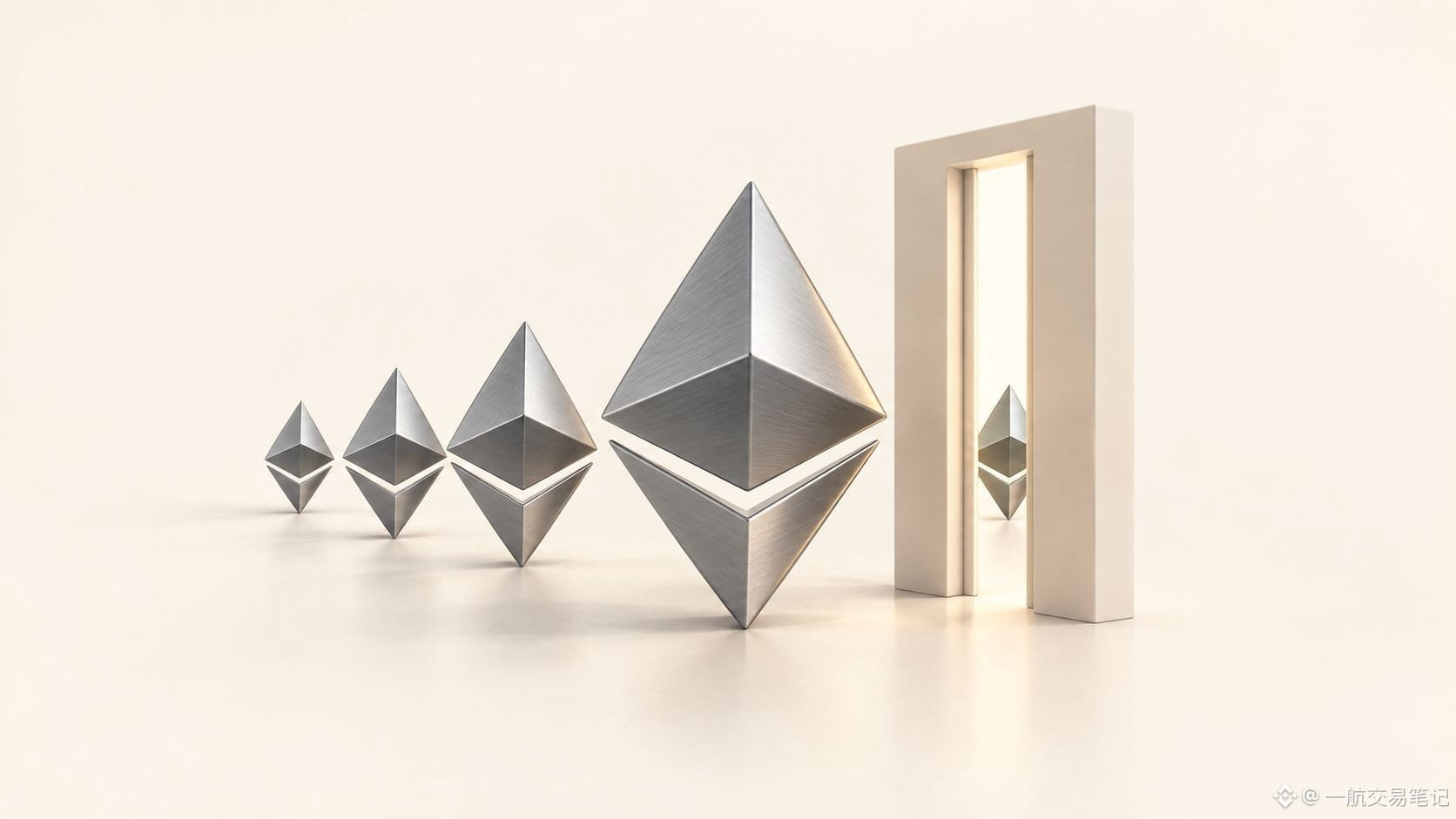
Ethereum’s staking exit queue has hit a new high for 2026. As of October 5, around 786,000 ETH were waiting to exit, with a wait of nearly 14 days, followed by withdrawal processing.
This surge is related to preventive exits by MetaMask validators. Lido expects the ETH involved to be gradually restaked, so there isn’t enough evidence to treat the entire queue as ETH poised to be dumped on the market.
But there’s a more consequential question for returns: what if you need the money today?
People holding staking tokens such as stETH can exchange them for ETH on the secondary market. However, the price they get depends on market supply and demand, as well as trading depth.
If many people are rushing to exit and few are willing to buy, they may have to accept a lower price. The wait for protocol redemptions also depends on factors such as available buffer funds, so you can’t simply apply the validators’ 14-day queue time.
Assume an annual yield of 3%. If an urgent exchange costs you 1%, that’s equivalent to losing about four months of yield.
This is an illustrative calculation; it doesn’t mean that stETH is currently trading at a 1% discount.
So the key things to watch next are the price of stETH-to-ETH exchanges, actual redemption times, and slippage on large trades. If these indicators deteriorate significantly, that would provide more direct evidence of liquidity pressure.
Staking yields are presented on an annual basis, while liquidity costs may all come due on the day you urgently need your money.
Putting money you’ll need in the short term into long-term staking for yield creates a maturity mismatch—and that’s more concerning than earning a slightly lower APR.
#以太坊质押退出队列创2026年新高 #ETH
Ethereum’s staking exit queue has hit a new high for 2026. As of October 5, around 786,000 ETH were waiting to exit, with a wait of nearly 14 days, followed by withdrawal processing.
This surge is related to preventive exits by MetaMask validators. Lido expects the ETH involved to be gradually restaked, so there isn’t enough evidence to treat the entire queue as ETH poised to be dumped on the market.
But there’s a more consequential question for returns: what if you need the money today?
People holding staking tokens such as stETH can exchange them for ETH on the secondary market. However, the price they get depends on market supply and demand, as well as trading depth.
If many people are rushing to exit and few are willing to buy, they may have to accept a lower price. The wait for protocol redemptions also depends on factors such as available buffer funds, so you can’t simply apply the validators’ 14-day queue time.
Assume an annual yield of 3%. If an urgent exchange costs you 1%, that’s equivalent to losing about four months of yield.
This is an illustrative calculation; it doesn’t mean that stETH is currently trading at a 1% discount.
So the key things to watch next are the price of stETH-to-ETH exchanges, actual redemption times, and slippage on large trades. If these indicators deteriorate significantly, that would provide more direct evidence of liquidity pressure.
Staking yields are presented on an annual basis, while liquidity costs may all come due on the day you urgently need your money.
Putting money you’ll need in the short term into long-term staking for yield creates a maturity mismatch—and that’s more concerning than earning a slightly lower APR.
#以太坊质押退出队列创2026年新高 #ETH