
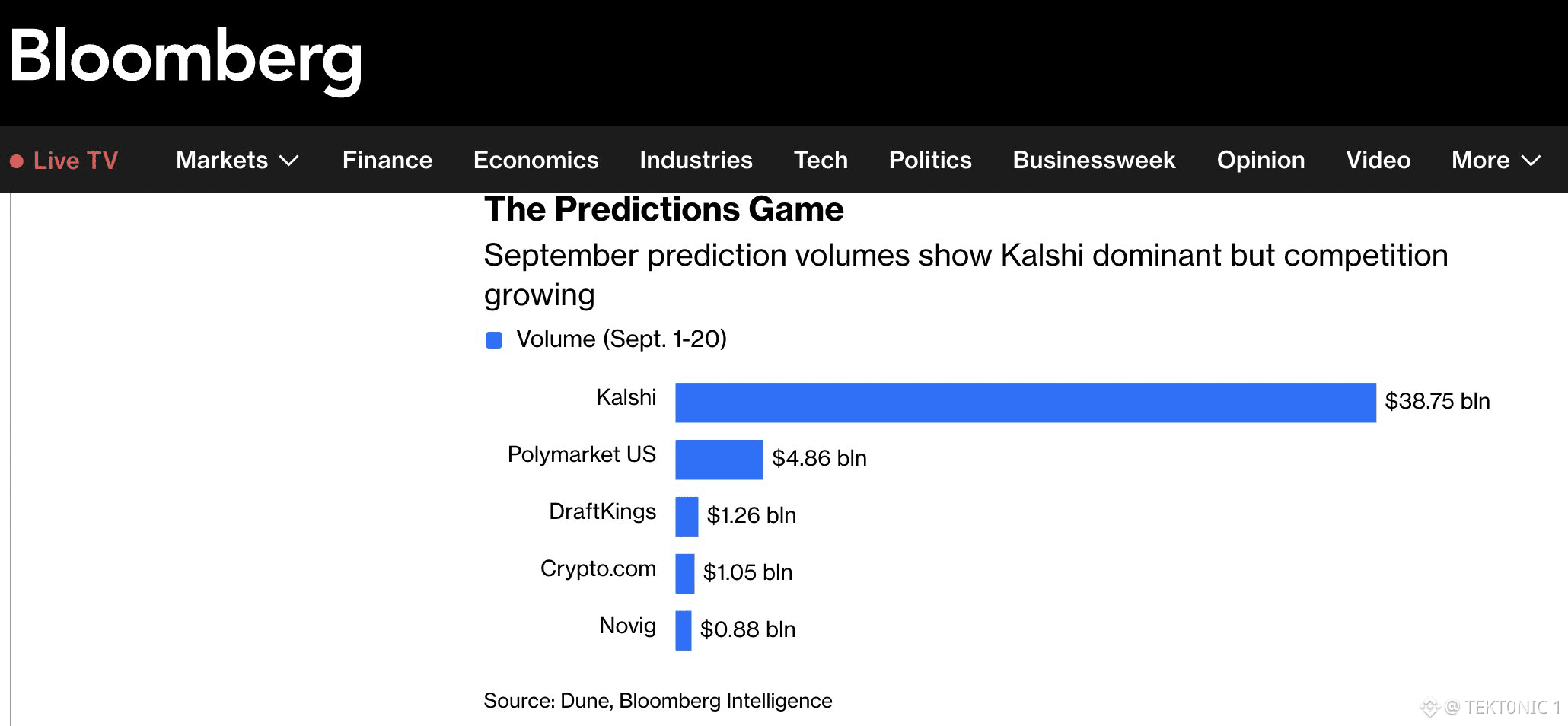
trading volume is useful, but I think prediction markets are showing why volume alone isn’t enough. the recent Kalshi debate is a good example. CoinDesk found that recurring fixed-dollar trades accounted for 57% of sampled $ETH perpetual volume and 54% of sampled $BTC volume. That raised questions about what was actually driving the reported activity. CoinDesk Kalshi pushed back, saying the trades came from a market maker providing liquidity and that hundreds of distinct traders were taking the other side. It also said it blocks self-trading and monitors for coordinated activity. Kalshi News so this doesn’t prove the volume was fake. but it does highlight the issue. $500M in volume can look very different depending on who generated it. when evaluating prediction markets, I’d look beyond volume: → unique traders → open interest → trade-size distribution → liquidity → repeat activity → incentives behind the volume volume tells you how much traded. it doesn’t always tell you how real the demand is. #BTC Price Analysis# #Bitcoin Price Prediction: What is Bitcoins next move?# $BTC $ETH #Macro Insights#


Post
Disclaimer: Includes third-party opinions. No advice. Binance AI may be used without guarantee. See T&Cs.