Shield AI Deploys X-BAT Production Base, Continues Deepening Strategic Partnership with Taiwan
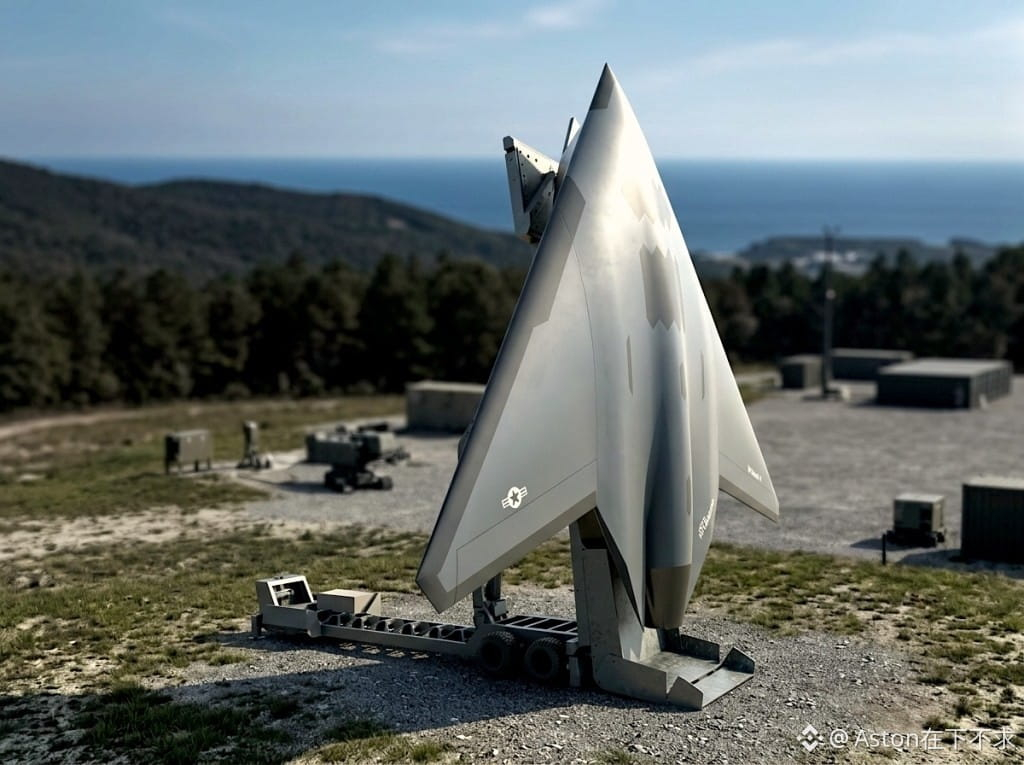
Defense technology company Shield AI (Shield AI) announced its production and testing plans for X-BAT, the world’s first smart, autonomous- piloted attack aircraft, and said it will further deepen cooperation with Taiwan’s supply chain. By leveraging cross-state supply-chain division and localized procurement strategies, the company aims to accelerate mass production of vertical takeoff and landing (VTOL) autonomous aerial vehicles and deploy them for defense applications in Taiwan and the United States. Kansas and Washington to handle mass production and testing Shield AI’s plan for the X-BAT project divides it into three major production bases for a vertically integrated product life cycle. The X-Forge 2 factory in Newton, Kansas is mainly responsible for flight acceptance testing, R&D flight tests, and subsequent fleet maintenance, repair, and overhaul (MRO) operations. The X-Forge 3 factory in Des Moines, Washington will take on the primary production tasks, combining the region’s resources of more than 45,000 aerospace-skilled workers and 1,500 suppliers. In addition, the X-Forge 1 factory, the prototype development base in Frisco, Texas, completes the trio—together covering X-BAT’s operational support across the full lifecycle, from prototype development, to manufacturing and delivery. X-BAT is expected to begin production in 2029 and reach full-rate production in the early 2030s. An economic benefits analysis report shows that the Newton facility is expected to create about 2,900 jobs by 2046, contributing about $5 billion to the local economy. The Tacoma-Bellevue area in Seattle is projected to create about 27,000 jobs by 2046 and contribute $73 billion to the economy. The Texas region is expected to create about 7,900 jobs by 2046, with estimated economic benefits of $18.6 billion. X-BAT: the world’s first smart autonomous- piloted attack aircraft X-BAT is the world’s first AI-piloted attack aircraft with vertical takeoff and landing capability, long-range performance, and high survivability. It can conduct missions from aircraft carriers, islands, or remote areas without runways. Powered by a F110 engine manufactured by GE Aerospace, its internal weapons bay payload capacity is comparable to the F-35’s, able to carry up to 2,000 pounds of weapon payload. The combat radius is 1,000 nautical miles, supporting high-power electronic warfare and ISR (intelligence, surveillance, and reconnaissance) missions. Its core technology is the Hivemind autonomous flight software developed by Shield AI. This software enables unmanned aircraft to independently perform environmental sensing, mission planning, and decision execution in denied environments such as GPS signal jamming and communications interruptions, without relying on external signals or human operation. Related flight testing is scheduled to begin before the end of this year. V-BAT expands procurement of components from Taiwan suppliers For deployments in the Asia-Pacific defense theater, Shield AI is carrying out close business cooperation with Taiwan’s defense industry. Its partners include the National Chung-Shan Institute of Science and Technology, Hanxiang (2364), and Rigel Technology. Shield AI co-founder Tseng Kuo-kuang said the company is expanding its procurement in Taiwan, increasing the share of Taiwan-sourced supplier components and materials for V-BAT, its flagship long-range tactical reconnaissance VTOL unmanned aerial vehicle. The proportion is expected to rise from the current 16% to 25%. Procurement items include PCBA (printed circuit board assembly) and various electronic components. In addition, Shield AI plans to expand its Taiwan team size from 11 people to 20 within the next nine to 12 months, and establish procurement engineering positions in Taichung. Under a mid-term plan, the company expects to hire several hundred employees within 3 to 5 years. On the technical and business fronts, in addition to assisting the Chung Shan Institute of Science and Technology in developing an AI Pilot (smart flight pilot) autonomous system, the company is also working with Rigel Technology to introduce software to accelerate domestic UAV mass production. In the fields of policing and coast guard operations, V-BAT has already begun cooperation with the Coast Guard Administration, with Hanxiang responsible for project management and logistics maintenance. The company also plans to participate in future UAV procurement tenders related to Taiwan’s Ministry of National Defense. (Hanxiang Blackwing X unmanned aerial vehicle makes its debut) (Global defense industry exhibitions roll in one after another; Taiwan’s supply chain may see an opportunity, with industry contacts pointing to AVT Optical and Hanxiang) Key takeaways from this article X-BAT is the world’s first smart autonomous- piloted attack aircraft with vertical takeoff and landing capability, long-range performance, and high survivability. Production base division: Shield AI sets up three major X-Forge sites—Newton, Kansas handles test flights and MRO maintenance; Des Moines, Washington handles scaled production; and Frisco, Texas handles prototype development and mission system integration. Economic and employment benefits: X-BAT plans to start production in 2029 and begin production in the early 2030s. By 2046, Washington, Kansas, and Texas are expected to bring $73 billion, $5 billion, and $18.6 billion in economic benefits, respectively. Core technologies and specifications: X-BAT uses a vertical takeoff and landing design and a GE Aerospace F110 engine, with an internal weapons bay payload of 2,000 pounds and a combat radius of 1,000 nautical miles. It carries the Hivemind autonomous flight software, which allows independent mission execution in environments where video links and GPS signals are ignored or unavailable. Strengthened Taiwan tactical partnership: deepen cooperation with Chung-Shan Institute of Science and Technology, Hanxiang, and Rigel Technology; Taiwan-part procurement for V-BAT will increase from 16% to 25%. Local defense applications and cooperation: V-BAT has been deployed for coast guard patrol and surveillance duties, with Hanxiang supporting logistics management, and the company is actively preparing to participate in future UAV project bid competitions by Taiwan’s Ministry of National Defense. Expanding Taiwan employee scale: within the next nine to 12 months, the company plans to expand its Taiwan team from 11 people to 20, establishing a procurement engineer position in Taichung; under the mid-term plan, it will hire several hundred employees within 3 to 5 years. This article—“Shield AI Deploys X-BAT Production Base, Continues Deepening Strategic Partnership with Taiwan”—appeared first on .
Defense technology company Shield AI (Shield AI) announced its production and testing plans for X-BAT, the world’s first smart, autonomous- piloted attack aircraft, and said it will further deepen cooperation with Taiwan’s supply chain. By leveraging cross-state supply-chain division and localized procurement strategies, the company aims to accelerate mass production of vertical takeoff and landing (VTOL) autonomous aerial vehicles and deploy them for defense applications in Taiwan and the United States. Kansas and Washington to handle mass production and testing Shield AI’s plan for the X-BAT project divides it into three major production bases for a vertically integrated product life cycle. The X-Forge 2 factory in Newton, Kansas is mainly responsible for flight acceptance testing, R&D flight tests, and subsequent fleet maintenance, repair, and overhaul (MRO) operations. The X-Forge 3 factory in Des Moines, Washington will take on the primary production tasks, combining the region’s resources of more than 45,000 aerospace-skilled workers and 1,500 suppliers. In addition, the X-Forge 1 factory, the prototype development base in Frisco, Texas, completes the trio—together covering X-BAT’s operational support across the full lifecycle, from prototype development, to manufacturing and delivery. X-BAT is expected to begin production in 2029 and reach full-rate production in the early 2030s. An economic benefits analysis report shows that the Newton facility is expected to create about 2,900 jobs by 2046, contributing about $5 billion to the local economy. The Tacoma-Bellevue area in Seattle is projected to create about 27,000 jobs by 2046 and contribute $73 billion to the economy. The Texas region is expected to create about 7,900 jobs by 2046, with estimated economic benefits of $18.6 billion. X-BAT: the world’s first smart autonomous- piloted attack aircraft X-BAT is the world’s first AI-piloted attack aircraft with vertical takeoff and landing capability, long-range performance, and high survivability. It can conduct missions from aircraft carriers, islands, or remote areas without runways. Powered by a F110 engine manufactured by GE Aerospace, its internal weapons bay payload capacity is comparable to the F-35’s, able to carry up to 2,000 pounds of weapon payload. The combat radius is 1,000 nautical miles, supporting high-power electronic warfare and ISR (intelligence, surveillance, and reconnaissance) missions. Its core technology is the Hivemind autonomous flight software developed by Shield AI. This software enables unmanned aircraft to independently perform environmental sensing, mission planning, and decision execution in denied environments such as GPS signal jamming and communications interruptions, without relying on external signals or human operation. Related flight testing is scheduled to begin before the end of this year. V-BAT expands procurement of components from Taiwan suppliers For deployments in the Asia-Pacific defense theater, Shield AI is carrying out close business cooperation with Taiwan’s defense industry. Its partners include the National Chung-Shan Institute of Science and Technology, Hanxiang (2364), and Rigel Technology. Shield AI co-founder Tseng Kuo-kuang said the company is expanding its procurement in Taiwan, increasing the share of Taiwan-sourced supplier components and materials for V-BAT, its flagship long-range tactical reconnaissance VTOL unmanned aerial vehicle. The proportion is expected to rise from the current 16% to 25%. Procurement items include PCBA (printed circuit board assembly) and various electronic components. In addition, Shield AI plans to expand its Taiwan team size from 11 people to 20 within the next nine to 12 months, and establish procurement engineering positions in Taichung. Under a mid-term plan, the company expects to hire several hundred employees within 3 to 5 years. On the technical and business fronts, in addition to assisting the Chung Shan Institute of Science and Technology in developing an AI Pilot (smart flight pilot) autonomous system, the company is also working with Rigel Technology to introduce software to accelerate domestic UAV mass production. In the fields of policing and coast guard operations, V-BAT has already begun cooperation with the Coast Guard Administration, with Hanxiang responsible for project management and logistics maintenance. The company also plans to participate in future UAV procurement tenders related to Taiwan’s Ministry of National Defense. (Hanxiang Blackwing X unmanned aerial vehicle makes its debut) (Global defense industry exhibitions roll in one after another; Taiwan’s supply chain may see an opportunity, with industry contacts pointing to AVT Optical and Hanxiang) Key takeaways from this article X-BAT is the world’s first smart autonomous- piloted attack aircraft with vertical takeoff and landing capability, long-range performance, and high survivability. Production base division: Shield AI sets up three major X-Forge sites—Newton, Kansas handles test flights and MRO maintenance; Des Moines, Washington handles scaled production; and Frisco, Texas handles prototype development and mission system integration. Economic and employment benefits: X-BAT plans to start production in 2029 and begin production in the early 2030s. By 2046, Washington, Kansas, and Texas are expected to bring $73 billion, $5 billion, and $18.6 billion in economic benefits, respectively. Core technologies and specifications: X-BAT uses a vertical takeoff and landing design and a GE Aerospace F110 engine, with an internal weapons bay payload of 2,000 pounds and a combat radius of 1,000 nautical miles. It carries the Hivemind autonomous flight software, which allows independent mission execution in environments where video links and GPS signals are ignored or unavailable. Strengthened Taiwan tactical partnership: deepen cooperation with Chung-Shan Institute of Science and Technology, Hanxiang, and Rigel Technology; Taiwan-part procurement for V-BAT will increase from 16% to 25%. Local defense applications and cooperation: V-BAT has been deployed for coast guard patrol and surveillance duties, with Hanxiang supporting logistics management, and the company is actively preparing to participate in future UAV project bid competitions by Taiwan’s Ministry of National Defense. Expanding Taiwan employee scale: within the next nine to 12 months, the company plans to expand its Taiwan team from 11 people to 20, establishing a procurement engineer position in Taichung; under the mid-term plan, it will hire several hundred employees within 3 to 5 years. This article—“Shield AI Deploys X-BAT Production Base, Continues Deepening Strategic Partnership with Taiwan”—appeared first on .