📰 Fed Pauses Rate Hikes, but CPI Still High: Is Bitcoin Poised to Keep Falling or Sign a Bottom?
Iran’s central bank plans to crack down on rial accounts linked to crypto exchanges. This will seriously impact local exchange operations and the conversion between the rial and crypto, further intensifying economic isolation. It’s a bearish signal for the global crypto market, but the specific transmission path depends on how funds flow out.
Why is this news important?
This is a typical example of countries outside the world’s major economies tightening crypto regulation. Why does it matter? The root cause is that under U.S. dollar sanctions, Iran wants to use cryptocurrencies to bypass capital controls—but the central bank is pulling the rug out from under that plan. This suggests that the dream of “decentralization” in global crypto can’t stand up to real-world regulatory pressure. In recent other events, we’ve seen the U.S. file a lawsuit against Binance, Germany levy a crypto tax, and now a major Middle Eastern country is joining the crackdown. The industry is entering a full-scale period of regulatory pressure.
Market impact
In the short term, the direct impact on BTC and ETH is limited, but over the long term it is negative. A possible transmission path is: local Iranian funds hit conversion obstacles and flow toward global exchanges; however, the Middle East is one of the most active crypto trading regions globally, so when local capital withdraws, local selling pressure on BTC and ETH increases, putting strain on international markets. For reference, similar historical events: in 2021, when the U.S. prohibited banks from processing crypto transactions, ETH fell 10%. But this time there’s an unusual signal: although the Fed has paused rate hikes, CPI is still high, implying the strong-dollar cycle hasn’t ended—this could reinforce the bearish effect of this news.
Trading idea
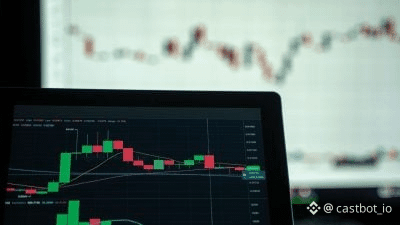
💡 If you’re bearish, the support zone is $82K–$83K. That suggests BTC may continue to trade sideways in the $80K–$85K range in the near term. If the Fed subsequently pivots toward rate cuts, this view is invalidated. In short: as long as the dollar doesn’t ease, crypto has a hard time moving independently.
This article has no project sponsorship, and the author does not hold the assets mentioned
$BTC $ETH #BTC #ETH
⚠️ Not investment advice; forecasts are for reference only
#USSeptemberPayrollsAdd29KUnemploymentRises4.2%
Iran’s central bank plans to crack down on rial accounts linked to crypto exchanges. This will seriously impact local exchange operations and the conversion between the rial and crypto, further intensifying economic isolation. It’s a bearish signal for the global crypto market, but the specific transmission path depends on how funds flow out.
Why is this news important?
This is a typical example of countries outside the world’s major economies tightening crypto regulation. Why does it matter? The root cause is that under U.S. dollar sanctions, Iran wants to use cryptocurrencies to bypass capital controls—but the central bank is pulling the rug out from under that plan. This suggests that the dream of “decentralization” in global crypto can’t stand up to real-world regulatory pressure. In recent other events, we’ve seen the U.S. file a lawsuit against Binance, Germany levy a crypto tax, and now a major Middle Eastern country is joining the crackdown. The industry is entering a full-scale period of regulatory pressure.
Market impact
In the short term, the direct impact on BTC and ETH is limited, but over the long term it is negative. A possible transmission path is: local Iranian funds hit conversion obstacles and flow toward global exchanges; however, the Middle East is one of the most active crypto trading regions globally, so when local capital withdraws, local selling pressure on BTC and ETH increases, putting strain on international markets. For reference, similar historical events: in 2021, when the U.S. prohibited banks from processing crypto transactions, ETH fell 10%. But this time there’s an unusual signal: although the Fed has paused rate hikes, CPI is still high, implying the strong-dollar cycle hasn’t ended—this could reinforce the bearish effect of this news.
Trading idea
💡 If you’re bearish, the support zone is $82K–$83K. That suggests BTC may continue to trade sideways in the $80K–$85K range in the near term. If the Fed subsequently pivots toward rate cuts, this view is invalidated. In short: as long as the dollar doesn’t ease, crypto has a hard time moving independently.
This article has no project sponsorship, and the author does not hold the assets mentioned
$BTC $ETH #BTC #ETH
⚠️ Not investment advice; forecasts are for reference only
#USSeptemberPayrollsAdd29KUnemploymentRises4.2%