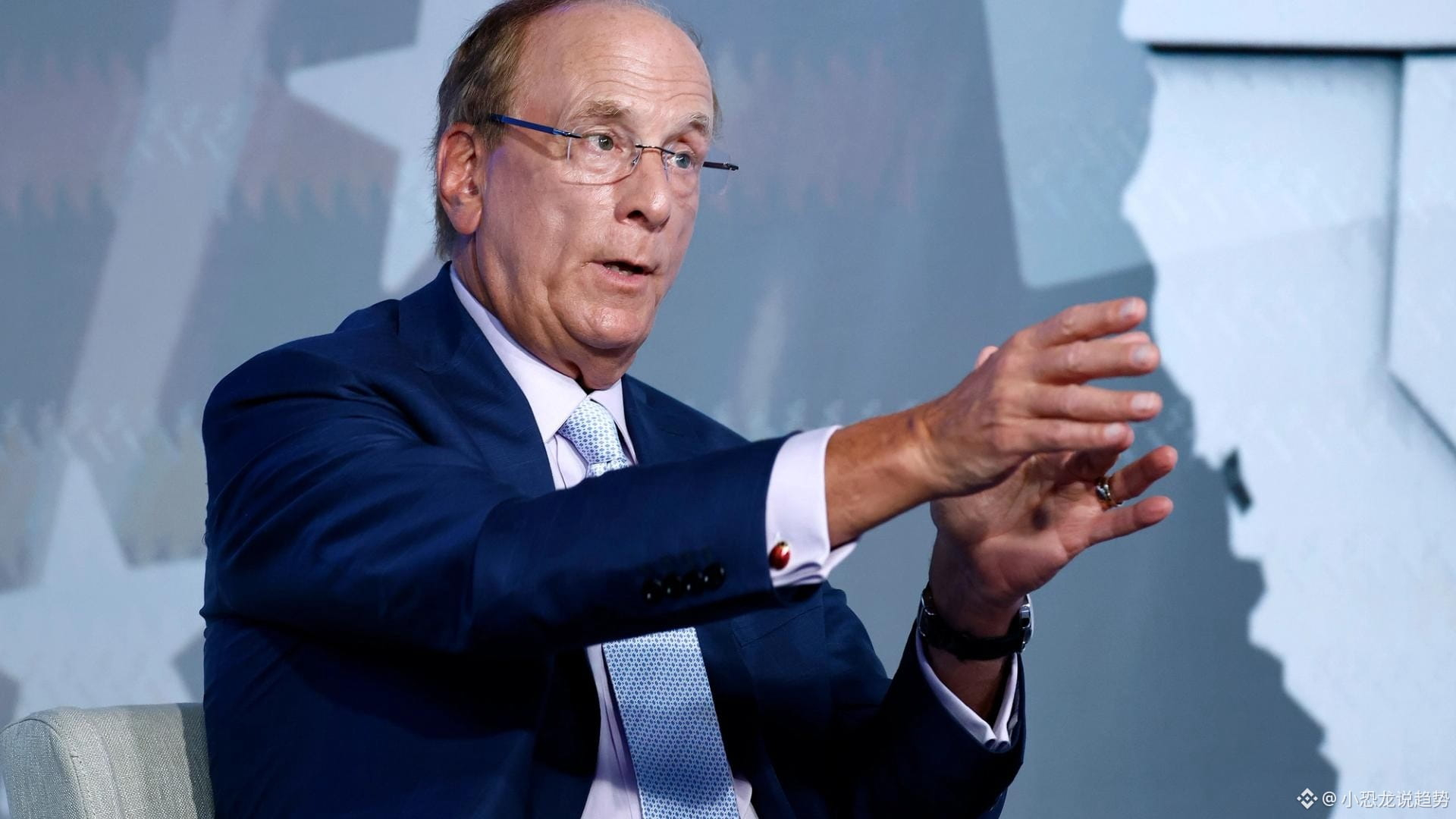
9.8 trillion dollars on the table—global asset management leader BlackRock goes first: putting an entire investment portfolio into a token 🦖
📈 进群一起分析行情
On October 3, BlackRock teamed up with tokenization platform Ondo Finance to launch three “smart investment portfolios”—high yield, diversified growth, and high growth. Each portfolio has been packaged into a token that can be traded on-chain. This is the first time that what’s been moved on-chain isn’t a single stock or fund, but the investment strategy itself as a whole.
Why is this worth stopping to look at? Because until now, the main battleground for tokenization has been “individual assets”: Treasury bond funds, private credit, stocks, and ETFs. This time, what’s been put on-chain is an entire basket of allocation solutions.
Numbers best explain the scale behind it. In wealth management, this kind of “pre-built portfolio” (model portfolios) already managed about $9.8 trillion as of June this year, according to Broadridge. In its latest report, Pantera summarized this shift in a single line: from “single securities” to “on-chain portfolios.”
Others have started down this road too. In August, Bitwise partnered with an exchange and Glider, backed by a16z, to launch automated tokenized portfolio management. The two approaches differ slightly: Ondo packages the entire portfolio exposure into a transferable token; Bitwise keeps the tokenized individual stocks in the user’s own wallet, with software handling automatic rebalancing.
Aside from the differences, the direction is the same: portfolio management itself is becoming a piece of software that can run directly on on-chain assets.
Translate the weight behind this. It’s not that “BlackRock has launched another product”—it’s that the next step in tokenization has been laid out on the table. Step one is moving assets on-chain; step two is recombining the tokenized assets, rebalancing in real time; and finally customizing it to each person’s goals and tax situation. ARK Invest’s CEO Tom Staudt put it plainly this time: it’s easy for AI to tell you what a perfect portfolio is—but if you can’t buy those assets, everything is essentially zero.
Of course, we’re still some distance from the endgame: the on-chain asset pool isn’t broad enough yet, and the infrastructure for prime brokers hasn’t been fully built out. Ondo’s own executives also admit this is a prerequisite 🔗
In the comments, let’s talk: if in the future your entire investment portfolio is a single token, would you dare to use it as collateral to borrow money? ⚖️
Click the avatar to watch the live stream
Every day, bring you updates on RWA tokenization hotspots—not just what’s happening in the news, but also the logic and opportunities behind it 👀🚀
📈 进群一起分析行情
On October 3, BlackRock teamed up with tokenization platform Ondo Finance to launch three “smart investment portfolios”—high yield, diversified growth, and high growth. Each portfolio has been packaged into a token that can be traded on-chain. This is the first time that what’s been moved on-chain isn’t a single stock or fund, but the investment strategy itself as a whole.
Why is this worth stopping to look at? Because until now, the main battleground for tokenization has been “individual assets”: Treasury bond funds, private credit, stocks, and ETFs. This time, what’s been put on-chain is an entire basket of allocation solutions.
Numbers best explain the scale behind it. In wealth management, this kind of “pre-built portfolio” (model portfolios) already managed about $9.8 trillion as of June this year, according to Broadridge. In its latest report, Pantera summarized this shift in a single line: from “single securities” to “on-chain portfolios.”
Others have started down this road too. In August, Bitwise partnered with an exchange and Glider, backed by a16z, to launch automated tokenized portfolio management. The two approaches differ slightly: Ondo packages the entire portfolio exposure into a transferable token; Bitwise keeps the tokenized individual stocks in the user’s own wallet, with software handling automatic rebalancing.
Aside from the differences, the direction is the same: portfolio management itself is becoming a piece of software that can run directly on on-chain assets.
Translate the weight behind this. It’s not that “BlackRock has launched another product”—it’s that the next step in tokenization has been laid out on the table. Step one is moving assets on-chain; step two is recombining the tokenized assets, rebalancing in real time; and finally customizing it to each person’s goals and tax situation. ARK Invest’s CEO Tom Staudt put it plainly this time: it’s easy for AI to tell you what a perfect portfolio is—but if you can’t buy those assets, everything is essentially zero.
Of course, we’re still some distance from the endgame: the on-chain asset pool isn’t broad enough yet, and the infrastructure for prime brokers hasn’t been fully built out. Ondo’s own executives also admit this is a prerequisite 🔗
In the comments, let’s talk: if in the future your entire investment portfolio is a single token, would you dare to use it as collateral to borrow money? ⚖️
Click the avatar to watch the live stream
Every day, bring you updates on RWA tokenization hotspots—not just what’s happening in the news, but also the logic and opportunities behind it 👀🚀