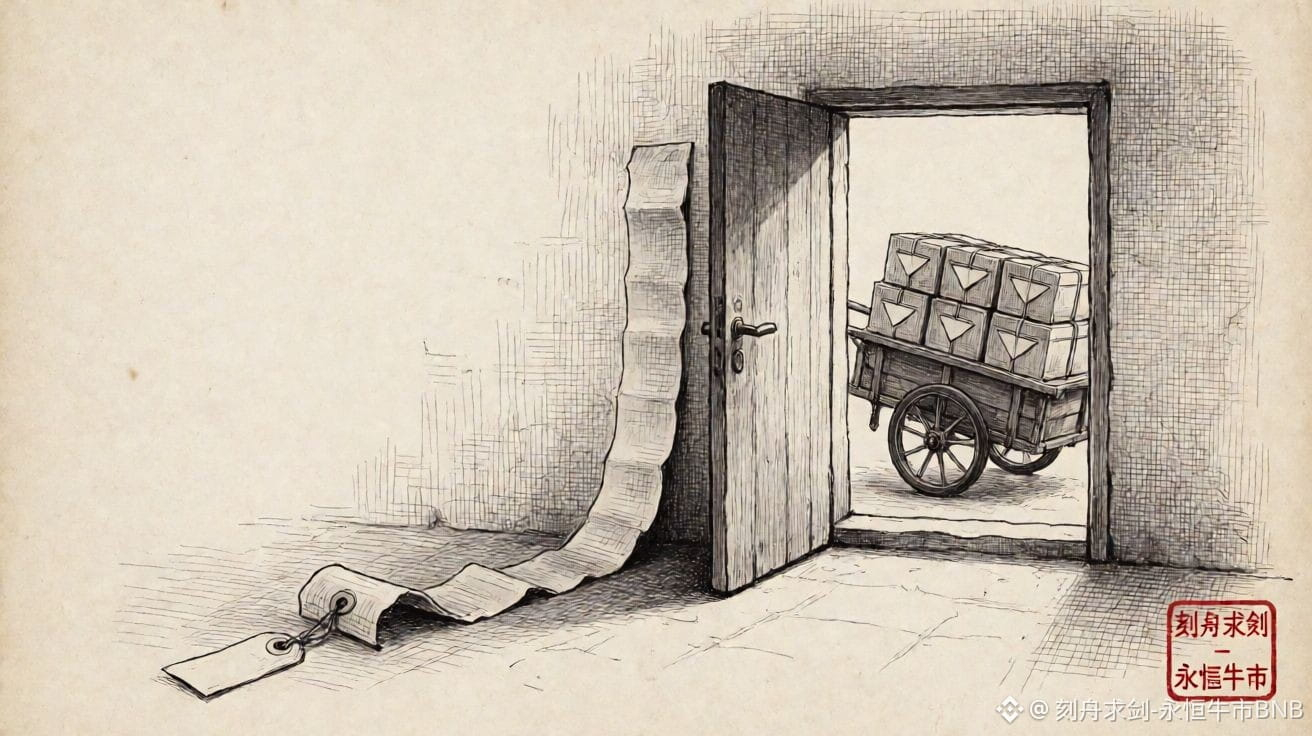
The scheme disclosed on October 1 states that after these chips are sold, they will be leased back in exactly the same form: about US$8 billion, thousands of units of the latest-generation chips, installed in more than a dozen data centers across five U.S. states. It is carried out through a newly set up special-purpose entity (carrier): it raises debt financing to external investors, with a maximum equity stake of 10%. The depreciation rules are written into the regulatory documents: each generation of semiconductor products is at least expected to be usable for five years, yet this generation is quickly displaced by the next one.
On Binance’s spot market, the three comparable computing power names show their readings side by side: io.net down about 5.5% over seven days, with a size of about US$60 million; the equipment remains in the hands of the provider. Internet Computer up about 2.7% over seven days, size about US$1.8 billion. Render up about 0.8% over seven days, size about US$990 million. The platform token BNB is almost unmoved in two places, with a market cap in the “hundreds of billions” range; what the rules specify are the transaction fees and quarterly burn. All three computing-power accounts ultimately end up off-chain: whoever holds the equipment also holds the residual value; the tokens only specify settlement and destruction. In this round, this deal is the only one where holding and guarantee are separated.
What is moved out is the holding; what is left behind is the guarantee. A common approach is for a company to commit to its lenders regarding the disposal value of chips or data centers. This time, the assets are transferred into the carrier and the debt is issued to investors, but the residual value line is still signed off by the original company entry by entry. The problem is that the five-year depreciation period coincides precisely with the incoming generation that is about to take over.
I looked at the guarantee line: US$800 million, thousands of units, even the lease-back use are written clearly; the middle section has no sign-off. This year, the capital expenditure is expected to be US$220 billion; the bond plan of about US$50 billion in March was increased from US$37 billion. When a US$25 billion long-tenor bond is issued in July, demand weakens.
What is moved away is the holding; what remains in place is the guarantee: depreciation is based on five years, and replacement units are already on the way. These two lines are pressed into the same table. In the first disclosure after the carrier is listed, if the residual value guarantee were changed to tiered settlement based on disposal price, and no longer signed off uniformly by the original company, it would indicate that the risk has truly been transferred—so this would need to be overturned. But the guarantee is still signed entry by entry under the original company’s name; it still stands. Which disclosure is the guarantee signed in? On Binance, can the buying/selling and depth for those three names be flipped at any time?
This article records an opinion and does not constitute investment advice.$GTC
$SAND
$MINA
#亚马逊拟售80亿美元英伟达芯片
On Binance’s spot market, the three comparable computing power names show their readings side by side: io.net down about 5.5% over seven days, with a size of about US$60 million; the equipment remains in the hands of the provider. Internet Computer up about 2.7% over seven days, size about US$1.8 billion. Render up about 0.8% over seven days, size about US$990 million. The platform token BNB is almost unmoved in two places, with a market cap in the “hundreds of billions” range; what the rules specify are the transaction fees and quarterly burn. All three computing-power accounts ultimately end up off-chain: whoever holds the equipment also holds the residual value; the tokens only specify settlement and destruction. In this round, this deal is the only one where holding and guarantee are separated.
What is moved out is the holding; what is left behind is the guarantee. A common approach is for a company to commit to its lenders regarding the disposal value of chips or data centers. This time, the assets are transferred into the carrier and the debt is issued to investors, but the residual value line is still signed off by the original company entry by entry. The problem is that the five-year depreciation period coincides precisely with the incoming generation that is about to take over.
I looked at the guarantee line: US$800 million, thousands of units, even the lease-back use are written clearly; the middle section has no sign-off. This year, the capital expenditure is expected to be US$220 billion; the bond plan of about US$50 billion in March was increased from US$37 billion. When a US$25 billion long-tenor bond is issued in July, demand weakens.
What is moved away is the holding; what remains in place is the guarantee: depreciation is based on five years, and replacement units are already on the way. These two lines are pressed into the same table. In the first disclosure after the carrier is listed, if the residual value guarantee were changed to tiered settlement based on disposal price, and no longer signed off uniformly by the original company, it would indicate that the risk has truly been transferred—so this would need to be overturned. But the guarantee is still signed entry by entry under the original company’s name; it still stands. Which disclosure is the guarantee signed in? On Binance, can the buying/selling and depth for those three names be flipped at any time?
This article records an opinion and does not constitute investment advice.$GTC
$SAND
$MINA
#亚马逊拟售80亿美元英伟达芯片