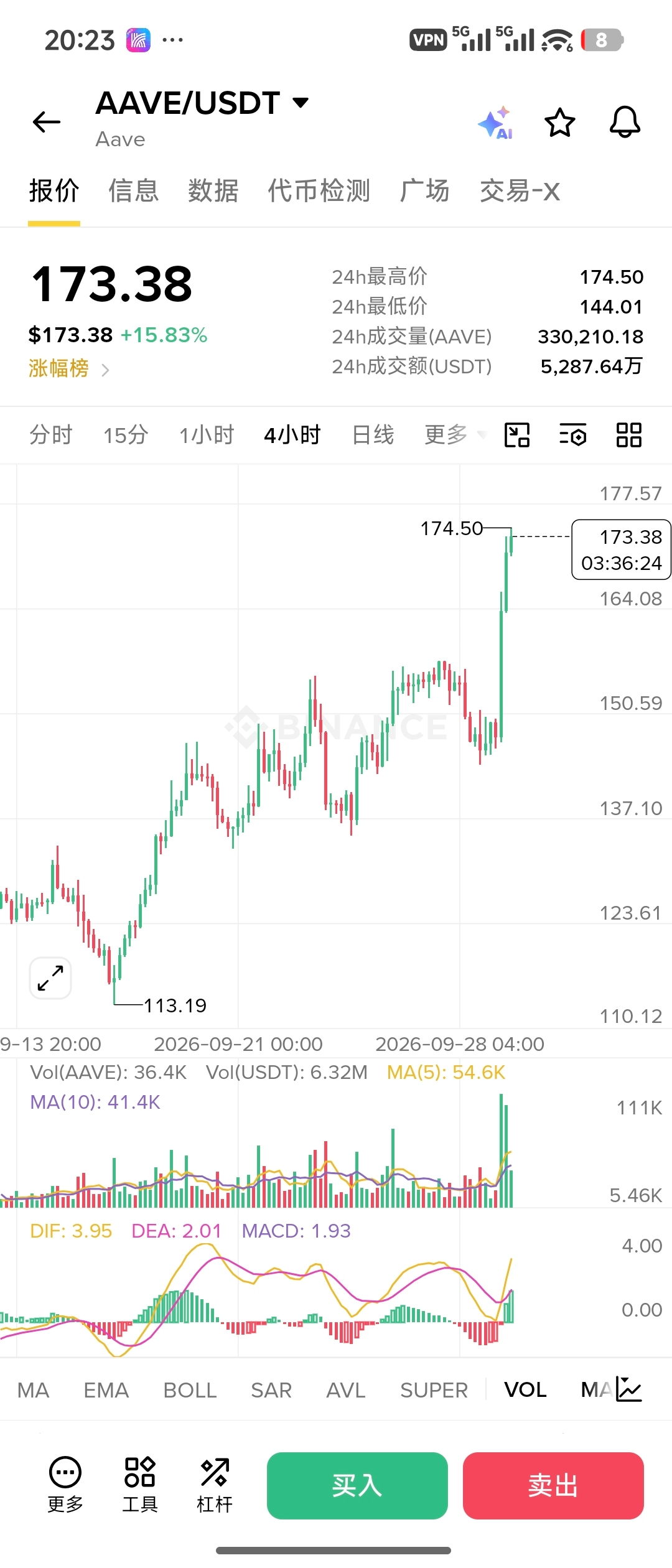
I think this round is basically a “buyback bull” cycle. Said more directly, it’s real-revenue agreements that programmatically route cash flows back to the token. As a result, buybacks become the easiest narrative to price in this cycle.
🧐 For example, a few of the stronger projects that have performed well this year:
UNI: Once protocol fees were opened up, external searchers have to take the fees and can only burn UNI.
AAVE: Revenue-driven buybacks, later upgraded to be more automated.
PUMP: About 50% of net income is used to buy in the open market and then burn. Cumulative amount has already exceeded $460M, roughly 17% of supply burned.
RAY: Since 2022, about 12% of trading fees have been automatically used to buy RAY and then burn it—one of the few that is genuinely net deflationary.
PONS: About 80% of the protocol’s take is used for TWAP buybacks and then burned. Roughly 29% of the supply has been burned.
……
So personally, I believe these buybacks will become the default capital return mechanism for this cycle. But the biggest risk is treating buybacks as a perpetual motion machine.
So for me, I’ll consider these three factors rather than just whether there’s a “buyback” label:
① Whether the buyback amount / circulating market cap is significant;
② Whether burning truly outweighs unlocks;
③ Whether the revenue source is repeatable and reusable—not just a one-off meme wave.
$AAVE
$UNI
$PONS
🧐 For example, a few of the stronger projects that have performed well this year:
UNI: Once protocol fees were opened up, external searchers have to take the fees and can only burn UNI.
AAVE: Revenue-driven buybacks, later upgraded to be more automated.
PUMP: About 50% of net income is used to buy in the open market and then burn. Cumulative amount has already exceeded $460M, roughly 17% of supply burned.
RAY: Since 2022, about 12% of trading fees have been automatically used to buy RAY and then burn it—one of the few that is genuinely net deflationary.
PONS: About 80% of the protocol’s take is used for TWAP buybacks and then burned. Roughly 29% of the supply has been burned.
……
So personally, I believe these buybacks will become the default capital return mechanism for this cycle. But the biggest risk is treating buybacks as a perpetual motion machine.
So for me, I’ll consider these three factors rather than just whether there’s a “buyback” label:
① Whether the buyback amount / circulating market cap is significant;
② Whether burning truly outweighs unlocks;
③ Whether the revenue source is repeatable and reusable—not just a one-off meme wave.
$AAVE
$UNI
$PONS