

只会呐喊的尖刀手
285 Posts

只会呐喊的尖刀手
Report
Block User
乘风破浪会有时 直挂云帆济沧海

BNB Holder
Frequent Trader
9 Years
447 Following
29.8K+ Followers
16.2K+ Liked
Posts
All
Quotes
Live
PINNED
·
--
The elevator is broken
Then take the stairs
The breeze on the thirteenth floor
Understands freedom
better than the lobby
The elevator is broken
Then take the stairs
The breeze on the thirteenth floor
Understands freedom
better than the lobby
Then take the stairs
The breeze on the thirteenth floor
Understands freedom
better than the lobby

1.8k
8
91
1.8k
PINNED
·
--
Verified
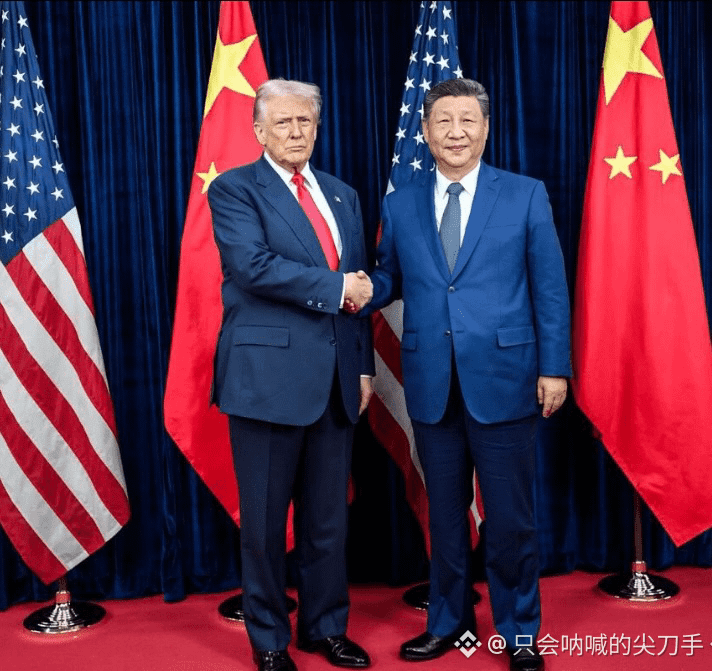
U.S.-China Tariffs Cut by About $30 Billion Each: Moving From “Statements” to “Implementation”
Substantive progress has been made in economic and trade talks between the U.S. and China. The two sides are no longer confined to a verbal consensus of “willingness to reduce tariffs.” They have reached agreement on reciprocal tariff-reduction lists for about $30 billion worth of each side’s imported goods: more than 90% of the relevant items’ tariffs will be rolled back to the MFN rate level. After their respective domestic legal procedures are completed, the reductions will be implemented simultaneously.
The “gold content” of the lists is high. On the U.S. side, the 77 items related to China’s exports include toys, household appliances, baby products, kitchen and bathroom appliances, and holiday gifts—mostly people-focused consumer categories frequently purchased by consumers in the U.S. mainland. On the China side, the 1,619 items related to imports from the U.S. include agricultural products, personal care items, medical devices, and coal, directly targeting real needs on the domestic consumption, healthcare, and industrial fronts. Neither side has filled the lists with obscure or peripheral items. This indicates that the concessions are targeted and come with “give-and-take.”
Its significance goes beyond sentiment. In the short term, the uncertainty surrounding trade frictions is narrowing. Global markets’ risk-avoidance expectations of “tariffs driving inflation and supply chains breaking again” may cool, and preferences for risk assets could recover. In the medium term, tariff reductions on consumer goods and intermediate inputs will directly ease U.S. household spending and reduce import costs for Chinese companies—both positive factors for inflation control on both sides and for stabilizing supply chains.
Of course, this is still “cooling off,” not “ceasefire.” Deeper issues such as remaining tariffs, non-tariff barriers, and industrial subsidies have not yet reached the bottom. But at the very least, both sides are willing to put real goods backed by real dollars on the table and pull tariff rates back. That in itself is a long-awaited rational signal in the narrative of a trade war—confrontation has a cost, and stepping back is more worthwhile than hardening one’s stance.
U.S.-China Tariffs Cut by About $30 Billion Each: Moving From “Statements” to “Implementation”
Substantive progress has been made in economic and trade talks between the U.S. and China. The two sides are no longer confined to a verbal consensus of “willingness to reduce tariffs.” They have reached agreement on reciprocal tariff-reduction lists for about $30 billion worth of each side’s imported goods: more than 90% of the relevant items’ tariffs will be rolled back to the MFN rate level. After their respective domestic legal procedures are completed, the reductions will be implemented simultaneously.
The “gold content” of the lists is high. On the U.S. side, the 77 items related to China’s exports include toys, household appliances, baby products, kitchen and bathroom appliances, and holiday gifts—mostly people-focused consumer categories frequently purchased by consumers in the U.S. mainland. On the China side, the 1,619 items related to imports from the U.S. include agricultural products, personal care items, medical devices, and coal, directly targeting real needs on the domestic consumption, healthcare, and industrial fronts. Neither side has filled the lists with obscure or peripheral items. This indicates that the concessions are targeted and come with “give-and-take.”
Its significance goes beyond sentiment. In the short term, the uncertainty surrounding trade frictions is narrowing. Global markets’ risk-avoidance expectations of “tariffs driving inflation and supply chains breaking again” may cool, and preferences for risk assets could recover. In the medium term, tariff reductions on consumer goods and intermediate inputs will directly ease U.S. household spending and reduce import costs for Chinese companies—both positive factors for inflation control on both sides and for stabilizing supply chains.
Of course, this is still “cooling off,” not “ceasefire.” Deeper issues such as remaining tariffs, non-tariff barriers, and industrial subsidies have not yet reached the bottom. But at the very least, both sides are willing to put real goods backed by real dollars on the table and pull tariff rates back. That in itself is a long-awaited rational signal in the narrative of a trade war—confrontation has a cost, and stepping back is more worthwhile than hardening one’s stance.
Substantive progress has been made in economic and trade talks between the U.S. and China. The two sides are no longer confined to a verbal consensus of “willingness to reduce tariffs.” They have reached agreement on reciprocal tariff-reduction lists for about $30 billion worth of each side’s imported goods: more than 90% of the relevant items’ tariffs will be rolled back to the MFN rate level. After their respective domestic legal procedures are completed, the reductions will be implemented simultaneously.
The “gold content” of the lists is high. On the U.S. side, the 77 items related to China’s exports include toys, household appliances, baby products, kitchen and bathroom appliances, and holiday gifts—mostly people-focused consumer categories frequently purchased by consumers in the U.S. mainland. On the China side, the 1,619 items related to imports from the U.S. include agricultural products, personal care items, medical devices, and coal, directly targeting real needs on the domestic consumption, healthcare, and industrial fronts. Neither side has filled the lists with obscure or peripheral items. This indicates that the concessions are targeted and come with “give-and-take.”
Its significance goes beyond sentiment. In the short term, the uncertainty surrounding trade frictions is narrowing. Global markets’ risk-avoidance expectations of “tariffs driving inflation and supply chains breaking again” may cool, and preferences for risk assets could recover. In the medium term, tariff reductions on consumer goods and intermediate inputs will directly ease U.S. household spending and reduce import costs for Chinese companies—both positive factors for inflation control on both sides and for stabilizing supply chains.
Of course, this is still “cooling off,” not “ceasefire.” Deeper issues such as remaining tariffs, non-tariff barriers, and industrial subsidies have not yet reached the bottom. But at the very least, both sides are willing to put real goods backed by real dollars on the table and pull tariff rates back. That in itself is a long-awaited rational signal in the narrative of a trade war—confrontation has a cost, and stepping back is more worthwhile than hardening one’s stance.
2.5k
14
114
2.5k
·
--


赛博新闻cyber news
·
--
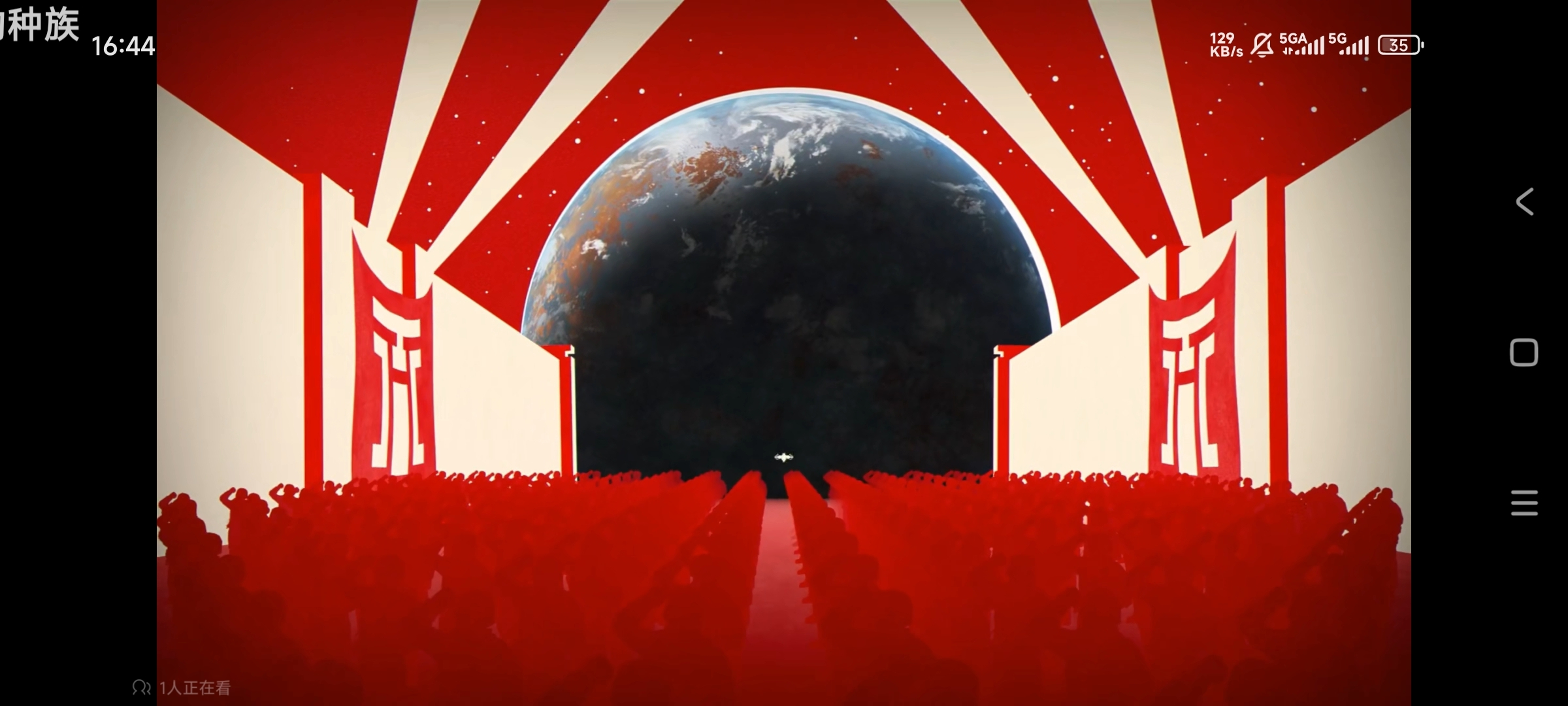
Bullishcrypto's spring is coming
The spring of virtual currencies is coming$ARB
Come claim the big gift bundle from this post#StrategyStriveAdd2305BitcoinThisWeek 🎁🎁🎁🎁🧧🧧🧧🧧🎁🎁🎁🎁🎁🎁🧧🧧🧧
The spring of virtual currencies is coming$ARB
Come claim the big gift bundle from this post#StrategyStriveAdd2305BitcoinThisWeek 🎁🎁🎁🎁🧧🧧🧧🧧🎁🎁🎁🎁🎁🎁🧧🧧🧧
341
·
--

慢就是快Mike8
·
--
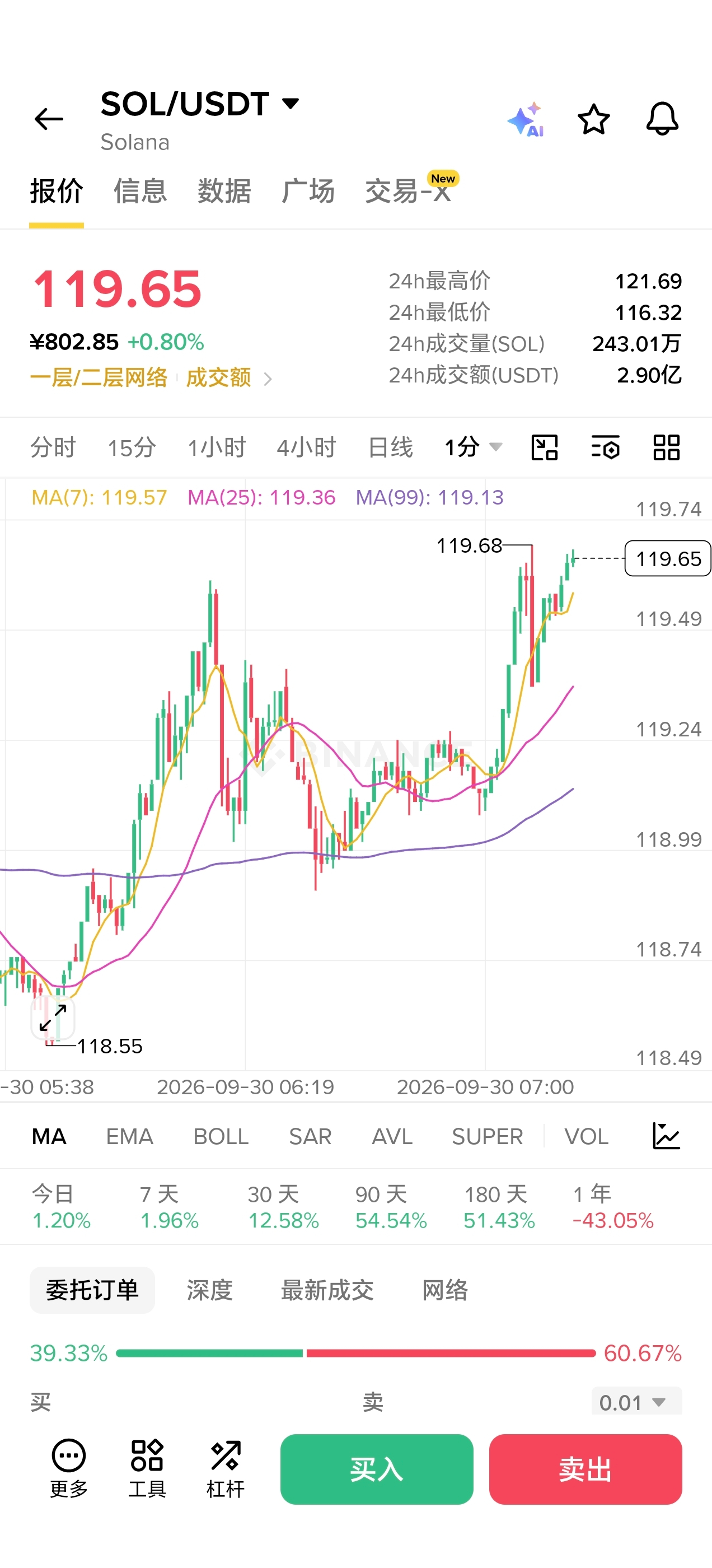
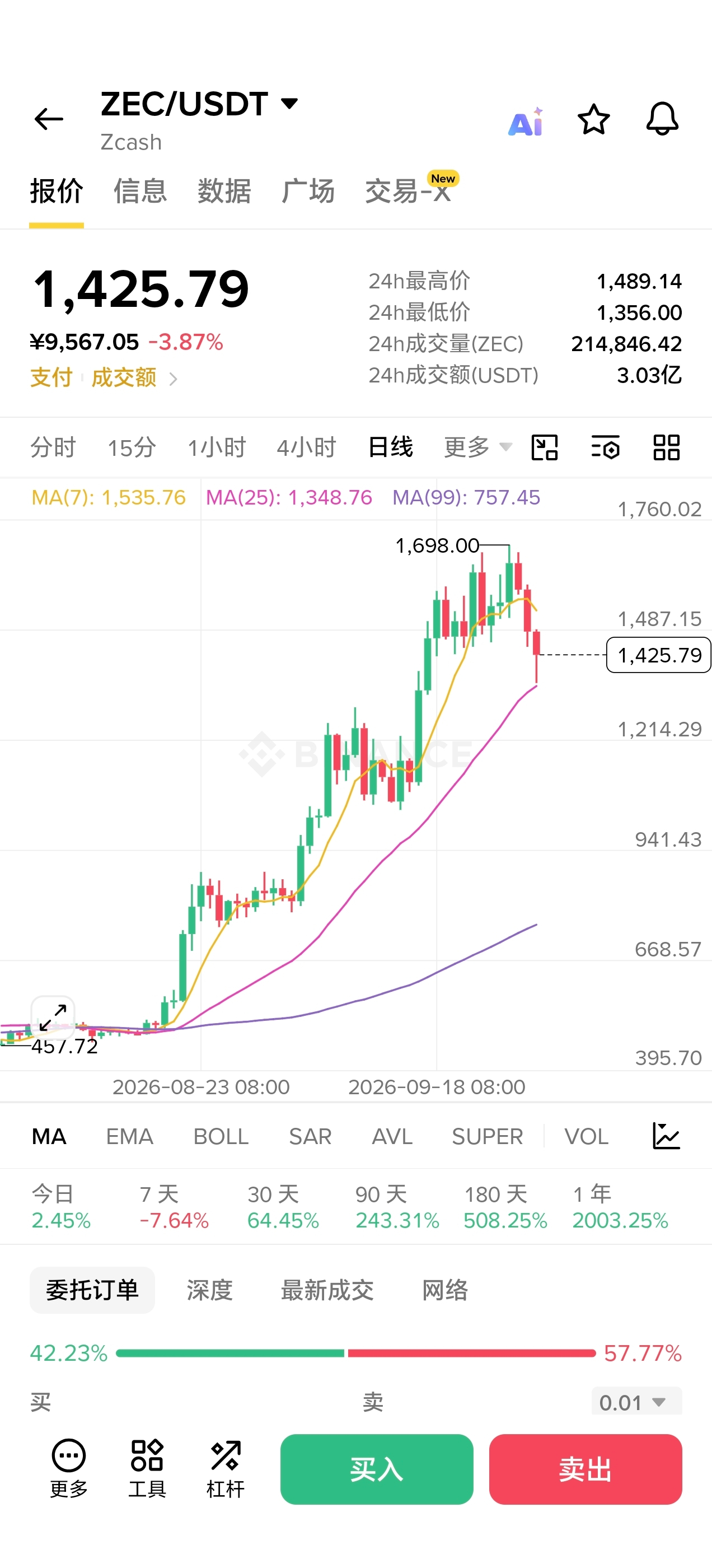
$ZEC callbacks have already ended, don’t be afraid—if you are afraid, you’ll lose. Spot trading can be boarded now—let’s go, brothers!
510


·
--
只会呐喊的尖刀手
·
--
The elevator is broken
Then take the stairs
The breeze on the thirteenth floor
Understands freedom
better than the lobby
Then take the stairs
The breeze on the thirteenth floor
Understands freedom
better than the lobby

3
501
·
--
So unbelievable... Did the giant whale awaken?
4,500 large pizzas, $380 million
And it all gets turned over like that?
This feels very ominous! $BTC
{future}(BTCUSDT)
So unbelievable... Did the giant whale awaken?
4,500 large pizzas, $380 million
And it all gets turned over like that?
This feels very ominous! $BTC
4,500 large pizzas, $380 million
And it all gets turned over like that?
This feels very ominous! $BTC

2.4k
17
136
2.4k
·
--
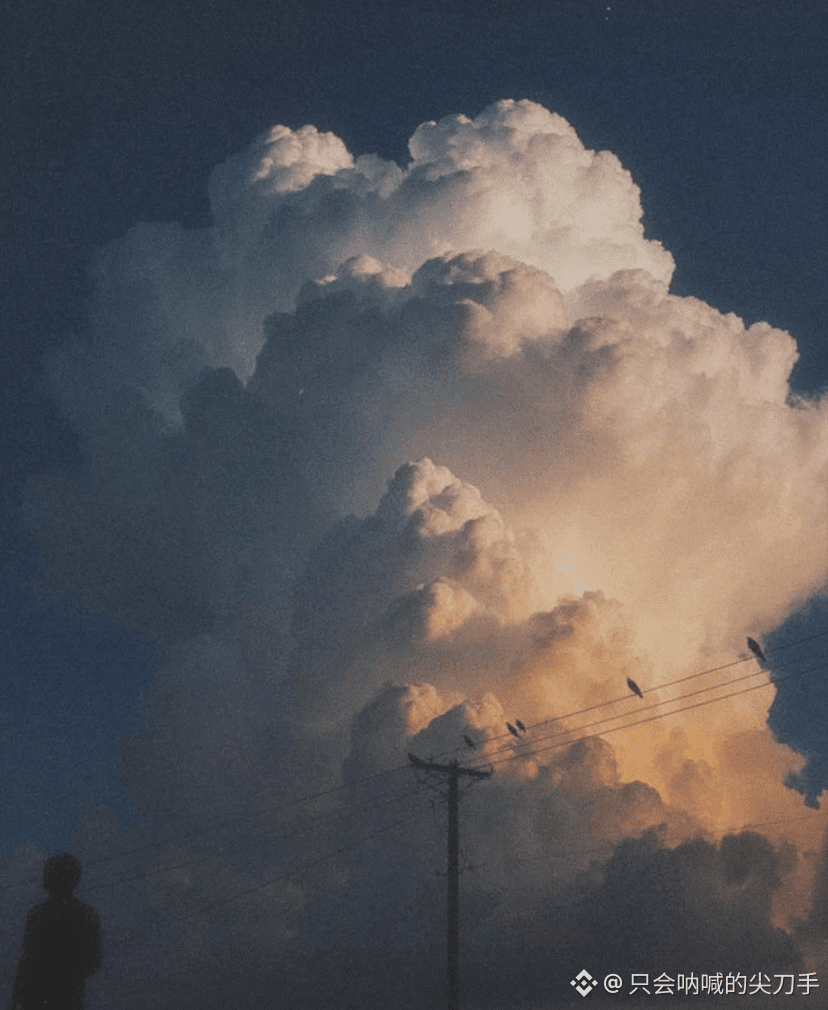
The wind blew the clouds apart.
The sky has a patch of blue—
just enough for me
to put on
an unbothered, carefree smile.
The wind blew the clouds apart.
The sky has a patch of blue—
just enough for me
to put on
an unbothered, carefree smile.
The sky has a patch of blue—
just enough for me
to put on
an unbothered, carefree smile.
2.7k
14
135
2.7k
·
--

Article
Don’t just watch Nvidia—AI’s “landlords” are quietly collecting rentEveryone’s watching the AI market, their eyes glued to Nvidia, Microsoft, and OpenAI: the moment Jensen Huang shows up in a leather jacket, the U.S. stocks act like they’ve been injected with adrenaline; when Sam Altman says, “Next year will be even more intense,” analysts change their earnings forecasts overnight.
But if you really think the future of AI is just “a few big players in California closing the door to make chips, training models, and conveniently ruling the world,” then it’s a bit like thinking you only need to buy a pot to open a hotpot restaurant—yes, the pot matters, but without electricity, without gas, without a shop, without drainage pipes, what you cook isn’t hotpot; it’s a fire-drill.
Don’t just watch Nvidia—AI’s “landlords” are quietly collecting rent
Everyone’s watching the AI market, their eyes glued to Nvidia, Microsoft, and OpenAI: the moment Jensen Huang shows up in a leather jacket, the U.S. stocks act like they’ve been injected with adrenaline; when Sam Altman says, “Next year will be even more intense,” analysts change their earnings forecasts overnight.
But if you really think the future of AI is just “a few big players in California closing the door to make chips, training models, and conveniently ruling the world,” then it’s a bit like thinking you only need to buy a pot to open a hotpot restaurant—yes, the pot matters, but without electricity, without gas, without a shop, without drainage pipes, what you cook isn’t hotpot; it’s a fire-drill.
But if you really think the future of AI is just “a few big players in California closing the door to make chips, training models, and conveniently ruling the world,” then it’s a bit like thinking you only need to buy a pot to open a hotpot restaurant—yes, the pot matters, but without electricity, without gas, without a shop, without drainage pipes, what you cook isn’t hotpot; it’s a fire-drill.
13
3
18
387
·
--
Fell down
Then, naturally, kissed the earth
And, as a bonus, picked up
That candy
that had just fallen
Fell down
Then, naturally, kissed the earth
And, as a bonus, picked up
That candy
that had just fallen
Then, naturally, kissed the earth
And, as a bonus, picked up
That candy
that had just fallen

612
7
52
612
·
--
The next major opportunity may initially seem unremarkable.
Until a small innovation changes the entire industry.
—CZ BNB
#比特币突破8.5万美元
The next major opportunity may initially seem unremarkable.
Until a small innovation changes the entire industry.
—CZ BNB
#比特币突破8.5万美元
Until a small innovation changes the entire industry.
—CZ BNB
#比特币突破8.5万美元

473
4
35
653
·
--
A painful truth:
Many people don’t have the patience to spend 3 years building their own career
but they do have the patience to work for someone else for 40 years
A painful truth:
Many people don’t have the patience to spend 3 years building their own career
but they do have the patience to work for someone else for 40 years
Many people don’t have the patience to spend 3 years building their own career
but they do have the patience to work for someone else for 40 years

2.7k
23
156
2.7k
·
--

Article
BTC Reclaims $80,000: Bad News Didn’t Hit, But I Don’t Recommend You Chase It NowThis week, the macro environment and regulation are actually not very friendly:
• The Federal Reserve hiked rates by 25bp, bringing interest rates to 3.75%–4.00%;
• In the U.S., the (CLARITY Act) advanced in the Senate but was blocked;
• In the first half of the week, BTC once dipped back toward around 77,000.
But on September 18, BTC not only reclaimed 80,000, it also briefly surged to between $81.2k and $81.4k. ETH rose in tandem by about 7%–8%, and SOL, XRP, and others also followed. At the same time, the US spot BTC ETF ended its streak of outflows and recorded roughly $160 million in net inflows.
My judgment is straightforward:
This isn’t a “full return of the bull market,” but a rebound driven by the combined effects of “bad news being digested + short-covering + ETF capital returning.”
BTC Reclaims $80,000: Bad News Didn’t Hit, But I Don’t Recommend You Chase It Now
This week, the macro environment and regulation are actually not very friendly:
• The Federal Reserve hiked rates by 25bp, bringing interest rates to 3.75%–4.00%;
• In the U.S., the (CLARITY Act) advanced in the Senate but was blocked;
• In the first half of the week, BTC once dipped back toward around 77,000.
But on September 18, BTC not only reclaimed 80,000, it also briefly surged to between $81.2k and $81.4k. ETH rose in tandem by about 7%–8%, and SOL, XRP, and others also followed. At the same time, the US spot BTC ETF ended its streak of outflows and recorded roughly $160 million in net inflows.
My judgment is straightforward:
This isn’t a “full return of the bull market,” but a rebound driven by the combined effects of “bad news being digested + short-covering + ETF capital returning.”
• The Federal Reserve hiked rates by 25bp, bringing interest rates to 3.75%–4.00%;
• In the U.S., the (CLARITY Act) advanced in the Senate but was blocked;
• In the first half of the week, BTC once dipped back toward around 77,000.
But on September 18, BTC not only reclaimed 80,000, it also briefly surged to between $81.2k and $81.4k. ETH rose in tandem by about 7%–8%, and SOL, XRP, and others also followed. At the same time, the US spot BTC ETF ended its streak of outflows and recorded roughly $160 million in net inflows.
My judgment is straightforward:
This isn’t a “full return of the bull market,” but a rebound driven by the combined effects of “bad news being digested + short-covering + ETF capital returning.”
1.9k
9
106
1.9k
·
--
Don’t be afraid to go slow
Even snails have a springtime
Carrying a heavy shell on their back
Step by step
Turning the road into poetry
Don’t be afraid to go slow
Even snails have a springtime
Carrying a heavy shell on their back
Step by step
Turning the road into poetry
Even snails have a springtime
Carrying a heavy shell on their back
Step by step
Turning the road into poetry

1.8k
4
81
1.8k
·
--
The rain stopped.
The sky forgot to turn off the faucet.
It’s okay.
A rainbow is its apology.
The best apology
The rain stopped.
The sky forgot to turn off the faucet.
It’s okay.
A rainbow is its apology.
The best apology
The sky forgot to turn off the faucet.
It’s okay.
A rainbow is its apology.
The best apology

2k
5
114
2k
·
--
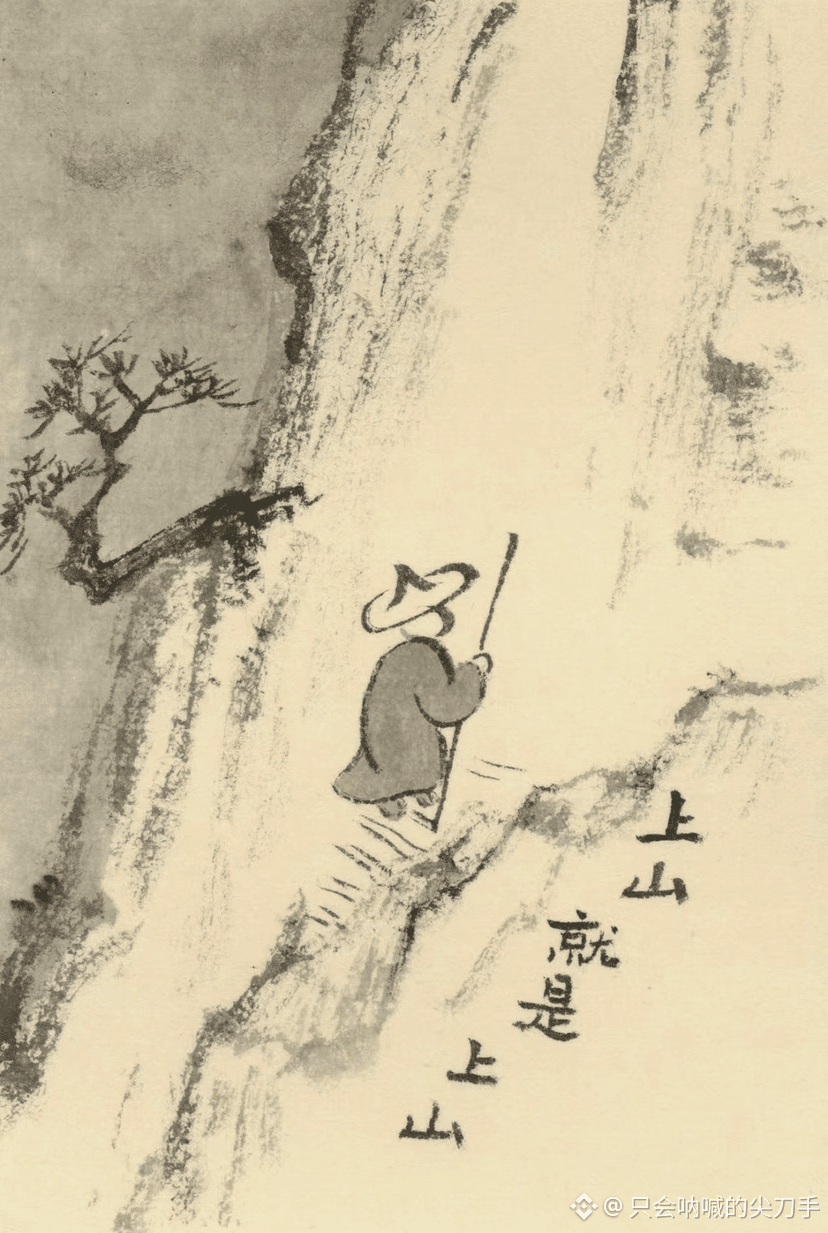
Fell over
So naturally I kissed the earth
And, while I was at it, picked up
That candy that had just dropped
A moment ago
Fell over
So naturally I kissed the earth
And, while I was at it, picked up
That candy that had just dropped
A moment ago
So naturally I kissed the earth
And, while I was at it, picked up
That candy that had just dropped
A moment ago
2.6k
10
143
2.6k
·
--
【Product Name】Today’s Limited Edition·You
【Production Date】The moment you wake up this morning
【Ingredients】Sunlight, a gentle breeze, and a little stubbornness
【Indications】Specifically treats being unhappy, having no spirit, and wanting to just lie down and do nothing
【Directions】Use anytime, all day long—refill your “good mood” whenever you need it
【Precautions】Avoid using it together with “negative energy.” Do not suppress your frustrations on an empty stomach
【Shelf Life】Only valid for today. Please switch to the new version tomorrow
—Please store it properly; you are the limited edition.🏷️💖
【Product Name】Today’s Limited Edition·You
【Production Date】The moment you wake up this morning
【Ingredients】Sunlight, a gentle breeze, and a little stubbornness
【Indications】Specifically treats being unhappy, having no spirit, and wanting to just lie down and do nothing
【Directions】Use anytime, all day long—refill your “good mood” whenever you need it
【Precautions】Avoid using it together with “negative energy.” Do not suppress your frustrations on an empty stomach
【Shelf Life】Only valid for today. Please switch to the new version tomorrow
—Please store it properly; you are the limited edition.🏷️💖
【Production Date】The moment you wake up this morning
【Ingredients】Sunlight, a gentle breeze, and a little stubbornness
【Indications】Specifically treats being unhappy, having no spirit, and wanting to just lie down and do nothing
【Directions】Use anytime, all day long—refill your “good mood” whenever you need it
【Precautions】Avoid using it together with “negative energy.” Do not suppress your frustrations on an empty stomach
【Shelf Life】Only valid for today. Please switch to the new version tomorrow
—Please store it properly; you are the limited edition.🏷️💖

3.1k
25
206
3.1k
·
--
👀 Wherever your eyes reach, there is scenery.
👂 Whatever your ears hear, there is lovely music.
👐 Whatever your hands touch, there is warmth.
💖 Whatever your heart yearns for, there is an open road.
👀 Wherever your eyes reach, there is scenery.
👂 Whatever your ears hear, there is lovely music.
👐 Whatever your hands touch, there is warmth.
💖 Whatever your heart yearns for, there is an open road.
👂 Whatever your ears hear, there is lovely music.
👐 Whatever your hands touch, there is warmth.
💖 Whatever your heart yearns for, there is an open road.

2.8k
10
164
2.8k
·
--
Allow anything to happen.
Allow plans to be thrown off.
Allow yourself to be imperfect.
Allow today to be just an “ordinary day.”
You don’t have to shine all the time.
You can also be a quiet shadow.
That, too, is proof that you exist.
Allow anything to happen.
Allow plans to be thrown off.
Allow yourself to be imperfect.
Allow today to be just an “ordinary day.”
You don’t have to shine all the time.
You can also be a quiet shadow.
That, too, is proof that you exist.
Allow plans to be thrown off.
Allow yourself to be imperfect.
Allow today to be just an “ordinary day.”
You don’t have to shine all the time.
You can also be a quiet shadow.
That, too, is proof that you exist.

3.6k
8
208
3.6k
Log in to explore more content
Join global crypto users on Binance Square
⚡️ Get latest and useful information about crypto.
💬 Trusted by the world’s largest crypto exchange.
👍 Discover real insights from verified creators.
Email / Phone number