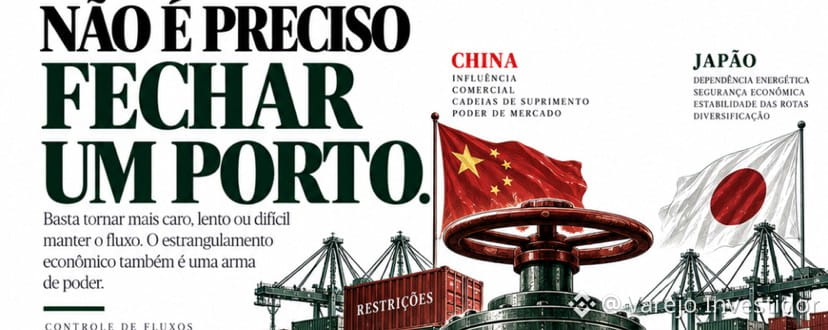

It’s enough to make the flow more expensive, slower, or harder. In an economy based on global supply chains, small pressure points can produce much larger effects along the chain.
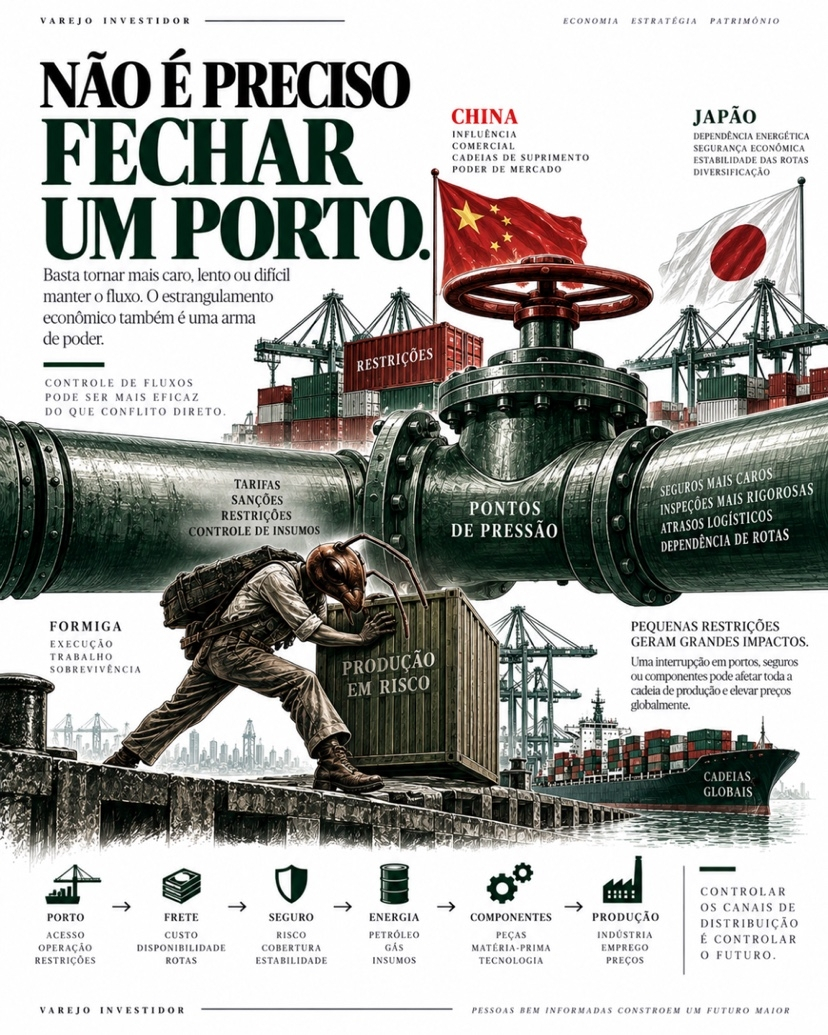
Ports, freight, insurance, energy, components and raw materials are connected. When one of these stages faces a restriction, companies may need to find new suppliers, change routes, or absorb additional costs.
The OECD notes that about 60% of global trade involves intermediate goods and that the concentration of imports has increased. According to the organization, physical bottlenecks, trade restrictions, and concentrated dependencies can increase the vulnerability of supply chains.
Raw materials also come into this equation. The OECD recorded a sharp increase in restrictions on the export of industrial raw materials since 2009, expanding the risks for supply chains that depend on specific suppliers.
That is why an interruption does not have to mean a complete shutdown.
A tariff can change the cost.
An inspection can extend the timeline.
A restriction can limit components.
A more expensive insurance policy can change the route.
A port bottleneck can delay an entire supply chain.
The key is to understand choke points, the bottleneck points where high dependence meets few alternatives. The IMF highlights exactly these points as important elements for understanding the vulnerability of global supply chains.
In modern commerce, controlling the flow can be just as relevant as controlling the product.