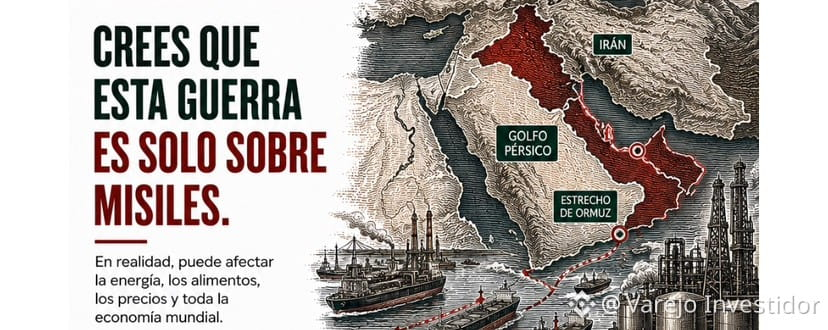

When a conflict reaches a strategic region, its effects can far exceed the military battlefield.
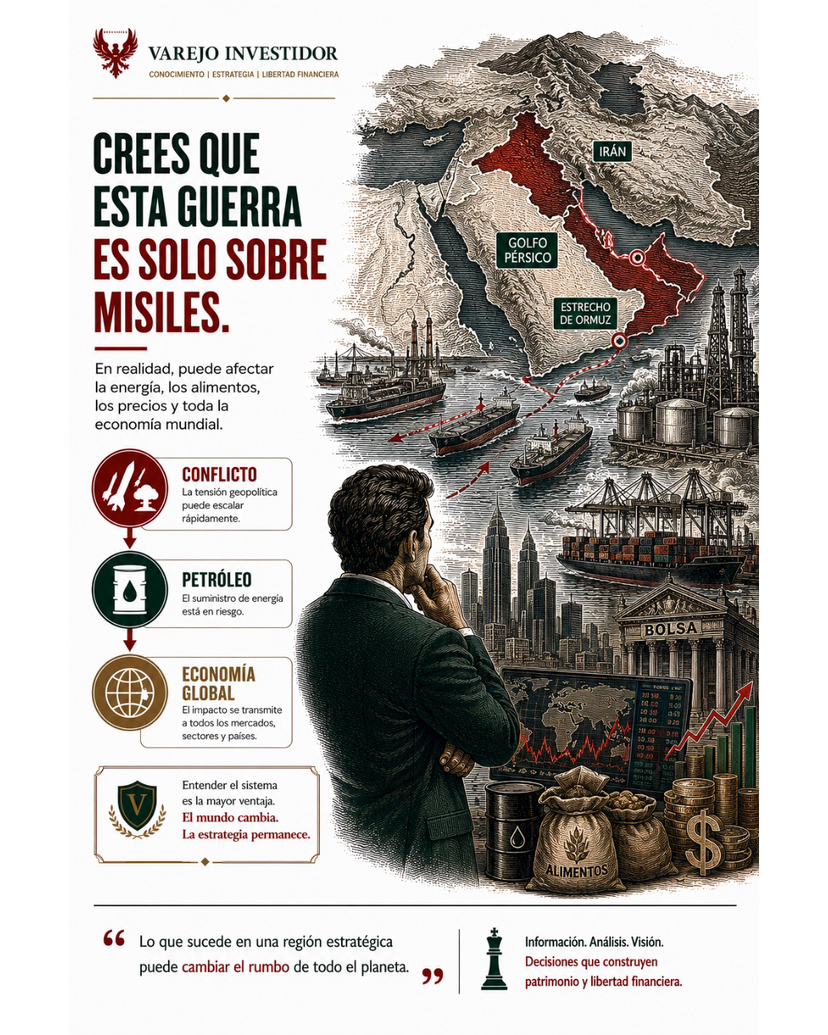
The Strait of Hormuz is a key point for international energy transportation. Disruptions along this route have significantly reduced maritime traffic and affected oil flows and other energy products.
The economic chain can be direct:
Conflict → transportation → energy → prices → inflation → markets.
When a strategic route becomes harder to use, logistics costs rise and supply restrictions may emerge. The EIA notes that disruptions to oil flows through the strait were associated with greater volatility and higher crude prices during 2026.
The impact doesn’t end with oil either. Energy is an input for transportation, industry, food production, and many services. That’s why an energy shock can spread across different sectors of the economy.
For markets, this means that a geopolitical development can quickly turn into a question of costs, inflation, corporate margins, international trade, and capital flows.
The situation also highlights the importance of alternative routes. Producing countries and companies are looking for infrastructure and mechanisms to reduce their dependence on the main maritime chokepoints.
The key point for investors is not to try to predict every military move.
Understanding how a geopolitical disruption turns into an economic shock—and how that shock can cut across different markets.
#mexico #dinero #money #trading