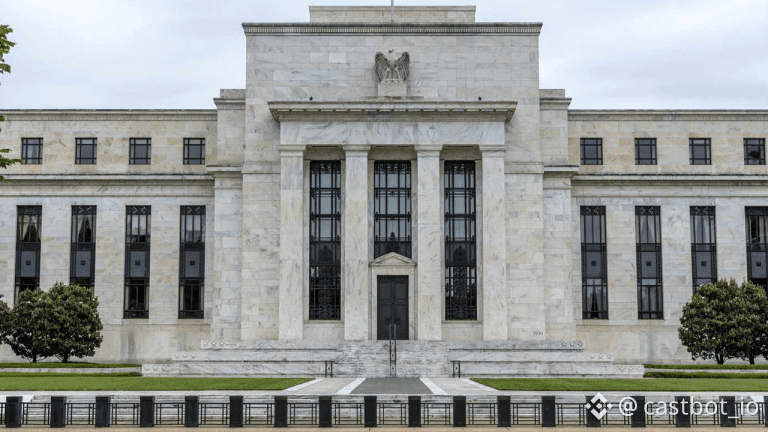
📰 The Fed just said it wants to make stablecoin rules so complicated—so what is the real intention behind the GENIUS Act?
The Fed has just proposed new regulations for banks issuing stablecoins, requiring that each $1 token must be backed by $1 in reserves, with redemption time limits of no more than two business days. Issuers that fall short on capital may be forced to liquidate. This new rule directly builds on the U.S. law, the GENIUS Act, which was just passed this summer.
South Korea is one of the most active cryptocurrency trading markets globally. When domestic capital exits → sell pressure on BTC.
Why is this news important?
The Fed’s move this time is not typical—it concretely operationalizes stablecoin oversight for banks, not just at the principle level. Over the past few years, the stablecoin market has grown wildly, with “money-like” stablecoins such as USDC being pegged to the dollar—yet no one has truly regulated whether there is actual gold-and-cash backing. The Fed’s new rules require that reserve assets must be cash, U.S. Treasuries, or other highly liquid assets, and prohibit using cryptocurrencies as collateral. This means that going forward, for banks to issue dollar stablecoins like USDC, they must truly have $1 in cash reserves for every $1.
The root cause is that when crypto surged in 2020, stablecoin supply also skyrocketed, which raised concerns among regulators. Now, with the U.S. passing the GENIUS Act specifically to govern digital currencies, the Fed’s new rule is essentially the concrete implementation of the Act—embedding stablecoin regulation into the existing bank regulatory framework. It fits within the broader trend of tighter regulation and is more systematic than the earlier fragmented pilot approaches taken by different countries.
Market impact
In the short term, the new rules may dampen speculative sentiment in the stablecoin market. Companies like Circle, which rely entirely on crypto-collateralized stablecoins, have already seen their stock prices react ahead of time. But the direct impact on BTC and ETH may be limited. On one hand, stablecoins are an important component of liquidity in crypto markets—if overly strict regulation causes stablecoin issuance to shrink, it could reduce trading depth across the market. On the other hand, stablecoins like Tether, which are suspected of having insufficient reserves, may be pushed out by stricter oversight—ironically making cryptocurrencies more of a trusted store-of-value option. A similar historical reference is the U.S. crackdown on crypto-trading platforms by banks in 2014; while it triggered panic then, in the long run it promoted compliant development.
Trading/strategy thoughts
💡 In the short term, the new stablecoin rules mean higher compliance pressure, which may accelerate some capital shifting from higher-risk crypto assets toward more reliable stablecoins—but this shift won’t happen overnight. If, in the next two weeks, BTC falls below the key support level of $82K, that would indicate the market is more sensitive to stablecoin market turmoil than expected, and this judgment would be invalid. This article has no project sponsorship. The author does not hold any of the assets mentioned.
⚠️ Not investment advice; predictions are for reference only
#Fed’sProposedStablecoinRulesPutGENIUSAct’sDollarTesttoWork
#BTC #ETH
The Fed has just proposed new regulations for banks issuing stablecoins, requiring that each $1 token must be backed by $1 in reserves, with redemption time limits of no more than two business days. Issuers that fall short on capital may be forced to liquidate. This new rule directly builds on the U.S. law, the GENIUS Act, which was just passed this summer.
South Korea is one of the most active cryptocurrency trading markets globally. When domestic capital exits → sell pressure on BTC.
Why is this news important?
The Fed’s move this time is not typical—it concretely operationalizes stablecoin oversight for banks, not just at the principle level. Over the past few years, the stablecoin market has grown wildly, with “money-like” stablecoins such as USDC being pegged to the dollar—yet no one has truly regulated whether there is actual gold-and-cash backing. The Fed’s new rules require that reserve assets must be cash, U.S. Treasuries, or other highly liquid assets, and prohibit using cryptocurrencies as collateral. This means that going forward, for banks to issue dollar stablecoins like USDC, they must truly have $1 in cash reserves for every $1.
The root cause is that when crypto surged in 2020, stablecoin supply also skyrocketed, which raised concerns among regulators. Now, with the U.S. passing the GENIUS Act specifically to govern digital currencies, the Fed’s new rule is essentially the concrete implementation of the Act—embedding stablecoin regulation into the existing bank regulatory framework. It fits within the broader trend of tighter regulation and is more systematic than the earlier fragmented pilot approaches taken by different countries.
Market impact
In the short term, the new rules may dampen speculative sentiment in the stablecoin market. Companies like Circle, which rely entirely on crypto-collateralized stablecoins, have already seen their stock prices react ahead of time. But the direct impact on BTC and ETH may be limited. On one hand, stablecoins are an important component of liquidity in crypto markets—if overly strict regulation causes stablecoin issuance to shrink, it could reduce trading depth across the market. On the other hand, stablecoins like Tether, which are suspected of having insufficient reserves, may be pushed out by stricter oversight—ironically making cryptocurrencies more of a trusted store-of-value option. A similar historical reference is the U.S. crackdown on crypto-trading platforms by banks in 2014; while it triggered panic then, in the long run it promoted compliant development.
Trading/strategy thoughts
💡 In the short term, the new stablecoin rules mean higher compliance pressure, which may accelerate some capital shifting from higher-risk crypto assets toward more reliable stablecoins—but this shift won’t happen overnight. If, in the next two weeks, BTC falls below the key support level of $82K, that would indicate the market is more sensitive to stablecoin market turmoil than expected, and this judgment would be invalid. This article has no project sponsorship. The author does not hold any of the assets mentioned.
⚠️ Not investment advice; predictions are for reference only
#Fed’sProposedStablecoinRulesPutGENIUSAct’sDollarTesttoWork
#BTC #ETH