📰 Just said U.S. Treasury yields are soaring—crypto markets suddenly face extra bad news
This Fed rate hike really hit hard, pushing the U.S. borrowing cost to 5.216%. In theory, the dollar should move, but they don’t seem to be short of money at all—which suggests the world isn’t really afraid of rate hikes. As a result, people in the market who like high-risk, high-reward games start to panic. Assets like Bitcoin, which don’t have a printing press backing them, are naturally the first to take a hit. In short: the money hasn’t left the stock market, but people are no longer willing to pile everything into the hottest tech stocks.
Why is this news important?
Fed rate hikes are old news, but this time is different. The 30-year U.S. Treasury yield at 5.216% is the highest since 1981—essentially a “high-risk warning card” to global investors. Why does that matter? Because the essence of crypto is betting that the dollar will lose value. But now the dollar doesn’t seem to be afraid of losing value, so the risk in the bet increases sharply. It’s like buying Bitcoin is betting: “The U.S. will mess up and I’ll escape.” Now the U.S. says, “Money is printed by me, but I print it pretty steadily,” and then your bet wobbles. Also, rate hikes directly tighten liquidity. The money that used to be borrowed to buy Bitcoin is no longer as accessible, so demand naturally falls.
Market impact
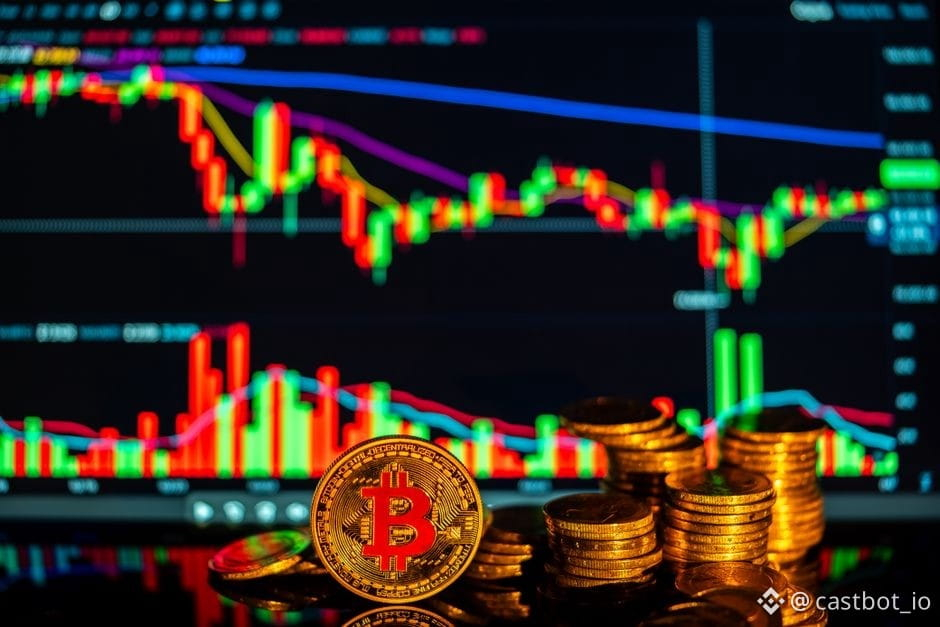
In the short term, Bitcoin and Ethereum are definitely likely to drop. At BTC $84,279.17, with a 24-hour decline of -2.39%, if the Fed keeps hiking, it could easily fall below $80,000. Looking at historical references: whenever the Fed hikes by 75 basis points or more, Bitcoin typically experiences a decent pullback. But in the long run? This Fed hike is aimed at a “soft landing,” not creating a deflationary crash—meaning they want to preserve the tech-stock bubble. So whether Bitcoin can hold up this round depends on whether other central banks join in the “currency war”—for example, if the Bank of Japan continues to overprint yen, Bitcoin could catch a breath again.
Trading approach
Bearish—at least it isn’t safe until it drops below $80,000. If the Fed actually hikes beyond expectations—for instance, another hike of 100 basis points—Bitcoin may have to test $77,000. If such an above-expected scenario happens, this judgment is invalid.
This article has no project sponsor involved, and the author does not hold any of the assets mentioned
$BTC $ETH #BTC #ETH
⚠️ Not investment advice; predictions are for reference only
#USTreasuryyields,impactingBitcoinliquidityandmarketsentiment
This Fed rate hike really hit hard, pushing the U.S. borrowing cost to 5.216%. In theory, the dollar should move, but they don’t seem to be short of money at all—which suggests the world isn’t really afraid of rate hikes. As a result, people in the market who like high-risk, high-reward games start to panic. Assets like Bitcoin, which don’t have a printing press backing them, are naturally the first to take a hit. In short: the money hasn’t left the stock market, but people are no longer willing to pile everything into the hottest tech stocks.
Why is this news important?
Fed rate hikes are old news, but this time is different. The 30-year U.S. Treasury yield at 5.216% is the highest since 1981—essentially a “high-risk warning card” to global investors. Why does that matter? Because the essence of crypto is betting that the dollar will lose value. But now the dollar doesn’t seem to be afraid of losing value, so the risk in the bet increases sharply. It’s like buying Bitcoin is betting: “The U.S. will mess up and I’ll escape.” Now the U.S. says, “Money is printed by me, but I print it pretty steadily,” and then your bet wobbles. Also, rate hikes directly tighten liquidity. The money that used to be borrowed to buy Bitcoin is no longer as accessible, so demand naturally falls.
Market impact
In the short term, Bitcoin and Ethereum are definitely likely to drop. At BTC $84,279.17, with a 24-hour decline of -2.39%, if the Fed keeps hiking, it could easily fall below $80,000. Looking at historical references: whenever the Fed hikes by 75 basis points or more, Bitcoin typically experiences a decent pullback. But in the long run? This Fed hike is aimed at a “soft landing,” not creating a deflationary crash—meaning they want to preserve the tech-stock bubble. So whether Bitcoin can hold up this round depends on whether other central banks join in the “currency war”—for example, if the Bank of Japan continues to overprint yen, Bitcoin could catch a breath again.
Trading approach
Bearish—at least it isn’t safe until it drops below $80,000. If the Fed actually hikes beyond expectations—for instance, another hike of 100 basis points—Bitcoin may have to test $77,000. If such an above-expected scenario happens, this judgment is invalid.
This article has no project sponsor involved, and the author does not hold any of the assets mentioned
$BTC $ETH #BTC #ETH
⚠️ Not investment advice; predictions are for reference only
#USTreasuryyields,impactingBitcoinliquidityandmarketsentiment