Can a blind retina still respond to light?
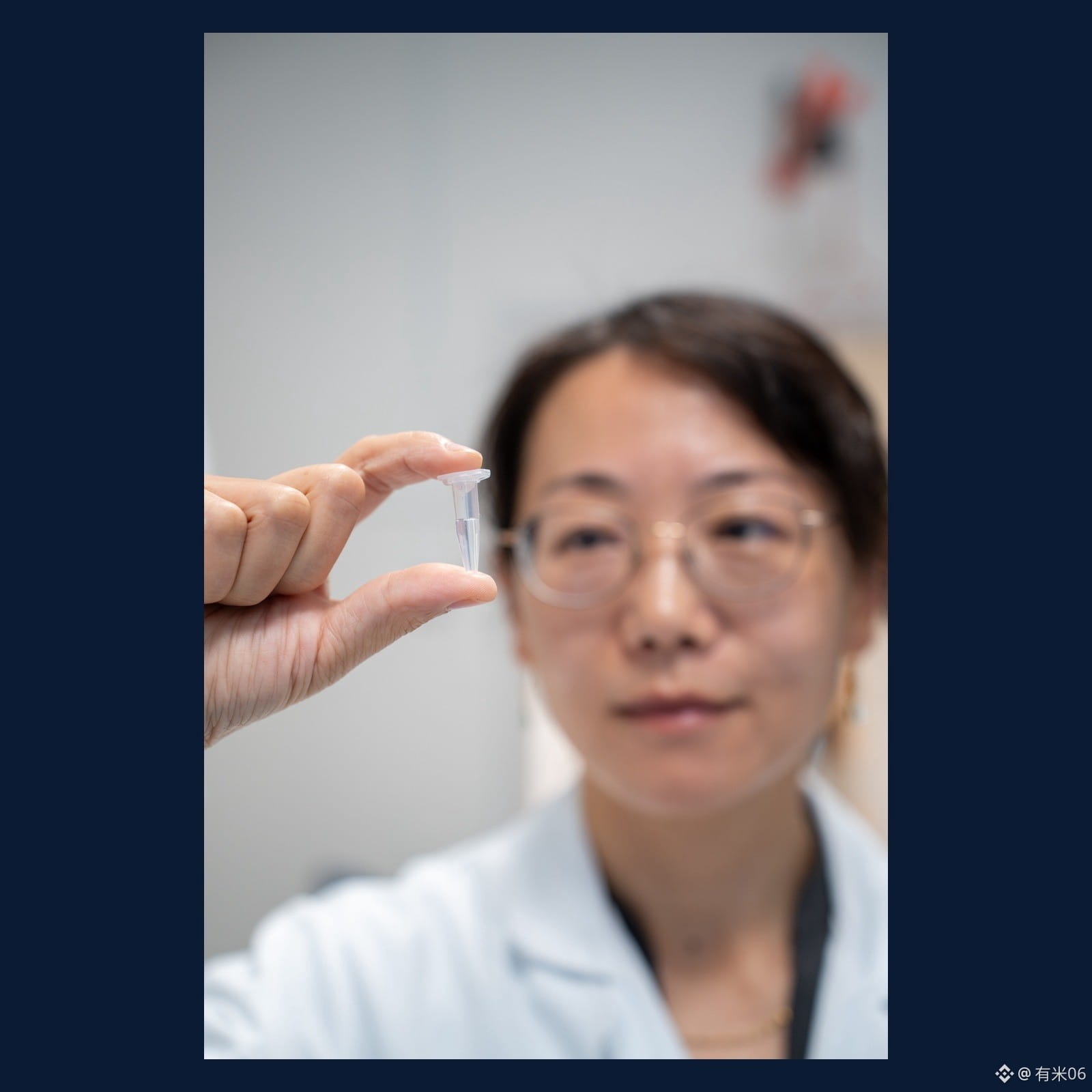
A team at the University of Aarhus developed hollow spherical carbon nitride (hg-C3N4) nanoparticles—about 300 nanometers—somewhat like tiny “light sensors.” After injecting them into the eyes of late-stage retinitis pigmentosa mice, the particles settle on the surface of the retina, close to the ganglion cells. When illuminated, the visual cortex shows a response, and behaviorally the animals can also respond to light. In ex vivo experiments using pig retinas, LED light can also “turn on” the ganglion cells.
This is still preclinical work, though—it doesn’t mean normal vision can be restored, and it’s too early for use in humans. The paper was published in Nature Biomedical Engineering.
#生物科技 #medicine
A team at the University of Aarhus developed hollow spherical carbon nitride (hg-C3N4) nanoparticles—about 300 nanometers—somewhat like tiny “light sensors.” After injecting them into the eyes of late-stage retinitis pigmentosa mice, the particles settle on the surface of the retina, close to the ganglion cells. When illuminated, the visual cortex shows a response, and behaviorally the animals can also respond to light. In ex vivo experiments using pig retinas, LED light can also “turn on” the ganglion cells.
This is still preclinical work, though—it doesn’t mean normal vision can be restored, and it’s too early for use in humans. The paper was published in Nature Biomedical Engineering.
#生物科技 #medicine