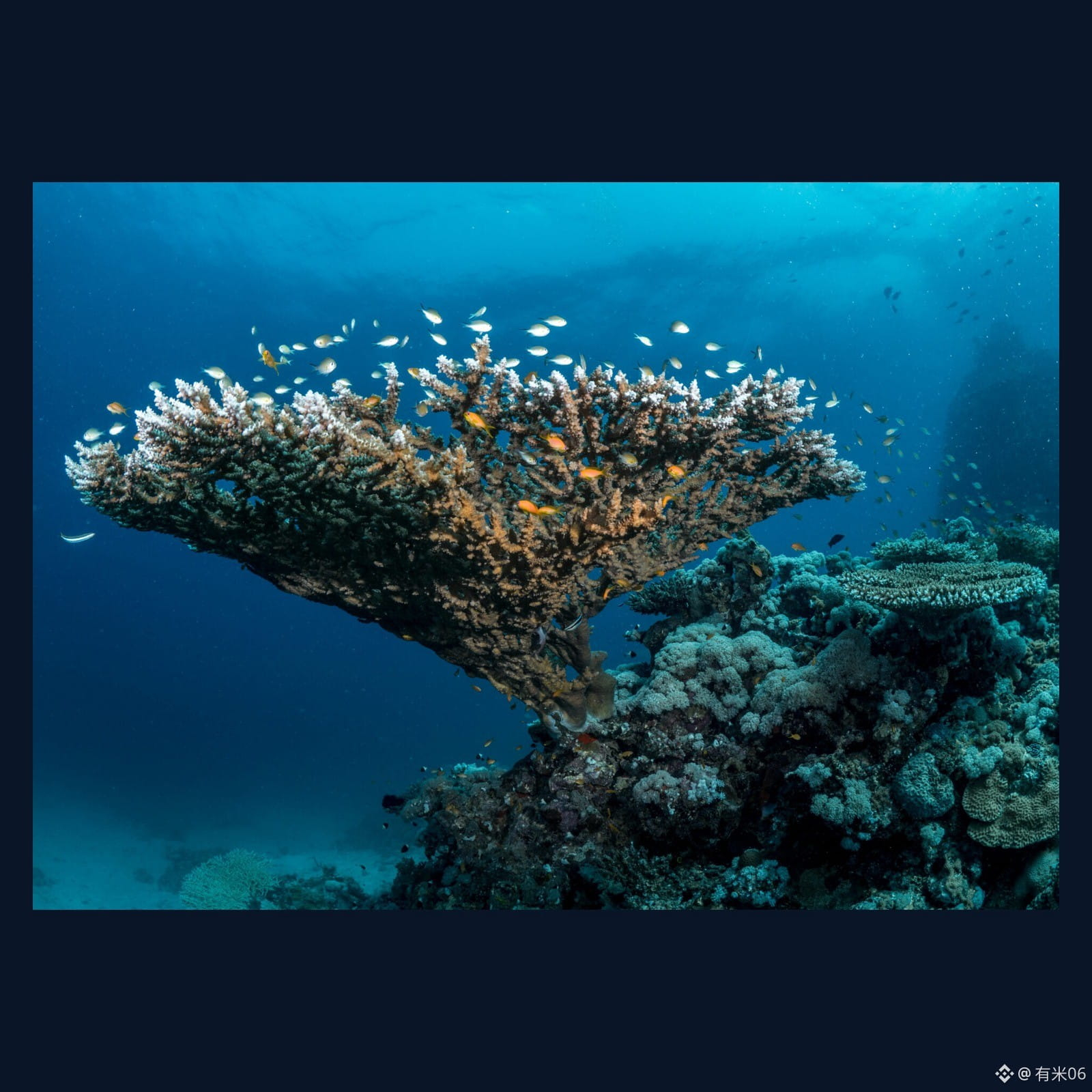
Can corals “get vaccinated” too? Sounds far-fetched, but in the Red Sea, the reef-building coral Pocillopora favosa is common—and researchers from the KAUST team have actually used it for an experiment similar to “preheating.”
They first exposed coral fragments to live or inactivated disease-causing bacteria, Vibrio coralliilyticus, and then added heat waves and a secondary infection. The results were striking: the preheated corals showed less bleaching. Their gene expression and microbiome also differed from those of non-preheated corals—like they had retained some kind of immune “memory,” even though they don’t have an adaptive immune system like humans.
The authors also made it clear: this is proof of concept, not a treatment that would involve throwing live pathogens into the ocean. The route using inactivated cells is safer, and that’s the direction for possible future entry points. The paper was published in ISME Host Microbe.
#珊瑚 #marine life
They first exposed coral fragments to live or inactivated disease-causing bacteria, Vibrio coralliilyticus, and then added heat waves and a secondary infection. The results were striking: the preheated corals showed less bleaching. Their gene expression and microbiome also differed from those of non-preheated corals—like they had retained some kind of immune “memory,” even though they don’t have an adaptive immune system like humans.
The authors also made it clear: this is proof of concept, not a treatment that would involve throwing live pathogens into the ocean. The route using inactivated cells is safer, and that’s the direction for possible future entry points. The paper was published in ISME Host Microbe.
#珊瑚 #marine life